School waste reduction: path to a zero-waste campus
A school waste reduction program usually fails before the first bin is installed. The failure starts with a weak baseline, an unassigned hauling route, or a promise to recycle materials the local contractor does not accept.
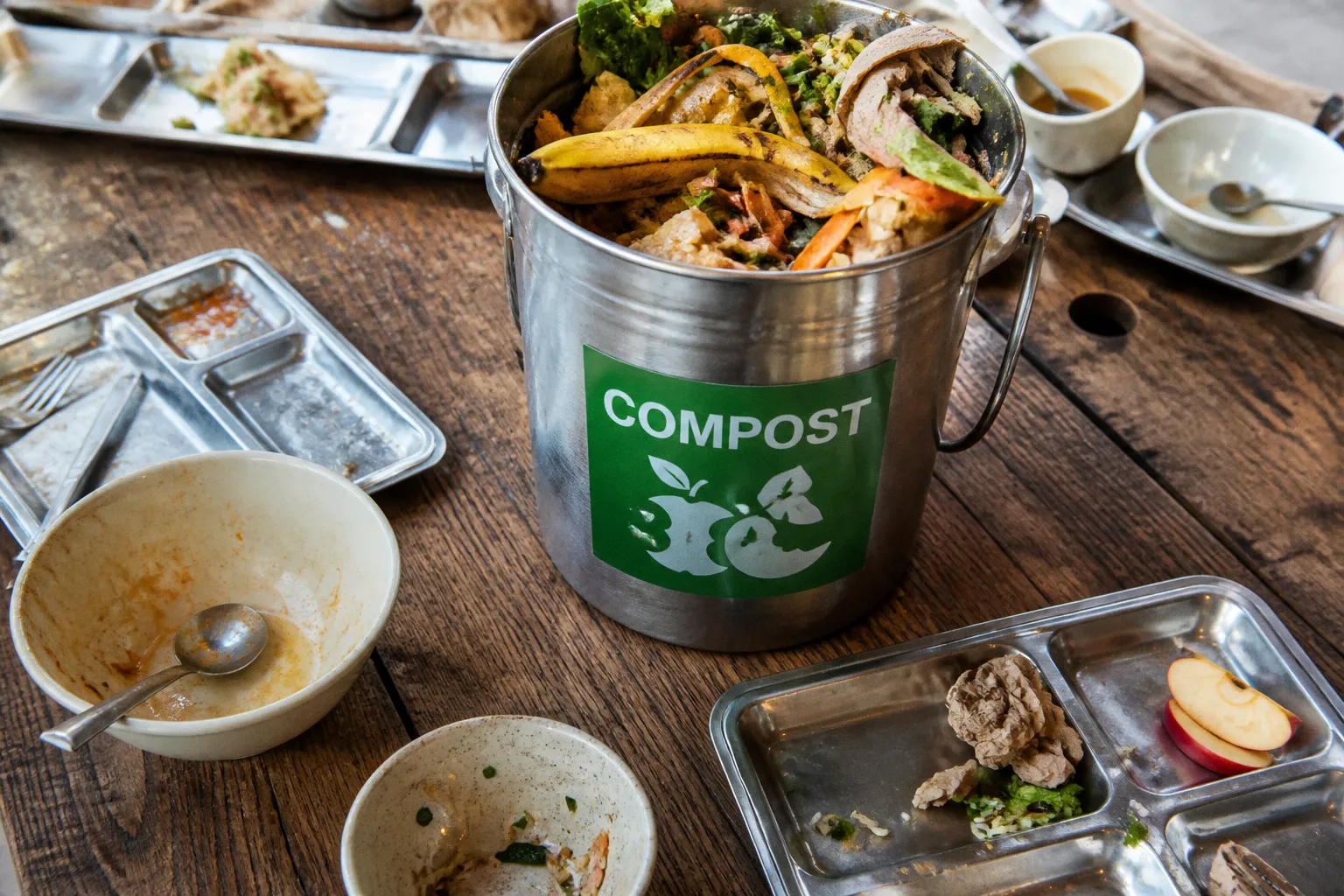
The campus then gets new labels, new containers, and the same mixed waste moving to the same disposal point.
We need to treat the job as an operations build, not a poster campaign. First, measure the waste. Then remove avoidable material. Then build collection routes that staff and students can actually follow. Only after that do we scale the program across classrooms, cafeterias, workshops, and outdoor areas.
A zero-waste campus does not mean producing no waste at all. It means reducing the material entering the system, keeping usable resources in circulation, composting organics where possible, and sending as little as practical to landfill or incineration. The route is built from controlled steps.
Start with the failure point: the waste audit
The waste audit is our baseline. Without it, every later decision is guesswork.
We need to know what leaves the campus, from which locations, at what times, and in what condition. A single full-day inspection is better than starting blind, but it is not enough to expose recurring patterns. Cafeteria waste changes with the menu. Classroom paper waste changes during exam periods. Outdoor waste changes after events and sports fixtures.
The audit should cover at least:
- Classroom bins and paper collection points.
- Cafeteria preparation areas, serving lines, and dining spaces.
- Staff rooms and administrative offices.
- Workshops, laboratories, maintenance stores, and art rooms.
- Outdoor areas, including playgrounds, sports grounds, and event zones.
- Waste held temporarily before collection by the contractor or municipal service.
We sort the material by type. Not by what the label says. By what is physically in the bag.
A practical sorting record separates:
1. Food scraps and other compostable organics.
2. Clean paper and cardboard.
3. Bottles, cans, and other accepted containers.
4. Reusable items that are being discarded.
5. Contaminated packaging.
6. Sanitary waste and other materials requiring a separate route.
7. Electronic waste, batteries, lamps, chemicals, and maintenance materials.
8. Unknown or potentially hazardous items.
We record the weight or volume for each stream, the location, and the collection frequency. If scales are unavailable, use container counts and consistent volume estimates. The method must stay the same from one audit to the next. A rough baseline collected consistently is more useful than a perfect measurement performed once.
The school cafeteria waste audit checklist should also record where the material enters the stream. A tray with untouched food is not the same problem as peelings from food preparation. The first points to portioning, menu design, or serving practice. The second is a straightforward organics collection issue. A bin full of clean cardboard near deliveries has a different fix from a bin full of wet cardboard beside the dishwashing area.
If we do not know which gate the waste leaves through, we cannot close it.
Build the route map from the audit
Once the material is sorted, we map the movement.
Waste normally passes through several hands:
- The person who discards it.
- The staff member who empties the room or station.
- The person who moves the material to a storage point.
- The contractor or municipal crew that removes it.
- The facility that sorts, composts, recovers, or disposes of it.
A school waste reduction program steps sequence should follow that route. If the classroom has a paper bin but the cleaning team dumps it into the general waste cart, the system is not recycling. It is decoration.
The audit should answer five operational questions:
- Who empties each container?
- Where does each stream go next?
- Which materials does the receiving contractor accept?
- How often is each stream collected?
- What happens when a container is contaminated?
The last question matters. A contaminated load may be rejected or downgraded. That can erase the value of an otherwise sound collection system.
Use the 5 Rs in the correct order
The five Rs—refuse, reduce, reuse, rot, and recycle—are not five equal bins. They are a priority order.
Recycling sits near the end because it requires transport, sorting, processing, and a buyer or receiving facility. Refusing a disposable item removes the handling work entirely. Reusing an existing item does the same without manufacturing a replacement.
1. Refuse
Start with items the school does not need to purchase or distribute.
This can include unnecessary disposable cups, duplicate printed handouts, promotional packaging, single-use service items, and supplies that arrive with excess wrapping. The exact targets come from the audit. We do not ban materials because they look bad. We remove materials that create a repeated waste stream without serving a necessary function.
Procurement rules should be direct:
- Do not buy a disposable version when a durable version already exists.
- Reject unnecessary packaging where the supplier offers a lower-waste option.
- Set default digital distribution for documents when access and safeguarding requirements allow it.
- Consolidate deliveries instead of ordering small quantities repeatedly.
- Require suppliers to identify take-back or return options for packaging and equipment.
2. Reduce
Reduction means lowering the quantity of material used before it becomes waste.
A classroom waste reduction plan may include double-sided printing, shared specialist equipment, refillable supplies, and controlled stationery distribution. It may also mean changing the way worksheets are produced. A short document printed for one lesson should not become a permanent paper stream by default.
In cafeterias, reduction can involve tighter production planning and smaller first portions with controlled second servings. Food that is never prepared is easier to manage than food scraped from trays. We should separate preparation waste from plate waste because the interventions are different.
College campuses in the United States generate an estimated 22 million pounds of food waste each year. That figure is not a universal measure for every school system, but it shows the scale of the cafeteria problem. Organics can dominate the waste stream. They also create odor, pest, and contamination issues when mixed with dry recyclables.
3. Reuse
Reuse needs a storage point and a responsible owner. Otherwise, it becomes a pile of abandoned material.
Schools can create controlled reuse systems for furniture, folders, uniforms, art supplies, books, sports equipment, and event materials. The system needs condition categories. A reusable item should be clean, safe, and available for a defined use. Damaged items should not be pushed into circulation simply to improve diversion figures.
For events, reusable serviceware requires a wash route, drying area, inventory count, and return check. If the event team cannot haul and wash the items, disposable materials may still enter the system. That is not a reason to abandon reuse. It is a reason to price the labor and build the route before making the change.
4. Rot
“Rot” means managed composting or another approved treatment route for organic material. It does not mean placing food in a pile behind the kitchen and hoping the problem resolves itself.
The route must define:
- What organic material is accepted.
- Which liners and containers are allowed.
- Where collection takes place.
- How often the bins are emptied.
- Who washes or maintains the equipment.
- Which facility or composting method receives the material.
- How contamination is removed.
Food scraps, yard material, and compostable serviceware are not automatically one stream. A facility may accept food waste but reject certified compostable packaging. The receiving operator sets the specification. We build backward from that specification.
5. Recycle
Recycling works when the material is clean, separated, and accepted by a real processor. Labels alone do not create a market.
Paper and aluminum are useful targets because recycling them reduces the energy demand associated with producing new material. Recycling paper saves 60% of the energy needed to manufacture paper from virgin trees. Recycling aluminum uses 95% less energy than producing aluminum from bauxite. Those figures support the case for recovery, but they do not remove the need for correct sorting.
A recycling station should not accept every material the school wishes were recyclable. The list must match the local service. If the contractor takes cardboard, aluminum cans, and selected plastic containers, the station should name those materials and exclude the rest. Broad labels such as “all plastics” create contamination.
Secure leadership before moving equipment
A zero waste school campus guide that skips leadership support will stall at the first budget decision.
Leadership does not need to run the daily collection route. It does need to authorize purchasing changes, assign staff time, approve storage space, and require departments to follow the same system. Without that authority, one motivated teacher carries the program until their timetable changes.
The operating decision should identify:
- One senior sponsor with authority to remove barriers.
- One day-to-day coordinator.
- A facilities or maintenance lead.
- A cafeteria representative.
- A teaching staff representative.
- Student representatives with a defined task.
- The waste contractor or municipal service contact.
- A person responsible for recording results.
Student-led recycling initiatives can improve sorting behavior and visibility, but students should not be used as substitute maintenance staff. They can inspect signage, report contamination, run classroom briefings, and support measurement. Heavy carts, sharp materials, chemical containers, and unknown waste stay with trained adults.
The implementation plan should be short enough to operate. Set a baseline date, identify the first buildings or waste streams, define the collection method, and establish a review date. Do not launch every intervention at once. That creates too many moving parts to troubleshoot.
A workable sequence is:
1. Audit the campus and confirm the receiving specifications.
2. Remove one or two high-volume avoidable items.
3. Install or reposition collection infrastructure.
4. Train staff who move the material.
5. Train students and teachers at the point of disposal.
6. Measure contamination and recovered material.
7. Correct the route before expanding it.
8. Publish the result in operational terms.
The result should show what changed: kilograms or pounds diverted, bags removed, collection frequency changed, or hauling costs affected. A slogan is not a measurement.
Put the bins where the waste is made
Container placement is a route decision.
If the only recycling point is outside the main building, most users will default to the nearest general waste bin. If every classroom has five containers, cleaning staff may merge the streams to save time. The correct arrangement depends on the waste audit and the movement pattern.
In classrooms, paper collection often needs to sit beside the printer, teacher workstation, or student materials area. A recycling bin placed across the room will collect less paper and more unrelated material. In cafeterias, the disposal station should be positioned where trays are returned, with clear separation between food, liquids, and packaging if the facility can process those streams.
Back-of-house collection must be designed with equal care. The kitchen may need separate containers for food preparation scraps, plate waste, cardboard, used cooking oil, and general refuse. Wet cardboard does not belong in the same route as clean dry cardboard. If it is already saturated, recovery value may be gone.
Container design should reduce decisions
Users should not need to understand the entire waste industry at the point of disposal. They need a limited number of clear decisions.
Use:
- Labels naming accepted materials, not vague categories.
- Pictures of actual items found on that campus.
- Openings shaped for the intended stream where practical.
- Similar color coding across classrooms, cafeterias, offices, and outdoor areas.
- A general waste container beside recovery containers, so the system does not force contamination.
- Separate liquid-drain points where beverage waste is common.
- Liners compatible with the receiving facility.
Signage cannot repair a bad collection layout. If a student must walk past three doors to reach the correct container, the route is wrong. If the cleaning team must lift multiple loose bags through a crowded corridor, the route is unsafe and will be bypassed.
Account for hauling and storage
The temporary storage area needs capacity for the actual collection interval. It needs a hard, washable surface where required, protection from rain, pest control, and access for the collection vehicle. Cardboard volume can expand quickly even when its weight is low. Food waste requires tighter collection timing than dry paper.
The hauling contract should define the material streams and service expectations. We need to know whether the contractor charges by pickup, container, weight, or volume. We also need to know what happens to rejected loads. Local contracts and municipal fees vary, so one school’s savings cannot be transferred directly to another.
One Cool Earth reported an average landfill diversion rate of 58% in its California school zero-waste program during the 2016–2017 school year, with individual schools saving up to $3,000 annually in hauling costs. That is a useful operating benchmark, not a guarantee. The number depends on the starting waste profile, local disposal charges, collection contract, and quality of the recovered material.
A bin is infrastructure only when someone can empty it, move it, and deliver the contents to an approved destination.
Train the people who move the material
Most contamination problems are created at the point of disposal but locked in at the transfer point.
Cleaning staff and kitchen workers need the clearest training because they handle the material after the user has made the first decision. They need to know which streams remain separate, what to do with an overloaded container, and how to report a recurring problem. If the system requires them to guess, they will consolidate.
Training should include a physical walk-through:
- Show the containers in their working locations.
- Demonstrate the bag and cart route.
- Identify the temporary storage area.
- Show rejected items and contamination examples.
- Explain what to do with broken glass, batteries, liquids, and unknown materials.
- Set the contact for route failures.
Teachers need enough information to reinforce sorting without turning every lesson into a waste lecture. Students need short instructions at the container, repeated during the first weeks, with corrections based on actual contamination.
The program should inspect loads without blaming individuals. We are looking for failure points. If every cafeteria recycling bin contains half-full drinks, the problem may be the lack of a liquid-drain station. If paper bins contain food packaging, the problem may be that the classroom has no general waste container nearby. Fix the route before issuing another poster.
Measure diversion, cost, and contamination together
A diversion rate on its own can hide poor performance. A school might divert more material while increasing labor, transport, or contamination. We need three operational measures:
- How much material is kept out of disposal.
- How much the system costs to operate.
- How much of each recovered stream is rejected or contaminated.
Record the baseline and then compare like with like. A festival week should not be compared with an ordinary teaching week. A cafeteria menu change can shift the organic fraction. Seasonal grounds work can distort outdoor waste volumes.
A simple monthly record can include:
| Measure | What it tells us | What to do with the result |
|---|---|---|
| General waste weight or container volume | Whether disposal demand is falling | Check reduction and reuse measures |
| Food waste volume | Whether cafeteria controls are working | Separate preparation waste from plate waste |
| Clean paper and cardboard | Whether dry recovery is reaching the correct stream | Inspect collection points and storage |
| Contamination in recovery bins | Whether users and staff can sort correctly | Change labels, placement, or training |
| Collection frequency and charges | Whether the hauling route matches the material flow | Adjust pickup timing or container size |
| Reusable item recovery | Whether reuse has an owner and storage route | Remove damaged stock and assign inventory control |
Savings should be calculated from actual invoices and service changes. If the school reduces general waste but must add a separate organics pickup, the net result may differ from the gross disposal reduction. The point is not to force every stream into a financial claim. The point is to see the whole route.
Do not ignore legacy hazards
Older school buildings can contain materials that do not belong in ordinary recycling or renovation waste.
Polychlorinated biphenyls, or PCBs, were banned in the United States in 1979 but may still be present in older building materials. Their handling requires specialized assessment and disposal procedures. We do not place suspect materials in a campus recycling stream because they appear to be part of a renovation load.
The same rule applies to:
- Fluorescent lamps and other mercury-containing equipment.
- Batteries and power-storage units.
- Electronic equipment.
- Paints, solvents, and laboratory chemicals.
- Pressurized containers.
- Broken glass and sharps.
- Asbestos-containing or otherwise suspect building materials.
- Oil, filters, and maintenance residues.
Waste reduction does not override occupational safety. Students do not sort unknown maintenance waste. Volunteers do not open sealed containers to identify contents. We anchor the program to the school’s health and safety procedures, local regulations, and qualified waste contractors.
A zero-waste target becomes a liability when it rewards diversion without controlling exposure. A hazardous material sent to the wrong stream is not a successful recovery. It is a failed handoff.
Expand only after the first route holds
The first phase should be narrow enough to inspect. Start with the highest-volume, lowest-complexity stream—often paper, cardboard, or clearly defined food scraps—then correct the route before adding more categories.
Expansion is ready when:
- Staff can explain the route without referring to a new instruction sheet.
- Containers are emptied on schedule.
- The receiving contractor accepts the material consistently.
- Contamination has a known cause and a correction.
- Storage capacity matches the collection interval.
- The school has recorded more than one comparable measurement period.
- The person responsible for the program has time and authority to maintain it.
Then move to the next building or stream. Keep the labels and collection logic consistent. A schoolwide program should not require each classroom to invent its own disposal rules.
The five Rs give us the hierarchy. The audit gives us the baseline. Leadership gives the program authority. Infrastructure carries the material. Training keeps the streams apart. Measurement tells us whether the route is holding.
The final safety check is blunt:
- Do not buy bins before identifying the receiving route.
- Do not call a material recyclable until the contractor confirms acceptance.
- Do not mix food waste with dry recovery without a processing plan.
- Do not count contaminated loads as successful diversion.
- Do not make students handle hazardous or unknown material.
- Do not use another school’s savings as your budget forecast.
- Do not expand a broken collection route.
Build the system against the waste that actually leaves the campus. Remove what can be refused, reduce what must be purchased, reuse what is still serviceable, compost the organics with a real receiving route, and recycle only what can be recovered cleanly. That is the path to a zero-waste campus: fewer assumptions, tighter handoffs, and no weak link left uninspected.