Why Systemic Funding Reform Is Essential to Closing the Indigenous Education Gap
According to the National Indigenous Times, the Australian Education Union is calling for systemic funding changes to address the education gap affecting First Nations students.
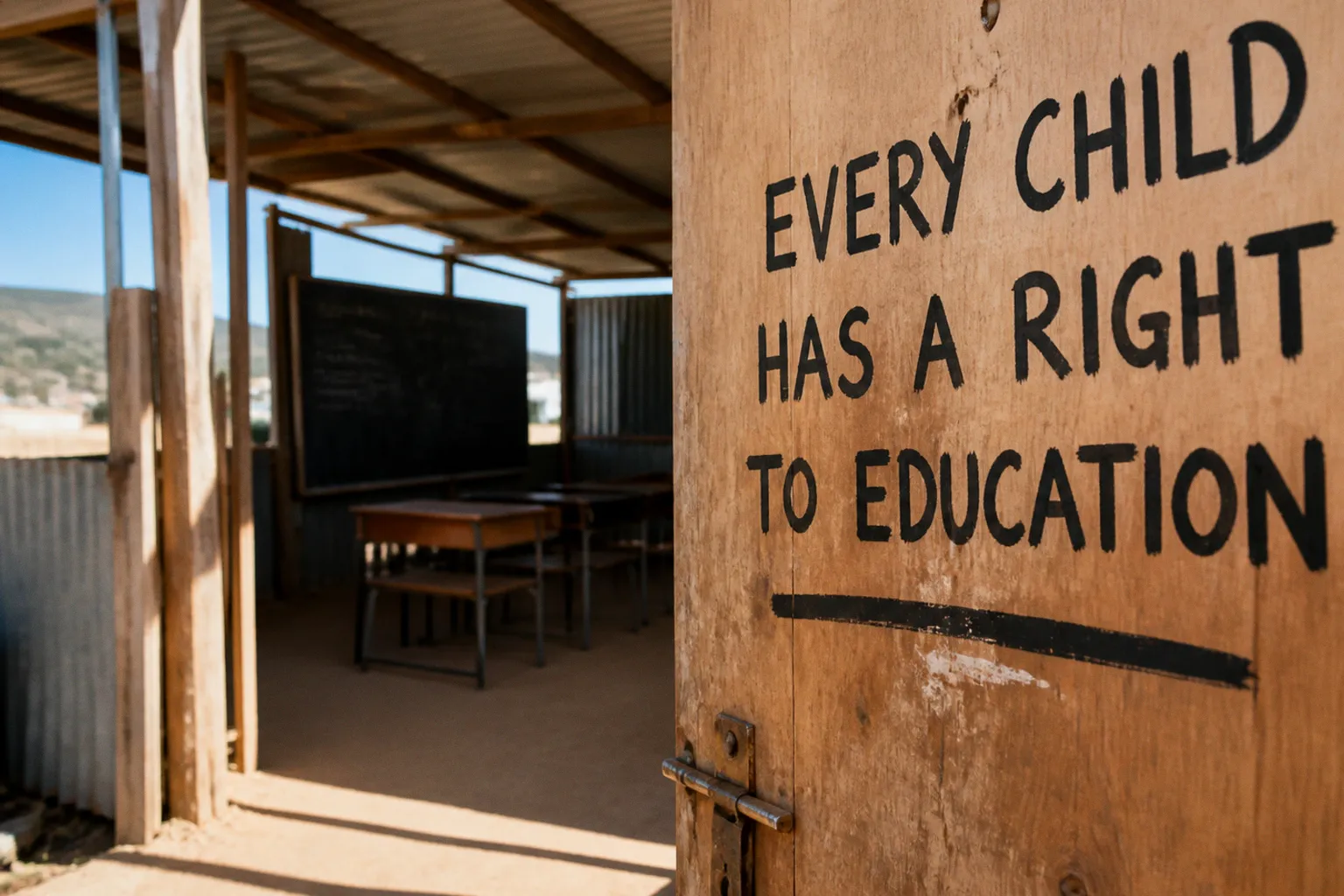
The union says public schools need full funding to support Indigenous learners. For crews working around neglected rural classrooms, the message is practical: a repair project can anchor one building, but it cannot replace a funding system that keeps the wider school network short of capacity.
The failure is larger than one classroom
We know the usual ground-level problem. A school needs work, so volunteers haul materials, patch walls, replace fittings, or make a room usable again. That work matters. It also has a limit.
The Australian Education Union’s position puts the pressure point higher up the route map. The issue is not only whether a particular classroom has a roof, desks, or learning materials. It is whether public schools serving First Nations students receive the funding required to support those learners over time.
That distinction matters when we decide where to send a crew. A one-day fix is easy to photograph and hard to maintain if the school has no reliable funding behind it. Before we load tools, we need to identify what the project can actually change: physical infrastructure, access to materials, or a short-term gap that will return after the crew leaves.
Do not confuse a completed repair with a repaired system.
Three signals, three different routes
The Australian call sits alongside other recent public-school funding signals, but they are not the same event and should not be bolted together as one policy.
Action Network is using Public Schools Week to urge people to ask representatives to support public schools. That is an advocacy push. It does not establish a funding decision or a specific infrastructure commitment.
In India, Odisha Diary reports that Teach For India has partnered with Shikshagraha to strengthen one million public schools. The confirmed information identifies the partnership and its stated scale, but does not provide details on the work plan, delivery schedule, funding structure, or which schools will be reached first. Those missing parts are not minor. They determine whether a volunteer network can coordinate, supply, or verify work on the ground.
Kenya has a separate legislative development. The Star reports that Members of Parliament passed a bill intended to bring informal schools serving vulnerable learners closer to government funding. The bill provides a framework for support covering school infrastructure and learning materials. A framework is not the same as money already delivered to a site, so crews should not plan around the bill alone.
The route, in each case, runs through verification. Policy language, partnership announcements, advocacy campaigns, and delivered materials are different points on the chain.
What builders should check before moving
For riders and school-repair groups, this news is a warning against treating a funding headline as a work order.
First, pin down the school category and public authority involved. The Australian statement concerns public schools and First Nations students. The Kenyan report concerns informal schools serving vulnerable learners. The India item concerns a partnership involving Teach For India and Shikshagraha. These are different operating conditions.
Next, separate the confirmed scope from the missing scope. We have a call for full funding in Australia, a Public Schools Week advocacy message, a reported India partnership, and a Kenyan bill connected to infrastructure and learning materials. We do not have confirmed project lists, delivery dates, budgets, material specifications, or local contact procedures in the available evidence.
Then anchor the build to a named need. If the requirement is infrastructure, record the structure, materials, and handover responsibility. If the requirement is learning materials, verify who receives them and how distribution will be tracked. If the issue is recurring operating funding, do not present a volunteer repair as the complete answer.
The hard rule is simple: haul what the school can use, document what was changed, and leave a route for the next inspection. Systemic funding calls may move the policy machinery. Until that machinery reaches the classroom, we still have to check the floor, the roof, the supply chain, and the person responsible for keeping the repair in service.