Bridging the Education Gap: Lessons from Global Social Welfare Models
UNICEF Philippines wrapped its 2025 cycle, and the numbers aren't just press-release filler.
Learning and Skills: What We Can Haul from Three Continents
Three separate dispatches landed this week, all pointing at the same cracked foundation: kids can't learn if the system behind the classroom isn't bolted down tight. Here's what's actionable for us.
UNICEF Philippines: A Funding Model Worth Torquing On
The agency backed the passage of the Early Childhood Care and Development System Act, which pushed funding across 47,000 public schools. They ran 2,900 Alternative Learning System learners through Life Skills micro-certificate tracks, supported another 4,700 youth via the LEAP programme, and overhauled learning environments for more than 58,000 children and young people in the Bangsamoro Autonomous Region in Muslim Mindanao.
What matters for us on the ground in India: the Alternative Learning System model — compressed certification paths that meet out-of-school kids where they already are. We've seen the same dropout pattern in rural Rajasthan and Bihar. Micro-certificates aren't a silver bullet, but they're a load-bearing wall we haven't built here yet. Worth studying how they structured the intake and kept learners from falling off after week three.
Bangladesh: A Funding Target That Actually Has Teeth
Bangladesh's Prime Minister marked International Literacy Day 2026 by committing to push education spending toward 5 percent of GDP. The focus areas: universal pre-primary schooling, mother-tongue education, and inclusion of marginalized communities. According to the BSS News report, the emphasis is shifting toward skills-based and ethical learning rather than rote credentialism.
We don't have 5 percent of GDP to work with. We have volunteer weekends, donated brick, and whatever a convoy of Royal Enfields can haul down a state highway. But the mother-tongue piece is critical. We've run into it on every rebuild — classrooms stocked with English-medium textbooks and zero Marathi or Hindi readers for the kids actually sitting in them. The policy signal from Dhaka confirms the direction: local language infrastructure isn't a soft goal, it's a structural requirement.
Designing with the Kids, Not Just for Them
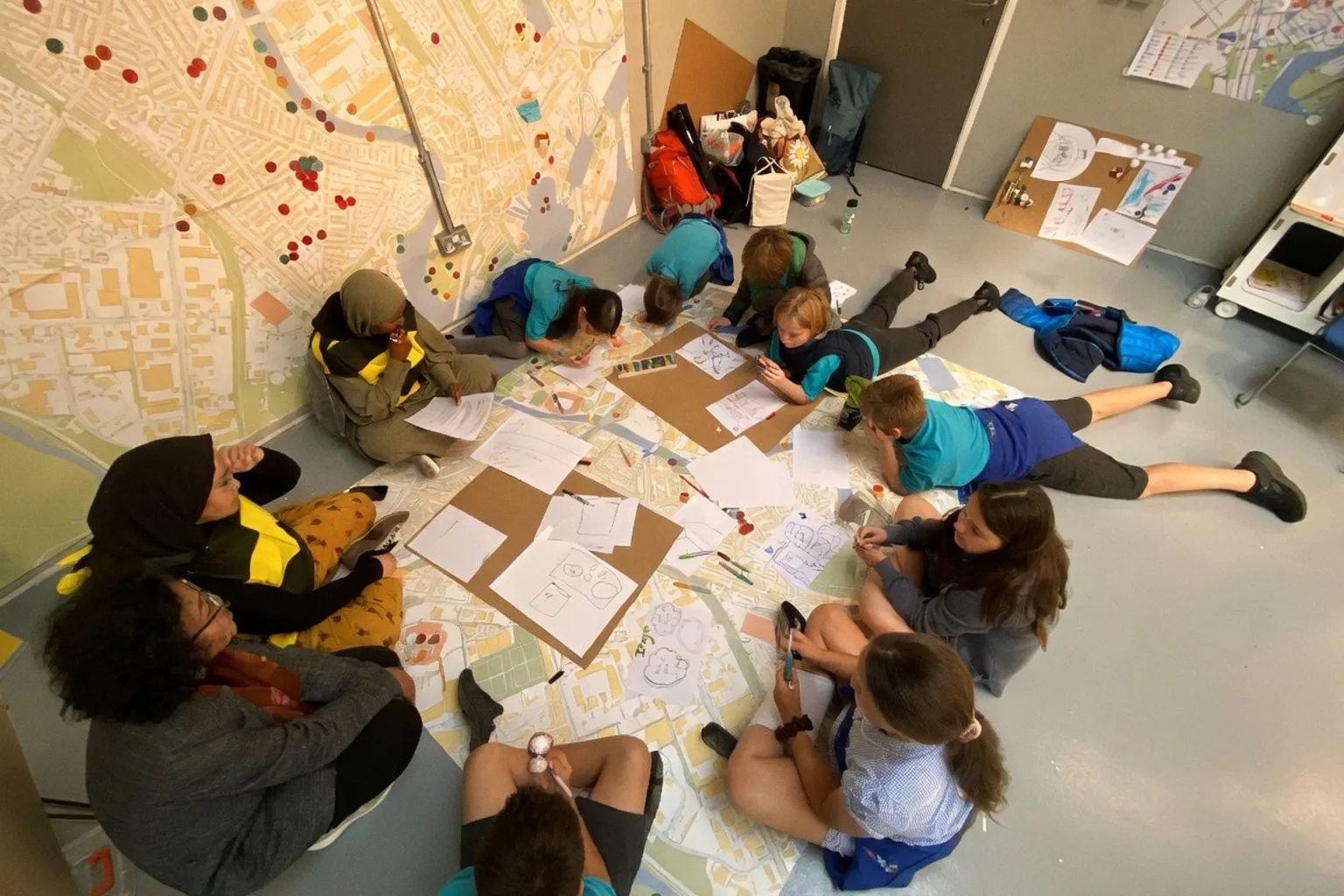
Dr. Matluba Khan from Cardiff University's School of Geography and Planning presented at the University of Colorado Boulder in May 2026 on participatory design processes — getting children and youth to co-design their own school grounds and neighborhood spaces. Her work spans the Global North and South, and she's collected international toolkits on making these processes actually function rather than just look good in a report.
This one hit us straight between the eyes. We rebuild a school, we pick the layout, we choose the materials, we ride out. The kids inherit it. Khan's approach says: bring them into the design stage. Site surveys, material selection, spatial planning — with students at the table. It costs more time. It demands more patience. But the projects that stick are the ones where the community has skin in the build, not just gratitude at the handover.
What to Check Before the Next Convoy Rolls
Bangladesh's 5-percent GDP commitment and UNICEF's legislative push both point toward pre-primary and early childhood as the pressure point. If your NGO partners are focused only on primary and secondary rebuilds, you're leaving the intake pipeline dry. Ask: does this village have a functional early childhood space, or is the first classroom a Grade 1 room with a leaky roof?
Dr. Khan's participatory model is available through academic reports and toolkits she distributes directly. If your crew has a rebuild scheduled, budget an extra planning day for community and student input. It's cheaper than redoing a floor plan six months later.
Watch the African investment piece from Education News — the headline alone flags the core problem we share across every rural district: hard-to-reach communities get the least teaching support, which means the schools we rebuild sit half-empty if the staffing pipeline doesn't follow. Build the classroom. But track whether anyone's coming to teach in it.