Montana Settlement Establishes New Accountability Standards for Indigenous Education
According to The Washington Post, students, families, and tribal nations reached a preliminary settlement with the state's Office of Public Instruction over the long-standing failure to deliver on…
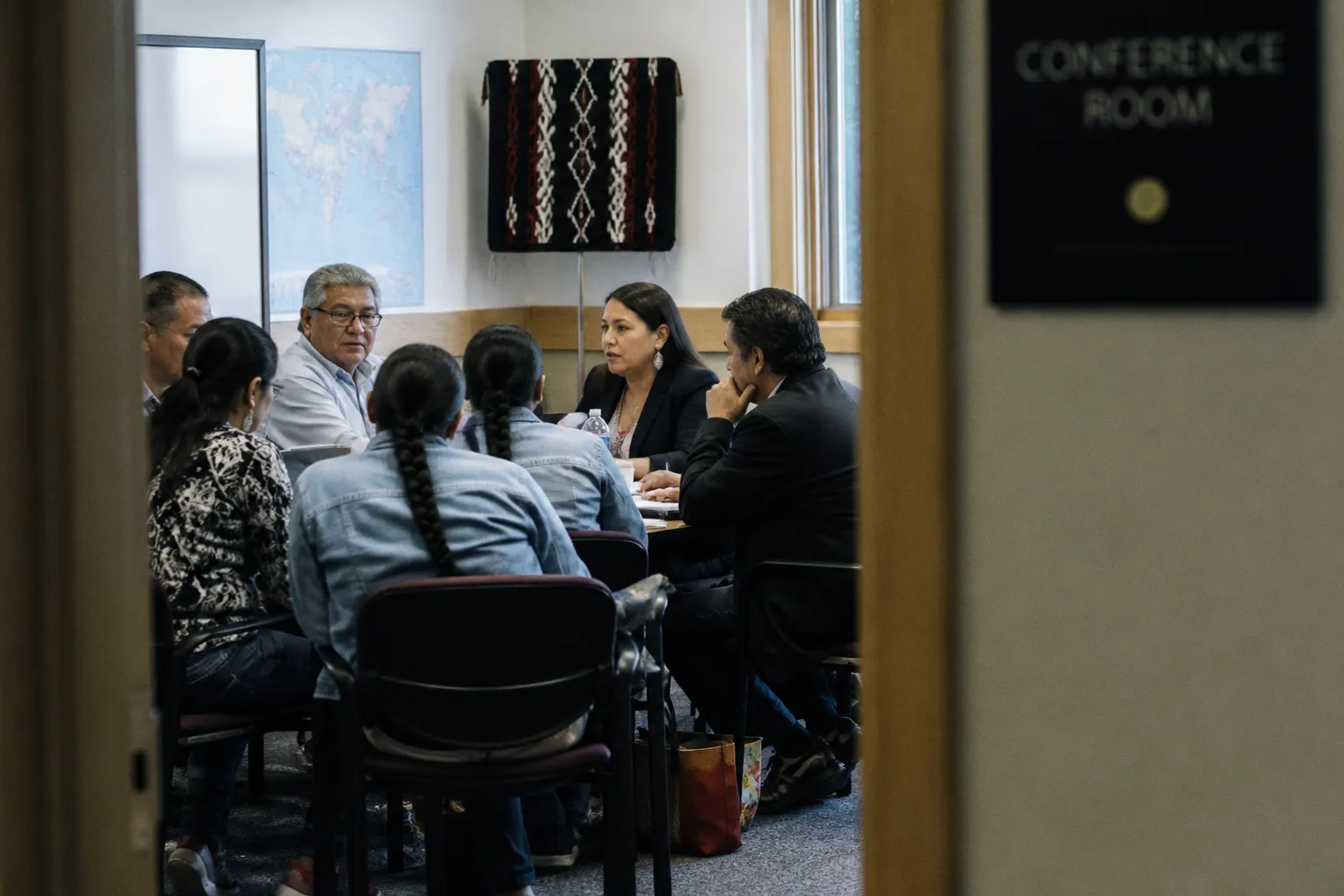
Montana agrees to accountability for Indigenous education
Here's the failure pattern we've watched repeat across the map: states enshrine Indigenous education in their constitutions, then starve the funding line, strip the reporting requirement, and let implementation rot. Montana just started bolting the machine back together. According to The Washington Post, students, families, and tribal nations reached a preliminary settlement with the state's Office of Public Instruction over the long-standing failure to deliver on the constitutional mandate for Indigenous education.
The agreement is preliminary. The mechanism behind it is not soft.
What the Settlement Actually Requires
The framework reads like a maintenance checklist for a system that's been running without inspection:
- Tribal consultation moves from advisory to mandatory. Tribes get a real seat at the design table, not a comment window after decisions ship.
- School reporting becomes required, not voluntary. Districts document what they teach, to whom, and with what resources.
- Annual spending evaluations land on the books. Money flows get tracked, audited, and published.
- Noncompliance triggers consequences. That last point is the lever that actually moves institutional behavior.
For volunteer crews and grassroots NGOs routing time and material into rural education, the enforcement clause is the load-bearing wall. Without it, accountability documents collect dust under the front office desk.
Why This Matters Beyond Helena
Every state with constitutional Indigenous education language is watching this file. Settlements set precedent. They tell tribal nations, advocacy groups, and education nonprofits what legal pressure can extract from reluctant bureaucracies.
If you're mapping resources into rural school rebuilds, this case changes your field chart. You now have a working example of:
- Who to engage in tribal consultation when designing programs that land on sovereign territory.
- What reporting standards to push for in your own districts so donated materials and funds don't vanish into admin overhead.
- How spending evaluations can catch misuse of money routed through state channels.
- What "consequences" looks like as a clause worth fighting for in any education access agreement.
That's logistics, not theory.
What We Track From the Road
Preliminary is not finished. The agreement still has to hold under review and survive the first real test of noncompliance. From the saddle, we watch four checkpoints:
- Timeline from preliminary to finalized, binding terms.
- First published report under the new framework that we can read from outside the system.
- First enforcement action when a district misses the mark.
- Whether tribal consultation produces curriculum changes, or just thicker meeting minutes.
Until all four clear, this is a promise with paperwork attached. Promises are where we start. They are not where we park the bike.