North Carolina Directs $1.25 Million to Expand Rural School-Based Health Clinics
We don't ride for the press release. According to EdNC, North Carolina just routed $1.25 million in federal funding through the state's Rural Health Transformation Program to bolt health clinics onto…
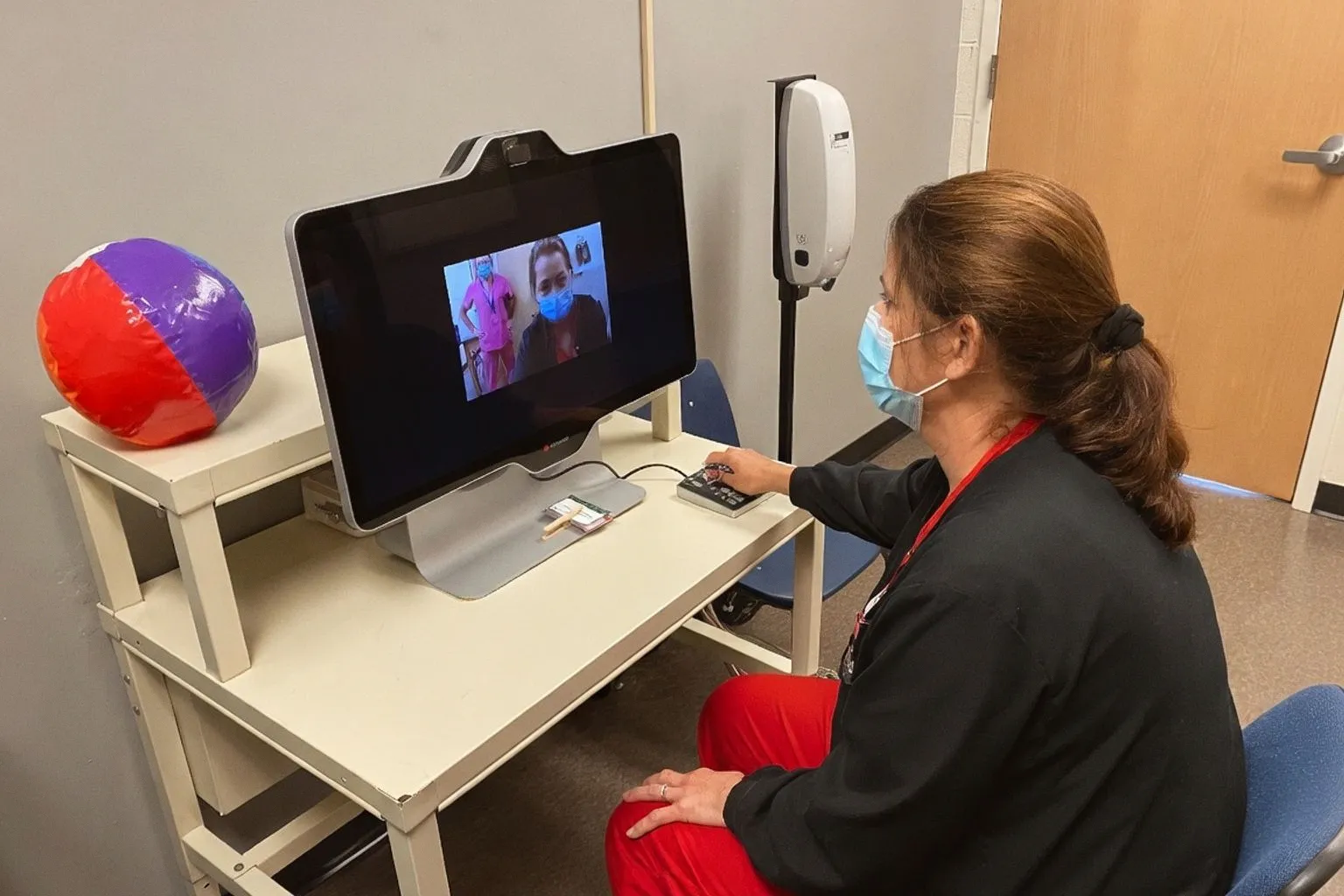
We don't ride for the press release. According to EdNC, North Carolina just routed $1.25 million in federal funding through the state's Rural Health Transformation Program to bolt health clinics onto rural schools — and when a state apparatus actually moves capital into a single rural schoolhouse, we read the schematic.
Five organizations take the cut: Appalachian District Health Department, Blue Ridge Community Health Services, First Health of the Carolinas, Mountain Community Health Partnership, and Wilson County Health Department.
The actual logistics
This isn't a grant lottery. Each outfit had to hold an active grant agreement with NCDHHS's Department of Child and Family Well-being, already run a school-based health center, and serve zones where the nearest behavioral or physical health provider is a long haul away. About 30,000 kids already pull healthcare from roughly 90 school-based health centers across the state. That's the operating base the new funding bolts onto.
The $1.25 million splits three ways per the program design: keep current centers running, deploy mobile care out to rural schools, or hire more personnel to answer mental health calls. NCRHTP Director Maggie Woods described the goal as giving kids coordinated preventive care through direct services or referrals — but the operational number is what matters. Roughly 20% of public school students use mental health services when schools actually offer them. That's the utilization rate the program banks on, and the one that decides whether the next round of funding clears the legislature.
Why we note it
We don't run health clinics. We haul cinder blocks, anchor roof trusses, and bypass bureaucratic potholes to rebuild classrooms in rural India. But the procurement pattern is the same puzzle we face every quarter: how do you get a state apparatus to route money into a single rural schoolhouse instead of a district headquarters?
North Carolina answered it with eligibility gates. Prove you already operate. Prove you serve the underserved. Funding unlocks. No free applications, no pilot theater, no glossy innovation deck with no follow-through. Our equivalent route runs through state education departments, district-level approvals, active NGO registration, and documented proof of prior work in the target village. We anchor the same way — keep the paperwork tight, keep the local presence established, and the funding window opens.
There's a second lesson hiding in the press notes. The funding didn't go to a new nonprofit formed last quarter. It went to outfits with active grant agreements already on file. The state wants continuity before it commits capital. For us, the implication is clear — any biker NGO chasing state or CSR money needs a multi-year track record in the same district, not a one-off ride.
What to watch
The program launched with a press release. Press releases announce hard and announce clean. What we track over the next twelve months: whether the five organizations actually deploy the mobile units, whether utilization holds near 20% after year one, and whether any of the centers close when the initial grant cycle ends. If it works, it's a template worth borrowing — eligibility gates, multi-year tracking, mobile backup for the hardest-to-reach schools. If it stalls, it's a warning about programs that announce loud and execute soft.
For our own routes, the checklist is short and unglamorous. Keep the active MOU with the district education officer current. Keep the village relationships warm between builds — show up for the teacher's meeting, not just the ribbon cutting. Keep the proof of work in a folder that's two clicks from any block officer's desk. The funding doesn't come to the hopeful. It comes to the anchored.