Educational Support Grants for Marginalized Urban Youth in India
According to fundsforNGOs, the Access to Education Program is inviting eligible Indian nonprofits to apply for support aimed at children in marginalized urban communities.
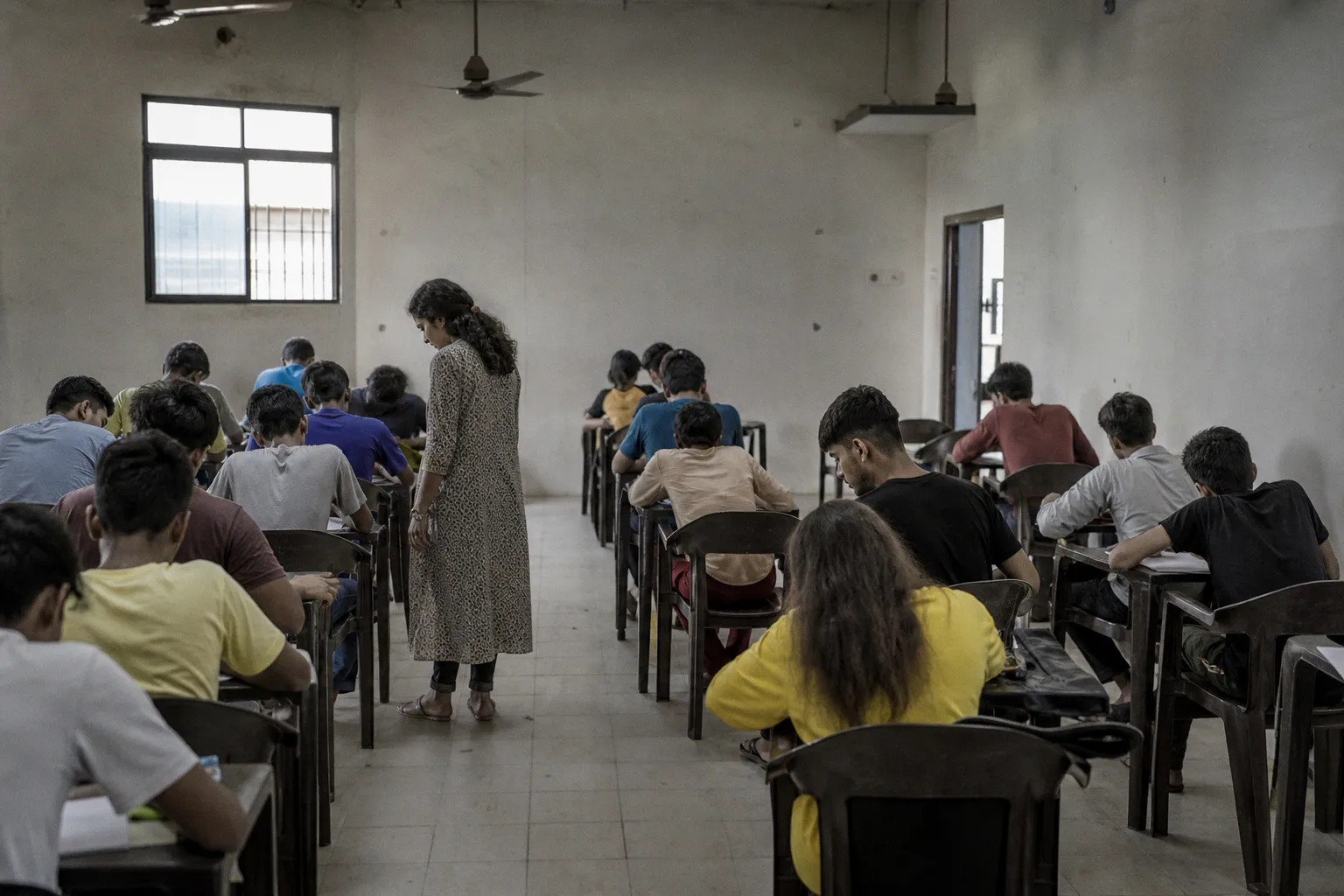
The job is bigger than getting a child through a school gate: the program backs work from enrolment through learning support, documentation, guidance and completion. For crews already hauling supplies or running learning spaces, the first constraint is not intent. It is eligibility, paperwork and operating geography.
The work the program is built to carry
The program describes a life-cycle approach. That means support is not limited to school admission. It can cover foundational literacy and numeracy, community learning spaces, enrolment help, scholarships, socio-emotional support, documentation assistance and career guidance.
That matters on the ground. A repaired classroom does not solve a missing document. A new desk does not bypass a family that cannot navigate government education services. And a child who enrols but loses the learning baseline can still drop out later.
For rider networks and school-rebuild groups, this is a useful line to hold: brickwork, transport and volunteer days need to anchor into a continuing education plan. Map the barrier first. Is it attendance, paperwork, basic learning, family access to services, or the lack of a safe place to study? Do not torque every problem through one activity.
Registration and location are the hard gates
The source says applicants must be registered nonprofit organizations with valid 12A, 80G and CSR registrations, plus at least three years of education experience. Organizations operating near Wipro locations are eligible; work in Sikkim, Assam, Arunachal Pradesh, Manipur, Nagaland, Mizoram, Tripura, Meghalaya and Jammu and Kashmir is also included.
That is the first checklist for any local group considering a route into the program:
- confirm the organization’s registration status;
- pull evidence of education work across the required experience period;
- pin current operations against the eligible locations;
- separate activities that support enrolment from those that keep children learning after enrolment;
- make sure documentation support, family outreach and learning follow-up have owners, not just promises.
A volunteer collective with strong field reach may still need a registered nonprofit to carry the application. Do not leave that coupling until the last mile.
Build for continuity, not a launch photo
The program’s stated aim is long-term educational success for children in marginalized urban communities. Its model combines academic, emotional and social support, with exposure and career guidance later in the route.
That sets a practical standard for proposals. We need to show the handoffs: who identifies an out-of-school child, who helps with documents, where the child studies, how learning gaps are tracked, and what happens when attendance starts to slip. The weak point is usually between those steps.
Keep the plan narrow enough to run. Anchor each service to a local team, a usable space and a repeatable follow-up loop. Registration, geography and evidence of education work come first. Then build the route that keeps a child from falling off it.