Nigeria Integrates Early Childhood Learning into Primary Health Care Services
WHO Africa reports that Nigeria is pushing early childhood development by folding educational and developmental support directly into primary health care services — and the model now shaping national…
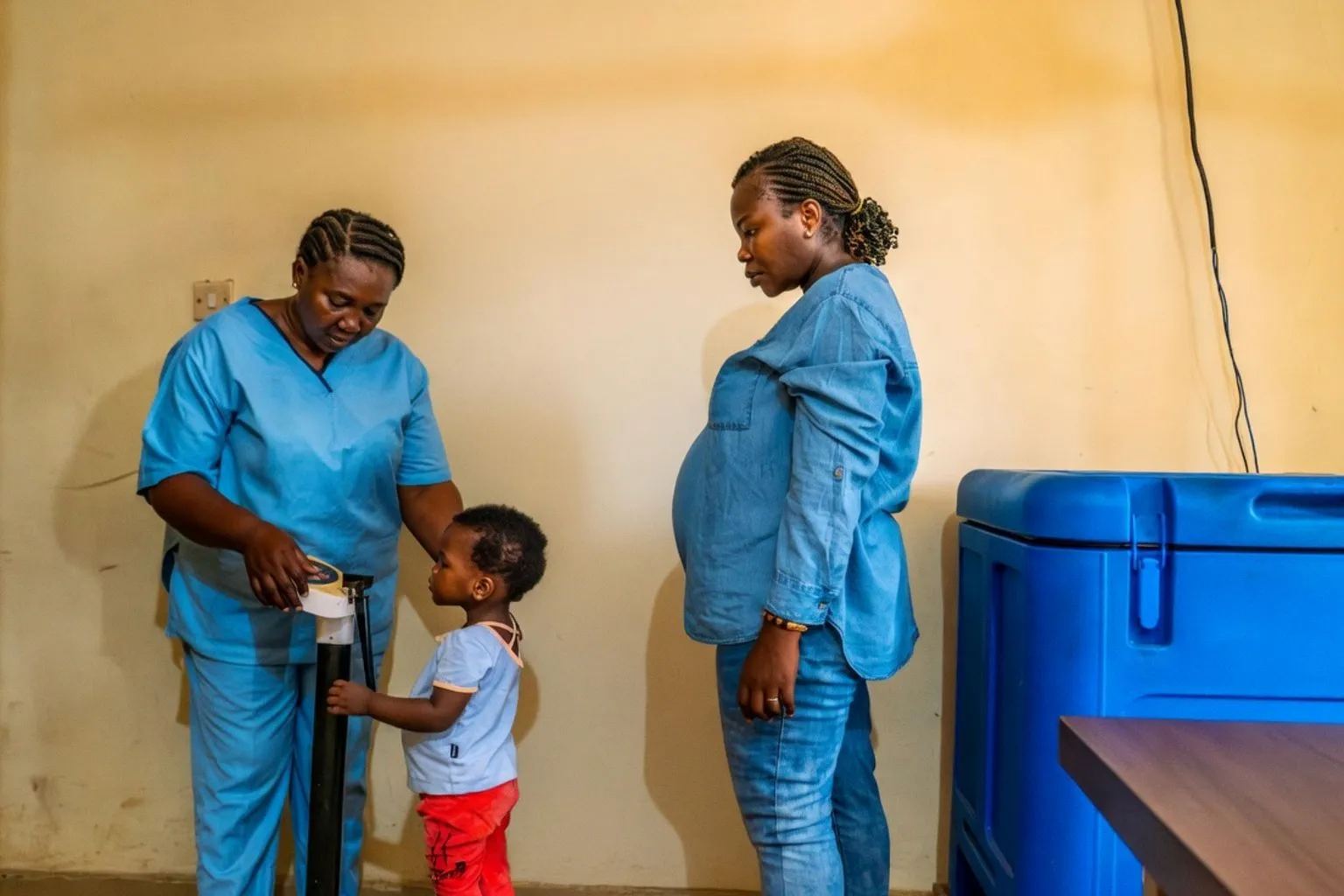
WHO Africa reports that Nigeria is pushing early childhood development by folding educational and developmental support directly into primary health care services — and the model now shaping national rollout draws on what officials have learned in Osun State.
That's the kind of operational pivot we pay attention to. When the delivery mechanism isn't a new building or a fresh NGO, but an existing clinic visit a mother was already making, the friction drops. Less haul time, fewer structures to anchor, more reach for the same torque. Any grassroots school outfit working in remote terrain knows the cost of asking a family to make a second trip they didn't plan for. You lose them.
What's actually changing on the ground
The model treats the primary health center as the front door for early learning. Instead of standing up a separate ECD center and trying to staff, supply, and justify it, the system pulls developmental screening, caregiver guidance, and basic learning support into the routine visits children were already walking in for. Immunization day, growth monitoring, sick visits — each one becomes a touchpoint where a trained worker can flag delays, coach the caregiver, and route the child toward the right follow-up.
Osun State is being cited as the testing ground. The lesson reportedly shaping the national approach is blunt: the families hardest to reach for school enrollment are usually the same families already touching the health system. You meet them there, or you miss them.
Why this matters if you're rebuilding rural schools
We work on trucks, fuel, volunteer days, and the patience of district officers. Anything that cuts down the number of trips a family has to make to access a basic service is a logistics win for our side. A new school block is useless if the foundation beneath it isn't catching kids before they fall behind — and most of our sites are running into exactly that gap.
The Nigerian approach also reframes who carries early outcomes. It's no longer solely the teacher, the principal, or the block education officer. It's the health worker who spots a milestone delay at a routine vaccination visit. For grassroots outfits like ours, that's a hard reminder. The building we just bolted down is one anchor in the chain. The village health nurse, the anganwadi helper, the ASHA — they're part of the load path whether we acknowledge it or not. Ignore them, and the kid never reaches our classroom.
It also puts pressure on how we plan a site. If a ministry is treating health facilities as the primary ECD delivery point, donor money and training pipelines will follow. We should be asking our local partners whether the school rebuilds we fund are being designed to plug into that network — shared water points, shared fencing, shared transport days — or whether we're laying parallel infrastructure that doubles the maintenance load on the village.
What to keep watching
We don't have the full WHO report in hand. The snippet confirms the Osun State origin and the health-care integration angle, but the operational details aren't in the pack: funding lines, number of facilities involved, training duration for health workers, what gets measured as success, what the follow-up rate looks like. Before anyone in our network cites this as a model worth importing, we want to see those numbers on paper.
Until then, treat it as a signal of where ministries are placing weight. And ask the blunt question at your next site visit: is our local partner talking to the health side of the system, or only to the education side? Because if it's only one side, we're hauling half a load.