Bridging the Gap: How Integrated Nutrition and Education Programs Combat Stunting in Benin
Reports from the ground in Benin confirm integrated nutrition and education programs are now active to confront child stunting.
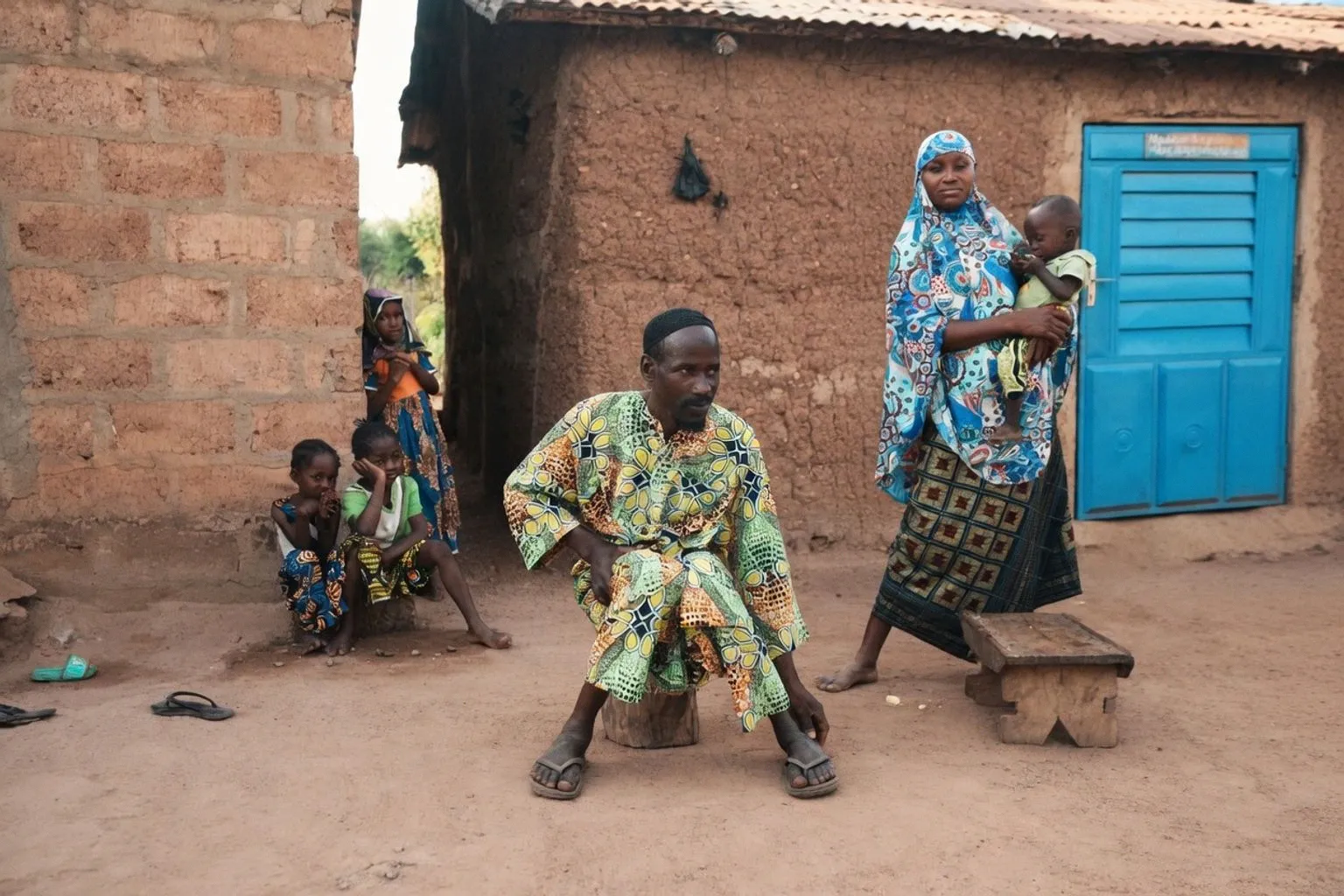
For us in the field, this means the logistical playbook for rebuilding futures is getting a critical update—hauling in food is no longer enough if the classroom pipeline is broken. The goal is to anchor health outcomes directly to educational access, cutting through the usual siloed operations.
The Direct Operational Link
The core of the effort in northern Benin is the direct linkage of nutritional support with educational access. The mission isn’t just to feed a child but to secure their cognitive foundation so they can actually learn. The AP report details how community members, like nutrition support worker Douro Wonkourou Idrissou, are on the ground measuring arm circumferences—a standard triage tool for acute malnutrition. This is boots-on-the-ground diagnostics. The farmer Sabi Bera Zakari’s focus on weight over height highlights a common misalignment in perception that these programs are designed to correct by demonstrating the long-term cost of stunting on development and school readiness.
A Pattern Across Regions: System Strength Lags Need
This isn’t an isolated theater of operations. A UNESCO-supported study in Bangladesh, which surveyed hundreds of students and teachers across all eight divisions, exposes a similar systemic flaw. Students practice healthy habits but their formal health knowledge is assessed as poor. They learn behaviors from parents and campaigns without structured understanding. The workforce is the weak point: only about three in ten teachers surveyed had received training related to health education or student well-being. When health isn’t on the final exam, it gets bypassed in the classroom schedule. The report indicates policies and guidance often fail to reach the people expected to execute them.
The Whole-School Tactic
The takeaway from a UNICEF review reinforces the operational model. Creating safe, effective schools requires a whole-school approach that integrates social welfare, education, and community support. You can’t just bolt on a feeding program. You have to rewire the entire system—teacher prep, facilities, leadership, and community buy-in. For teams on the ground, this means our checklists must now include training audits and facility inspections alongside caloric intake. The mission is to build a resilient infrastructure where a child’s health and their ability to sit in a classroom and learn are treated as a single, non-negotiable asset.
Final Checklist: Verify integration between health workers and school administrators. Audit teacher training logs for health module completion. Inspect water and sanitation facilities as a baseline. Track the return-to-classroom rates of children enrolled in supplementary nutrition programs.