Rotary Club Abuja Gwarinpa Central Targets Barriers to Education for Local Pupils
According to Daily Trust, the Rotary Club of Abuja Gwarinpa Central has started an education-support initiative for indigent pupils in selected public schools in Nigeria’s Federal Capital Territory.
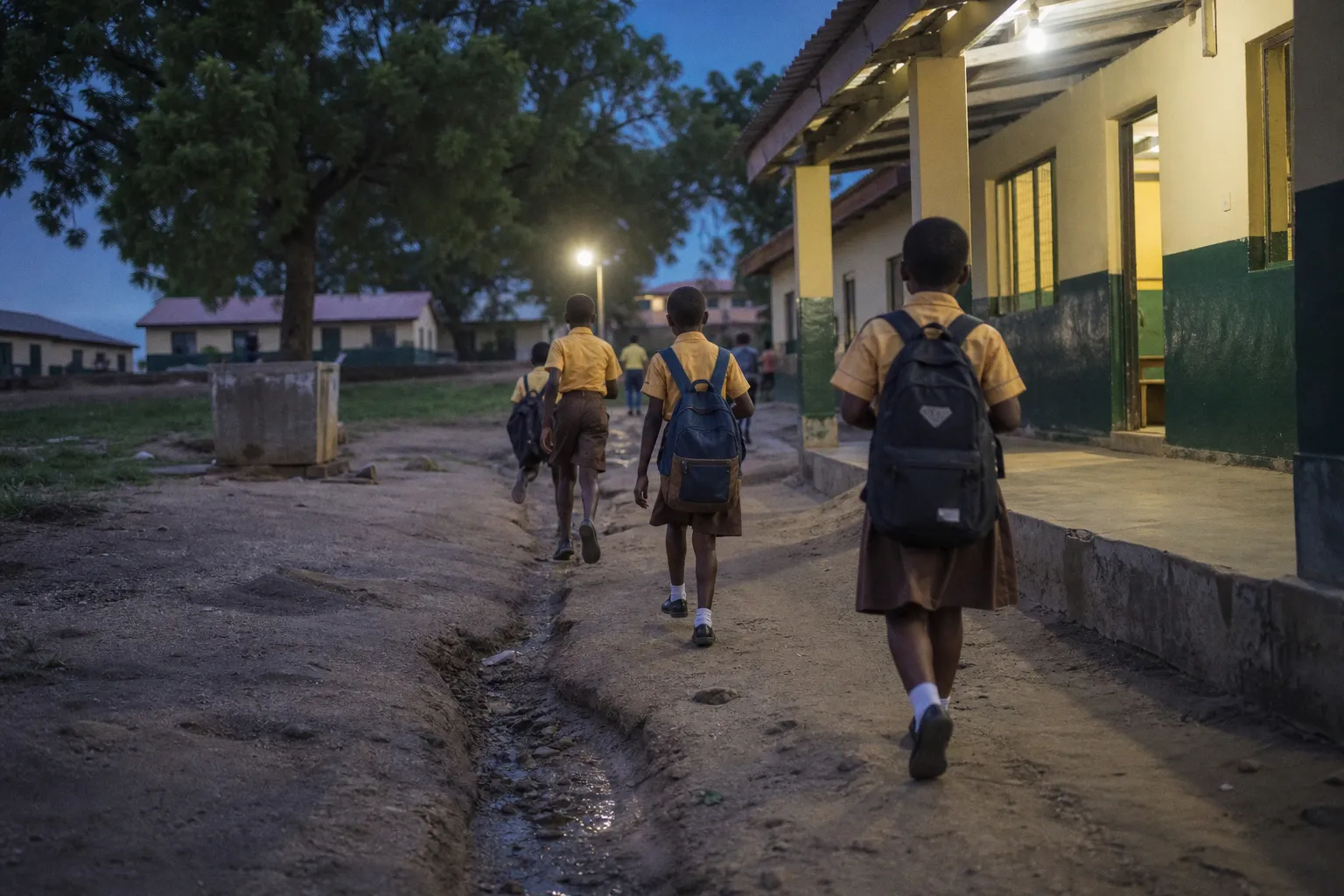
The work is aimed at the hard stops that push children out of class: unpaid fees, missing school bags and classrooms short on desks. For any volunteer crew looking at school projects, this is the right starting point—find the blockage before hauling in supplies.
Fees, bags and desks are the stated load
Club president Ama Umoren said the programme will pay school fees, provide bags and improve learning facilities. The plan followed visits to public schools, where the club identified pupils unable to meet examination fees and other school-related costs despite the country’s free basic education policy.
That gap matters. A “free” school still has friction points: a fee due before an exam, no bag to carry materials, no proper seat in a crowded room. The club reported classrooms with inadequate furniture and children sharing seats.
Benjamin Okoko, chair of the occasion, said his family would sponsor fees for identified pupils and support bags, accessories and classroom desks. The immediate work is not complicated, but it has to be anchored to names, school lists and actual classroom counts. A pile of desks without a receiving school is just cargo.
Build from the school visit, not the donor pitch
The Rotary club says its intervention was shaped by needs found during school visits. That is the useful detail in this report. We do not start by deciding that every campus needs the same package. We walk the route: which pupils face fee barriers, which classrooms lack furniture, and which school staff can receive and track the support.
For rider networks and local education groups, the operating sequence is plain:
- confirm the school and the pupils identified for support;
- separate examination-fee needs from bags, accessories and furniture;
- count seats already in use, including shared seats;
- agree who receives materials and where they will be stored;
- check that the handover does not bypass the school’s own staff.
The club also said it will pursue maternal and child health, youth empowerment and vocational development during its Rotary year. Those are separate workstreams. Keep them separate on the ground too. A school-fee register, a desk delivery and a health activity each need their own route, contact and record.
Watch the handoff, then return
The report identifies the problems but does not set out a delivery timetable, the number of pupils involved or the number of schools selected. Those are the items to track next. Until they are clear, nobody should assume that an announcement has already cleared fees or seated a classroom.
The larger warning is already visible in the school visits: access can fail over small, physical constraints. We can haul bags. We can torque desk frames together. But first verify the need, match the item to the pupil or room, and return after delivery. If the school cannot account for the support, the route is not finished.