Funding Opportunities for Urban Education Initiatives in India
According to fundsforNGOs, the Access to Education Program is now accepting applications from registered Indian nonprofits serving marginalized urban children.
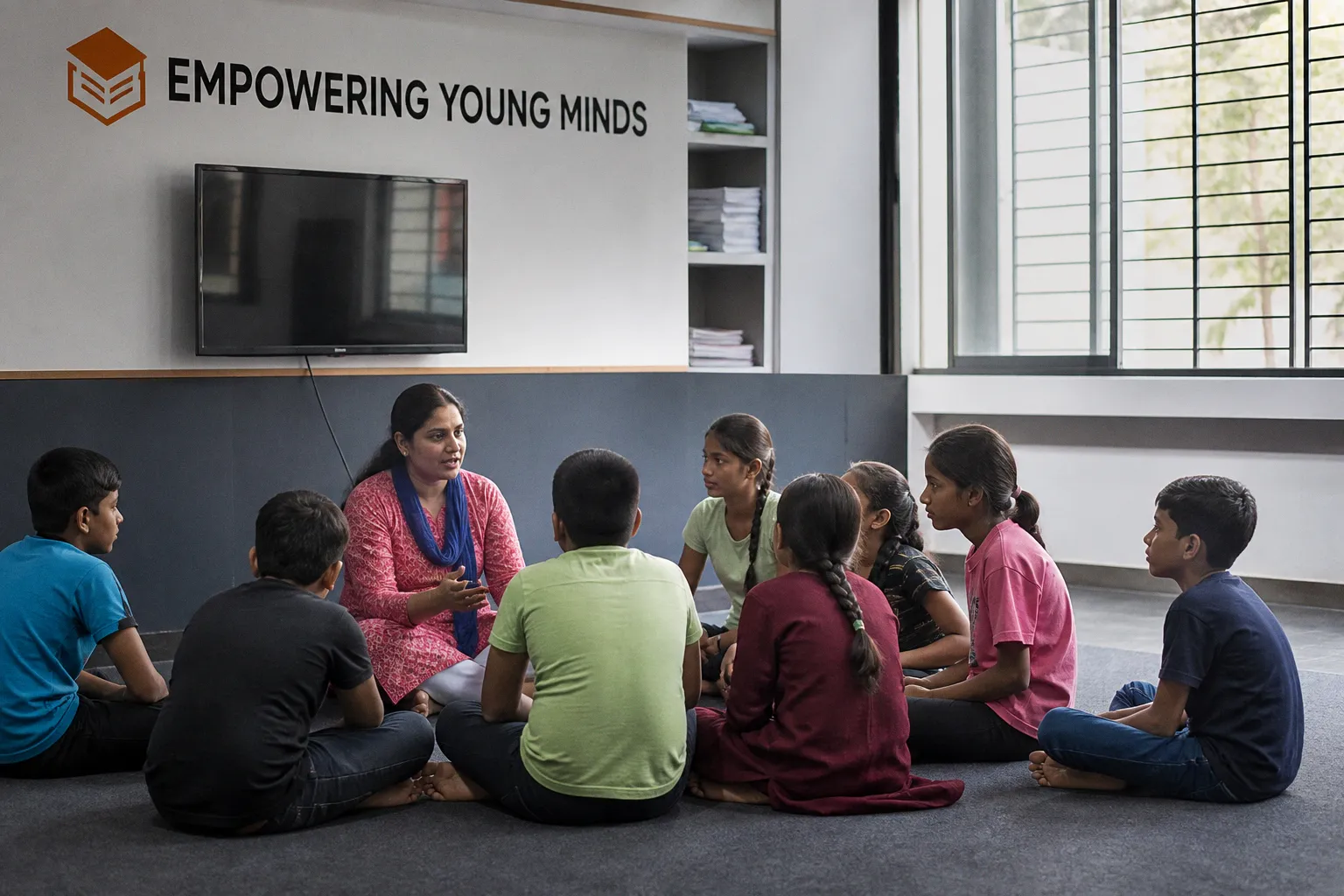
The grant targets school enrolment, foundational literacy, socio-emotional support, and career guidance, built around a life-cycle model that follows a child from admission through completion. For our network of volunteer riders and grassroots builders, this is less a policy notice and more a set of clear route markers—who qualifies, which geographies count, and what paperwork the engine needs before it turns over.
The Eligibility Filter
The program sets a tight pre-trip checklist. Applicants must be registered nonprofits holding valid 12A, 80G, and CSR registrations, with at least three years of documented education-sector experience. Operations must sit near Wipro locations across India, or fall inside the eligible Northeastern states—Sikkim, Assam, Arunachal Pradesh, Manipur, Nagaland, Mizoram, Tripura, Meghalaya—plus Jammu and Kashmir. If your base camp misses the geography test, the rest of the application is dead weight.
The funded scope covers community learning spaces, literacy and numeracy programs, school enrolment assistance, scholarships, socio-emotional support, documentation help, and career guidance. The framework is explicitly combined—academic, emotional, and social support bundled together—not a single-shot enrolment drive.
Why It Matters for the Biker-Builder Crowd
Most of our route runs through rural school rebuilds, but the same volunteer NGOs we partner with often anchor themselves in nearby urban clusters before fanning out. A grant that funds continuous support through a child's full school journey pairs cleanly with the bricks-and-mortar work we haul into villages. The funding lines for socio-emotional development and career guidance in particular close a gap that physical reconstruction cannot reach.
The program also names the friction points we already know from the dirt road: financial hardship, missing documentation, low awareness of government services. Those are the same failure modes that drain attendance at the rural schools we help rebuild.
Before You File
- Pull 12A, 80G, and CSR paperwork and confirm each certificate is current.
- Assemble three years of audited education-sector work into one packet.
- Map your operational footprint against Wipro locations or the listed Northeastern states and J&K.
- Frame the proposal around the life-cycle model—enrolment through completion—not single-event interventions.
- List documentation assistance and government-service navigation as explicit activities; the program names them.
If your NGO clears these checks, the throttle is open. If not, the better move is to partner with a qualifying outfit before the window closes.