Rebuilding Schools After Climate Disasters: The Reality of Long-Term Recovery
According to an interview published by Education International with principal Susan Rattray-Hammond, the hard truth on the ground is that rebuilding is moving at the pace of high costs, scarce labor…
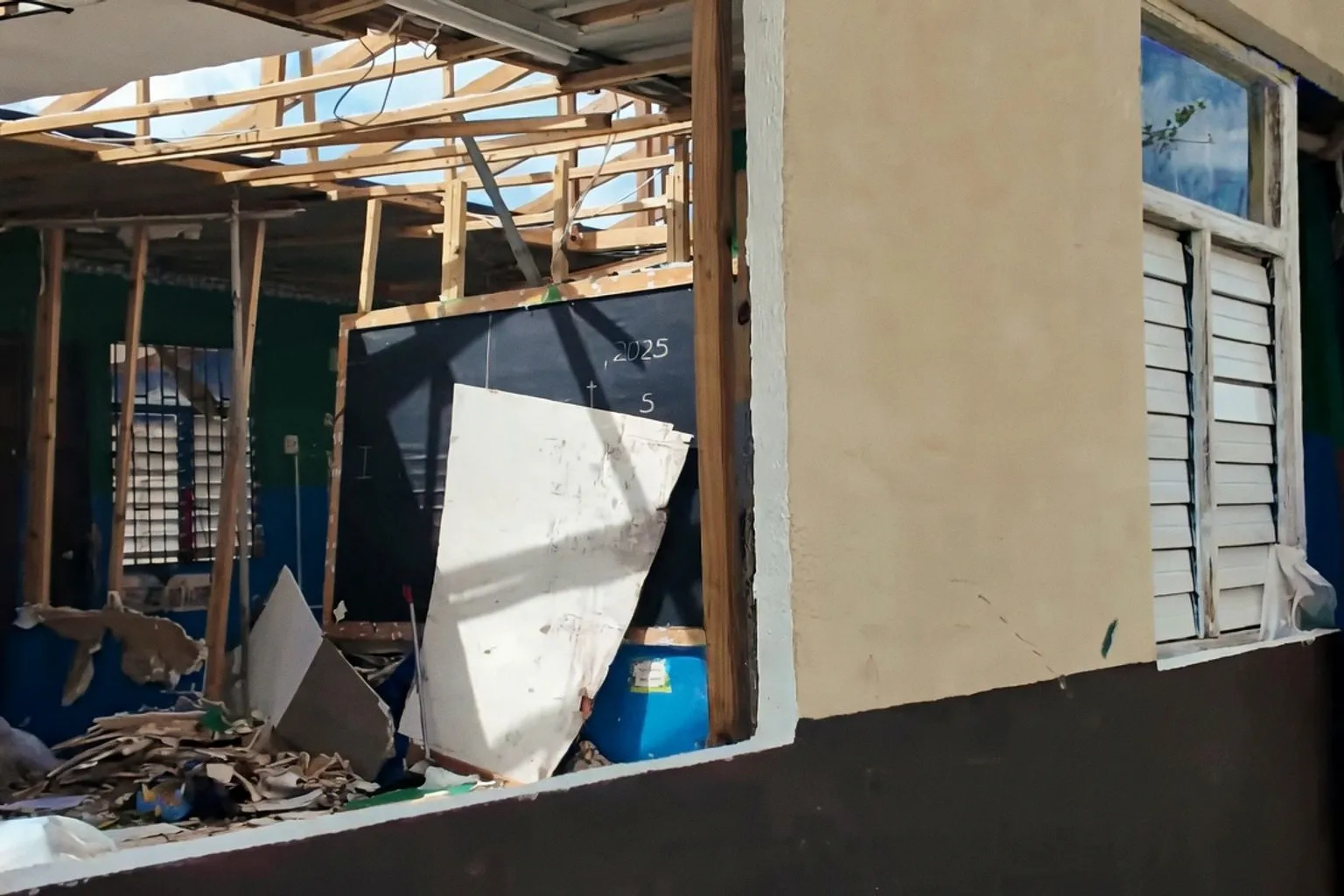
The bell doesn't ring on time when the building still has tarp on the roof. Ten months after Hurricane Melissa tore through Jamaica, classrooms at Petersfield Primary & Infant School in Westmoreland are still patching together a normal week, and the countdown to the next school year has already started. According to an interview published by Education International with principal Susan Rattray-Hammond, the hard truth on the ground is that rebuilding is moving at the pace of high costs, scarce labor, and global logistics friction — not the pace children need.
What breaks first when the weather hits
The phone lines went dark before the walls did. Power and telecom networks were knocked out across the parish, cutting staff, students, and parents off from each other in the first days after the storm. Roads buckled and flooded, blocking access to neighborhoods and water sources. For a school leader, Rattray-Hammond told Education International, the first job wasn't reopening — it was checking in on every family member and colleague while her own home sat damaged.
This is the part that never makes the headlines: the communication collapse. When the grid goes down, a school's response time stretches from hours into days. Relief supplies get distributed in an ad hoc pattern, and recovery turns into a slow grind of counting what materials we can actually get on a truck.
The slow grind ten months in
The hurricane left, and the invoices arrived. Rattray-Hammond, who has led Petersfield for sixteen years, says the rebuild is now bottlenecked by cost, labor shortage, and material availability — all compounded by global logistics friction and reduced household earnings. Many schools across the region are still not ready with the new academic year weeks away.
The second load on the wall isn't structural — it's psychological. Teachers need training in psychological first aid and trauma-informed instruction, because students are carrying antecedents into every classroom that standard lesson plans don't account for. And because the teaching workforce is dominated by women, that psychological load lands hardest on the educators least likely to be factored into a relief distribution list.
What to track before the bell rings
Solidarity in this context isn't a slogan — it's a routing problem. We know the roads. We've hauled the supplies. Volunteer biker networks and grassroots NGO work earn their keep precisely because the same logistics that stall official rebuilding — damaged roads, scattered communities, thin communication — are exactly what boots-on-the-ground crews can bypass. Route scouting, supply hauling, and on-site triage shorten the distance between a donated box of materials and a classroom that needs it before term starts.
The checklist for anyone routing support into a post-climate school zone:
- Structural status: Which schools have permanent roofs versus tarp and patch repairs.
- Communication chains: Whether school leadership has a working channel — radio, mesh, or otherwise — independent of the main power grid.
- Trauma training: Whether teachers received psychological first aid preparation before the new term, not after.
- Supply pipeline: Where donated materials actually sit — in a warehouse, on a truck, or stacked in a classroom ready for use.
- Women's workload: Whether relief and volunteer programs account for the double shift carried by women educators at home and at school.
The plan didn't survive the weather. It rarely does. The rebuild gets done the same way every rural school gets done — one routed supply run, one verified contact, one checked-off safety box at a time.