How Nagaland is Transforming Education to Bridge the Employment Gap
The World Bank released a brief on Nagaland's NECTAR project — a $56.5 million, state-run education program launched in 2020 covering 2,000 schools and roughly 150,000 students across India's northeast.
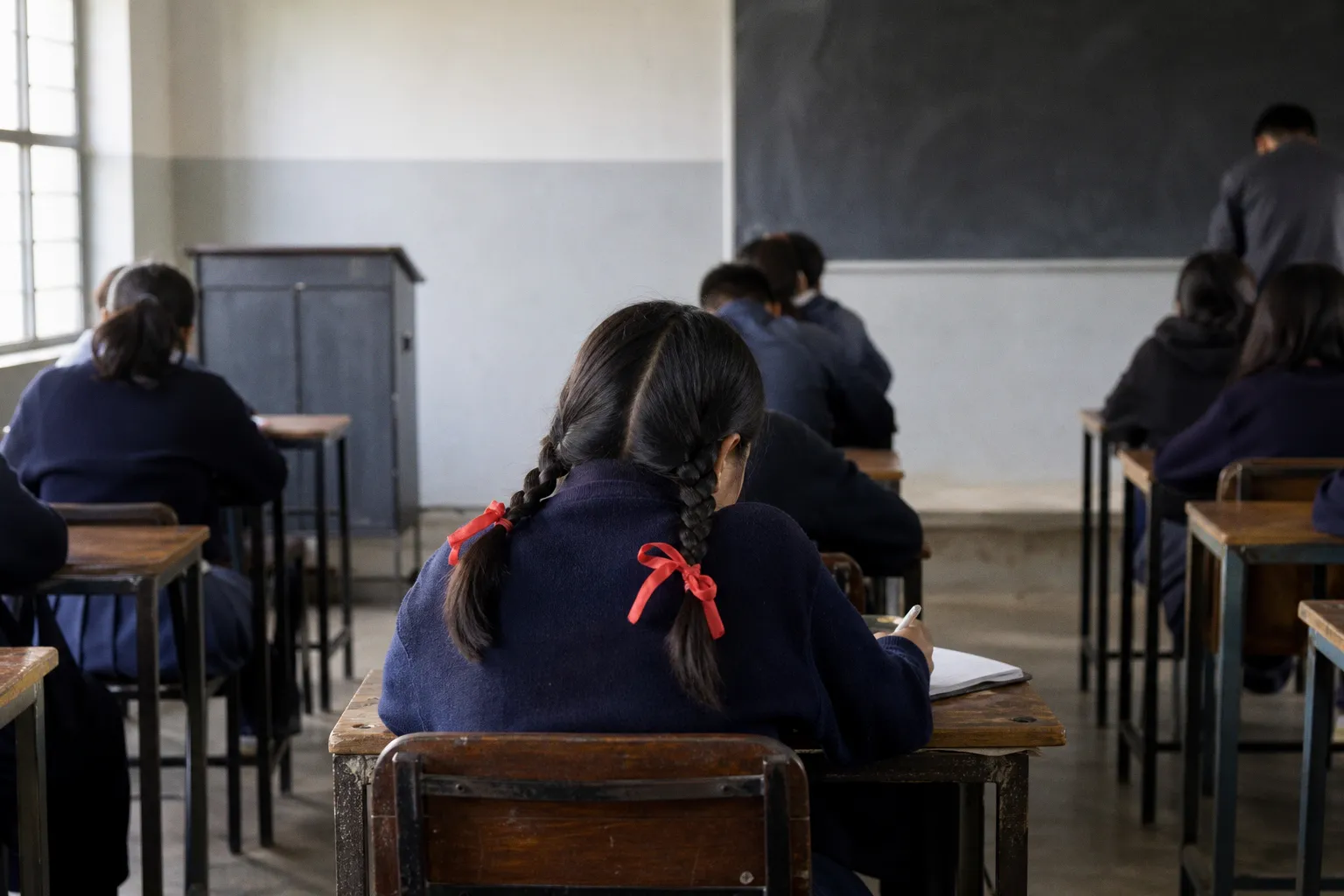
For biker-volunteer networks hauling materials into Kohima and the surrounding hill districts, this is the institutional scaffolding now showing up around the job sites we already service. The question for the next route plan is which gaps the state has filled and which still need our rigs.
Terrain Before the Convoy Rolls
Nagaland is hilly, forested, and starved for road connectivity. Three-quarters of households sit rural, over 60 percent depend on agriculture, and more than 85 percent of salaried jobs run through government or Church payrolls — the structural reason most young people leave the state for work. A decade back, primary-level dropout rates ranked second highest in India, only one in three children reached secondary school, and two-thirds of those who stayed never finished. The 2,000 schools serving 150,000 students ran thin on libraries, science labs, and sports infrastructure, while rural first-generation students faced shortages of teaching materials and qualified instructors.
What NECTAR Torqued Down
In 2020 the Nagaland government partnered with the World Bank on NECTAR — the Nagaland: Enhancing Classroom Teaching and Resources Project — the Bank's first education initiative in the northeast region directly implemented by a state government. The brief points to teacher training as the lever. Math teacher Rokovono Meyase at RÜZHÜKHRIE Government Higher Secondary School in Kohima district introduced pair work and group work after the training, drew girls into the subject, and watched confidence rise alongside outcomes. Class 12 students now name researcher, scientist, and engineer as career targets — a real shift in a local labor market anchored on government and Church employment.
Where the Convoy Still Anchors
NECTAR is the institutional fix, not the field crew. Library shelves, lab equipment, and sports infrastructure remain uneven across the 2,000-school footprint. First-generation rural students still need qualified instruction and physical materials. For volunteer networks running convoys into Kohima and Porba districts, the work is to read each site's provisioning before dispatch and load what the state has not.
Run this before the next route plan:
- Confirm road conditions into Kohima and Porba districts during monsoon — connectivity stays thin.
- Coordinate with the school administrator on what the state has provisioned versus what volunteers must source.
- Check teacher-training status at the destination school — mid-rollout sites need different support than post-rollout ones.
- Pack gender-inclusive STEM materials where girls are enrolled in math and science streams.
- Avoid duplicating what the NECTAR rollout has already supplied.