Bridging the Gap: Transforming South Sudan’s Education System for Vision 2040
Radio Tamazuj, a policy roadmap just landed laying out where South Sudan's education system is structurally failing — underfunded, teachers unpaid, infrastructure thin, whole cohorts of kids locked out.
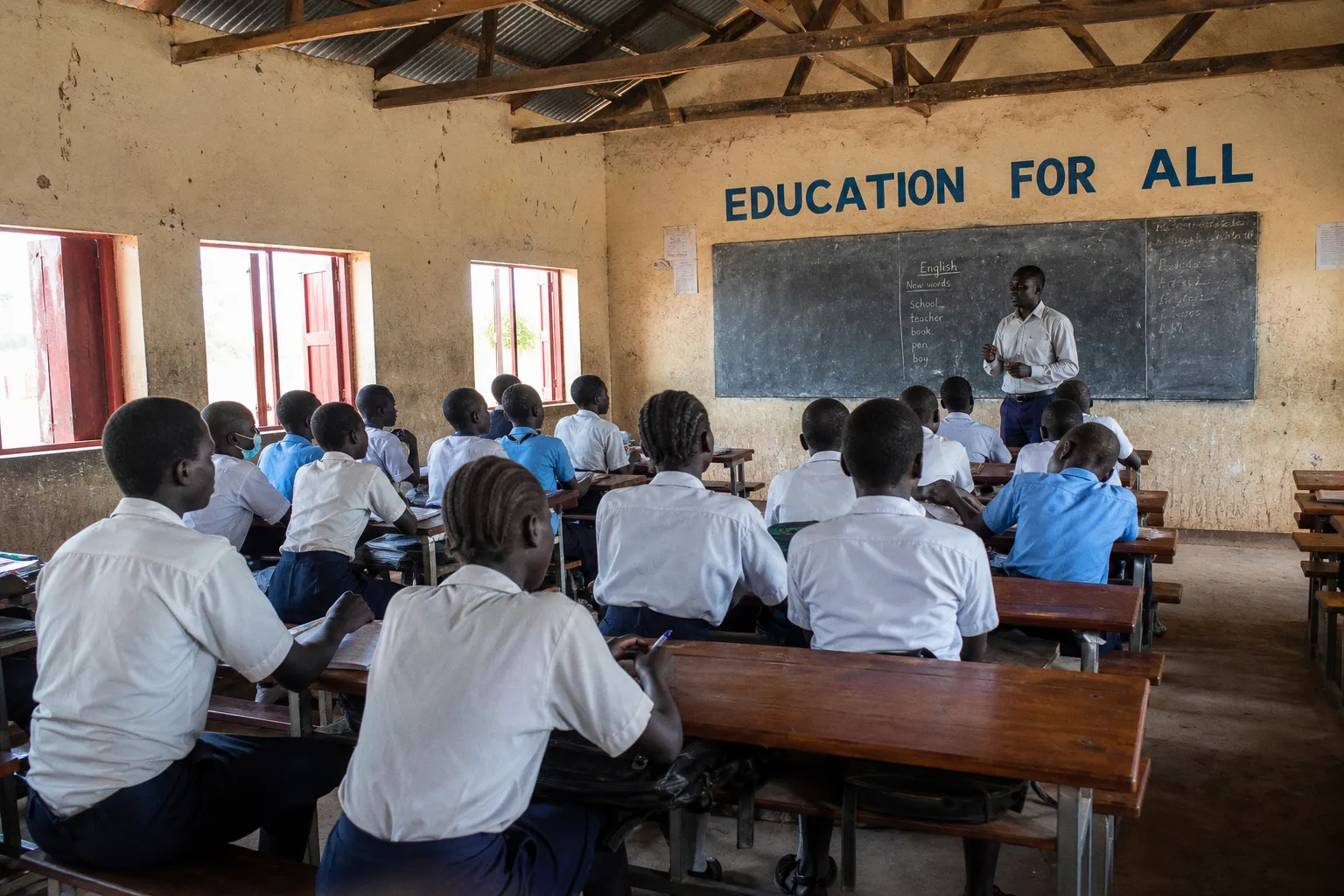
The opinion piece frames Vision 2040 against Article 29 of the Transitional Constitution and the General Education Act 2012. We don't ride in South Sudan, but the failure pattern reads like a wiring diagram of every rural block we pull into.
The legal floor versus the field
The piece lays down the baseline first. Article 29 of the Transitional Constitution calls education a right for every citizen and bans discrimination on religion, race, ethnicity, health status, gender, or disability. The state has to deliver free, compulsory primary education plus illiteracy eradication programs. Article 38 broadens the mandate — train qualified cadres, pull in public, private, and communal resources, make secondary and vocational schooling affordable. The General Education Act 2012 turns this into operating procedure: free, compulsory primary for all, gender equity, special needs education, literacy, national unity, quality, innovation, continuous school improvement.
So the law sits on paper. That isn't the breakdown. The same opinion piece names the gap between text and execution. Teachers paid late or not at all. Insecurity and displacement emptying classrooms. Poverty pulling kids out. Supervision weak, infrastructure thin, learning materials short. Girls, children with disabilities, pastoralist kids, displaced learners, children from poor households — all still excluded. The piece's core argument: education must be treated as a national recovery and transformation priority, backed by predictable financing, teacher motivation, accountability, inclusive access, and better learning outcomes. Predictable financing. That's the bolt that keeps loosening.
What it maps to on our routes
We ride for schools in neglected Indian districts. The failure list above is the same one we patch with paint buckets and chalk donations. A government paper calling itself a policy direction and naming exactly the breakdown we already see on the ground is useful in one specific way: it tells us what the formal sector admits it isn't doing. That shapes where the hauls go. If state financing for teacher salaries isn't arriving, volunteer biker networks bridge the gap with stipends. If supervision is weak, we escalate maintenance flags to the district office. If girls and disabled kids are excluded, we route to those schools first. Foreign policy documents don't change our routes, but they confirm the terrain. The priority list in the opinion piece reads like a route briefing: financing first, teacher pay second, accountability third, access for the dropped kids last.