California Allocates $44 Million to Empower Tribal-Led Environmental Restoration
California is putting $44 million on the ground for tribal-led stewardship and habitat work — fifteen projects across eleven counties, announced by Governor Newsom's office and routed through the Wildlife Conservation Board.
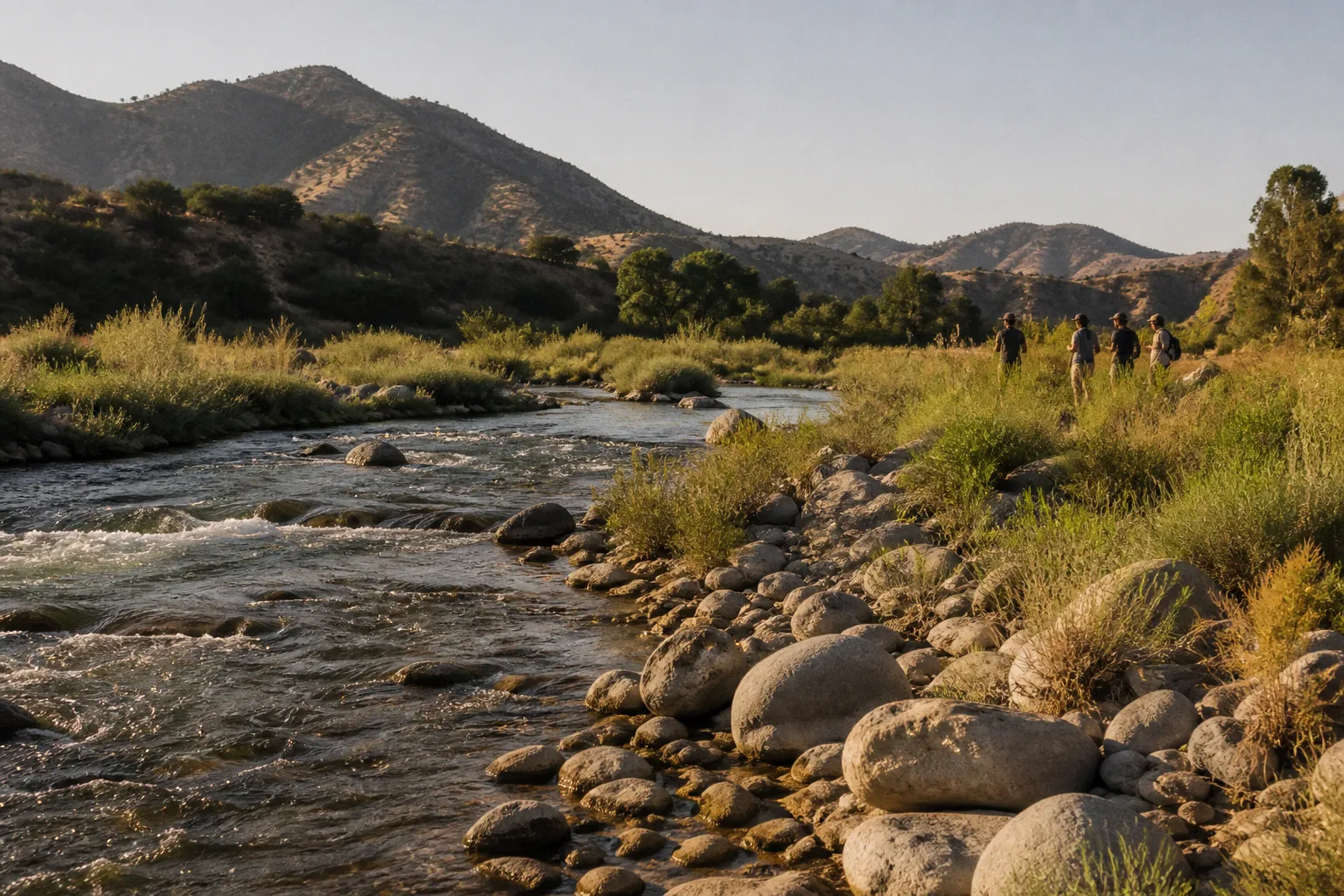
For most of our crew, that number lands like a signal flare in the dark: a state-level pipeline that reaches tribal communities directly, instead of bleeding out through three layers of intermediaries before a brick gets laid.
The Structural Breakdown
Here's the engineering, because the load-bearing parts matter more than the headline. Of the $44 million, $32 million comes from the voter-approved 2024 Climate Bond — earmarked for watershed restoration, wildlife corridors, and expanded public access. The remaining funds fill out salmon recovery and desert protection work. The Wildlife Conservation Board administers the awards, working alongside tribes, conservation groups, and state agencies. Three sites worth marking on the map: Beaver Valley Headwaters Preserve in Siskiyou County, the Johnson Meadow property along the Upper Truckee River in South Lake Tahoe, and the Mojave Reserve near Yucca Grove in San Bernardino County.
Why Tribal Stewardship Is the Part We're Watching
The tribal piece is where our route scouts should be paying closest attention. Tribal Affairs Secretary Christina Snider-Ashtari framed the awards as recognition that tribes are the original stewards of California lands and waters — not consultants pulled in after the drawing is done, but decision-makers with authority over the work. Natural Resources Secretary Wade Crowfoot tied the funding to the state's 30×30 commitment — conserving thirty percent of California's lands and coastal waters by 2030 — and flagged that the partnership lands at a moment when federal pressure on public lands is escalating.
For our run — rural school rebuilds across India — the lesson is not the dollar figure. It's the architecture. A state identifies a goal. Voters approve a bond. An established board administers the funds. Tribes run the projects on their own terms. No donor dependency, no annual scramble for the next grant cycle, no volunteer riders filling gaps that structural funding should be filling. Most of our Indian school partners would trade a fleet of motorbikes for one year of that kind of committed pipeline.
What to Track From Here
Three checkpoints worth pulling over for: how fast the Wildlife Conservation Board actually disburses to tribal grantees, whether the fifteen projects hit their first-year milestones, and whether the Climate Bond mechanism gets adapted for non-environmental tribal priorities — education infrastructure chief among them. If California can move $32 million from ballot to boots in under two years, our own advocacy work has a benchmark to point at when we walk into the next district office and ask why the same model can't exist for a schoolhouse roof.