Bridging the Gap: Implementing Direct Outreach for Tribal Welfare Schemes
The Ministry of Tribal Affairs has issued a direct order to state governments: set up mass outreach camps to get central welfare schemes directly to remote tribal communities.
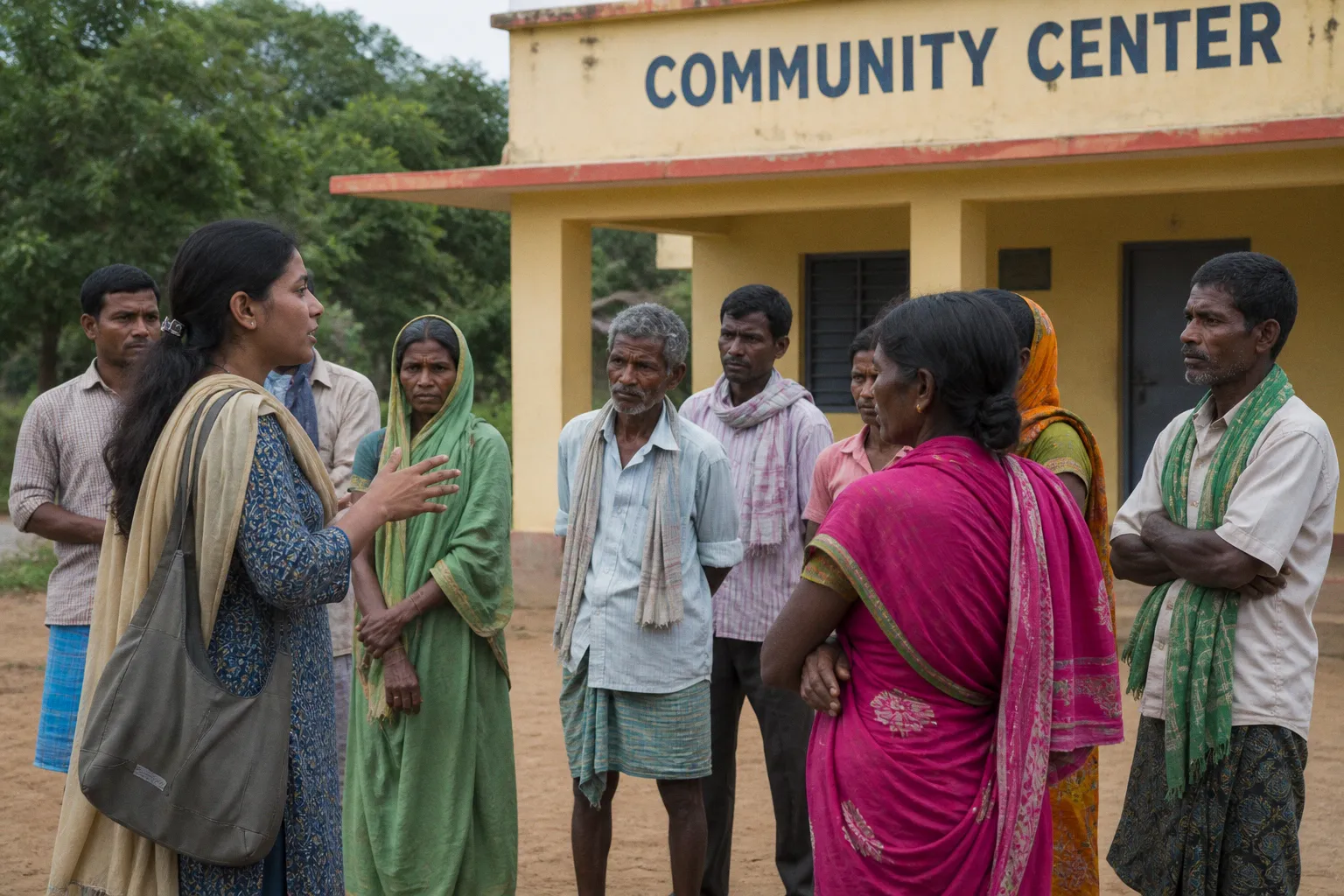
This isn't a suggestion; it's a directive to bridge a service delivery gap that's left marginalized indigenous populations without their due. For us, it's a signal that the official machinery is finally trying to move from paperwork to presence on the ground.
The Plan: Two Big Machines Rolling Out
The government is pushing two flagship schemes. PM-JANMAN focuses on the most vulnerable tribal groups, while DAJGUA aims to uplift broader tribal communities through infrastructure and livelihoods. A key piece of this is the Van Dhan Vikas Kendras (VDVKs)—processing centers for forest produce. According to Parliament reports, over 3,400 of these are operational, generating significant revenue for communities. The plan is backed by a digital dashboard tracking progress across nine ministries. The engine is built; the question is whether it can navigate the last mile.
The Friction: Rights, Migration, and the Dirt Road
Here's where the dirt road meets the policy. A parallel directive from the Ministry specifically addresses nomadic groups like the Van Gujjar, urging states to protect their forest rights under the Forest Rights Act during seasonal migration. This is a critical variable. You can't set up a permanent outreach camp for a community that follows the seasons. The outreach has to be mobile, or it has to be timed with precise habitation-level mapping. A recent report notes such mapping has covered nearly 20,000 households in West Bengal alone. That's the kind of data our ground teams need.
What to Watch: Delivery, Not Just Directives
The real test isn't the announcement. It's the execution. Watch for three things: the actual establishment of these outreach camps in areas that are currently no-go zones for bureaucrats; the protection of community forest rights for groups on the move, not just on paper; and whether the education component—479 functional Eklavya Model Residential Schools—can absorb the demand. The schemes are there. The funding is tracked. Now it's about hauling that support to where it's needed, without breaking down en route. For our networks, this is a call to map the gaps these camps are supposed to fill.