Strategic Tactics for Revitalizing Rural Education Through Targeted Funding
We’ve got a funding problem and a patchwork of local fixes. That’s the core of the current push to rebuild rural classrooms.
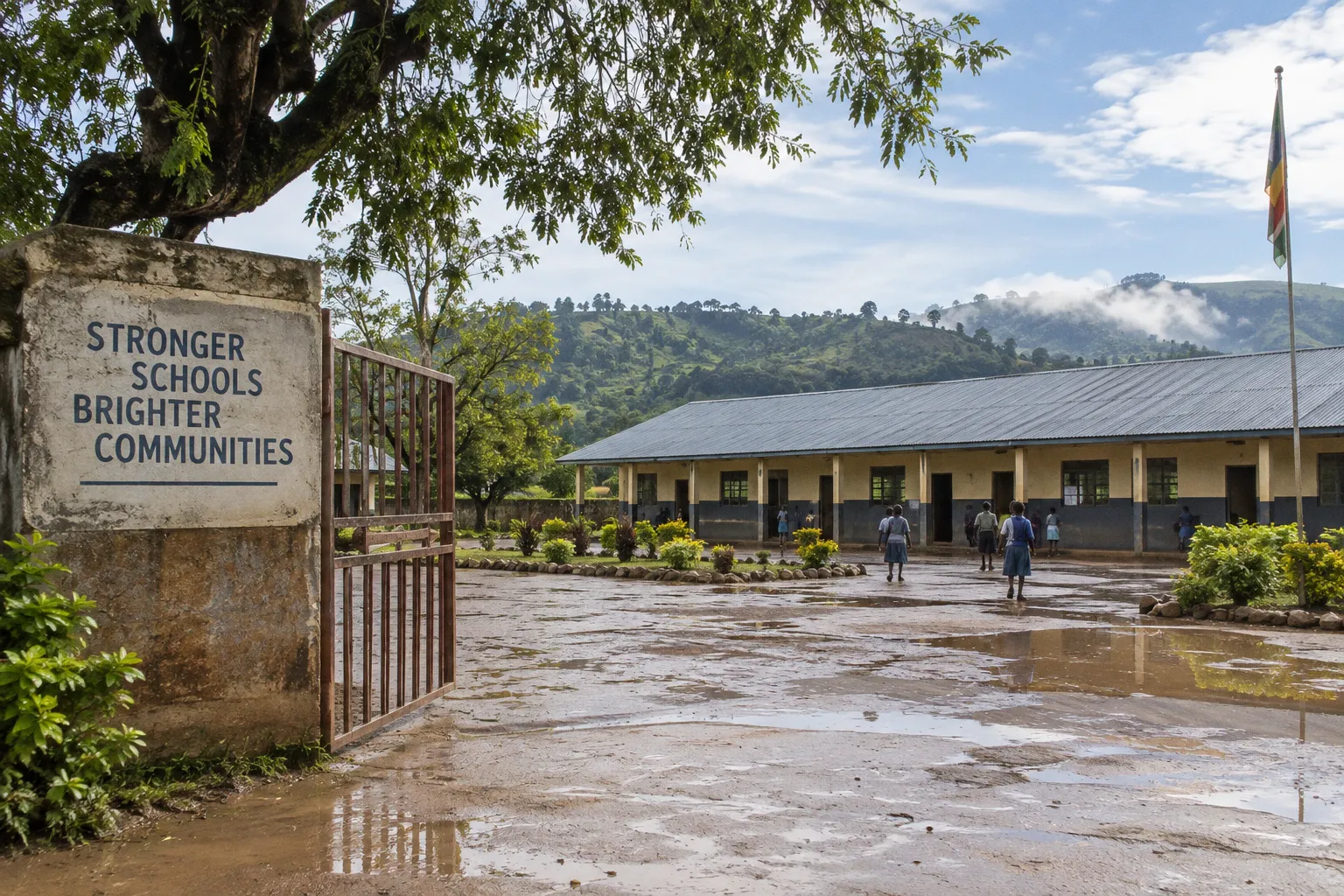
The Bureau of Indian Education just announced $6.5 million to nine schools for Native-language immersion, teacher training, and digital tools. This isn’t a blanket repair kit; it’s a set of targeted field modifications. For us on the ground, it’s a map of proven tactics worth studying.
The Funding Injection: What the $6.5 Million Buys
The money is split across nine BIE-funded schools. It’s not for new roofs or buses. It’s earmarked for high-impact, low-infrastructure projects: building teacher pipelines, creating digital learning resources, and deepening family engagement. A cooperative agreement between the National Fund and BIE allows this flexible, locally-driven approach. The goal is direct: increase attendance, improve academic performance, and strengthen school communities through language and culture.
Local Builds: Reading the Project Specs
Each school’s plan is a discrete field project. We’re not talking about grand theory; we’re talking about specific, replicable moves.
- Waadookodaading Ojibwe Language Institute (Wisconsin): Building its own teacher supply chain. They’re pairing trainees with mentors in the classroom and supporting their enrollment in a local university degree program. It’s a direct, internal solution to staff shortages.
- Haak'u Community Academy (New Mexico): Expanding Acoma Keres language classes for kids ages 3–14. They’re pulling community knowledge holders into the school and using tech to document the language. Family events are part of the package.
- Standing Rock Community School (North Dakota): Running summer immersion camps for families and creating a digital library of language units. The strategy is to build materials and share them across the reservation through the local educational consortium.
- Many Farms Community School (Arizona): Developing a comprehensive Diné Bizaad curriculum with immersion sessions. They’re partnering with local orgs on camps and building digital resources with 100% Diné Bizaad presenters.
- Chief Leschi Schools (Washington): Adding a full-time high school instructor and launching a student internship program where advanced high schoolers teach Lushootseed in other schools. This is a direct pipeline to language careers with the tribe.
- Navajo Preparatory School (New Mexico): Weaving Navajo language into all campus life—from classrooms to the cafeteria. They’re expanding heritage arts coursework and implementing a school-wide Diné Values Framework for students from 52 communities.
The On-the-Ground Checklist
This cluster of projects gives us a framework for any NGO or volunteer group mapping a similar route. Before you haul your own tools into a rural district, run this diagnostic.
1. Anchor to Local Language & Culture: The most durable fixes tie learning to identity. Immersion programs show concrete gains in attendance and engagement.
2. Build the Crew, Don’t Just Import It: Look for programs that train local residents to become teachers. A sustainable pipeline beats a rotating cast of outsiders.
3. Use Tech as a Socket Wrench, Not a Showpiece: Digital tools here are for documentation and resource creation—not for flashy one-off hardware donations. Create multimedia libraries the community owns.
4. Engage the Family Unit: Solutions that pull parents and elders into school-sponsored activities and camps have deeper traction.
5. Map the Consortium: Know the local tribal college, educational consortium, and community organizations. Share your resource materials through their networks to maximize reach and durability.
These nine schools are just test sites. The blueprints are now in the open. The friction point isn’t a lack of ideas; it’s the logistics of matching the right fix to the right community’s structural deficit. Start by mapping your local assets, not the national headlines.