Empowering Rural Students in Zimbabwe Through Targeted Educational Support
According to fundsforNGOs News, the Shinga Development Trust, backed by Bread and Water for Africa®, is running a direct-support program in Mutare’s Dora Village.
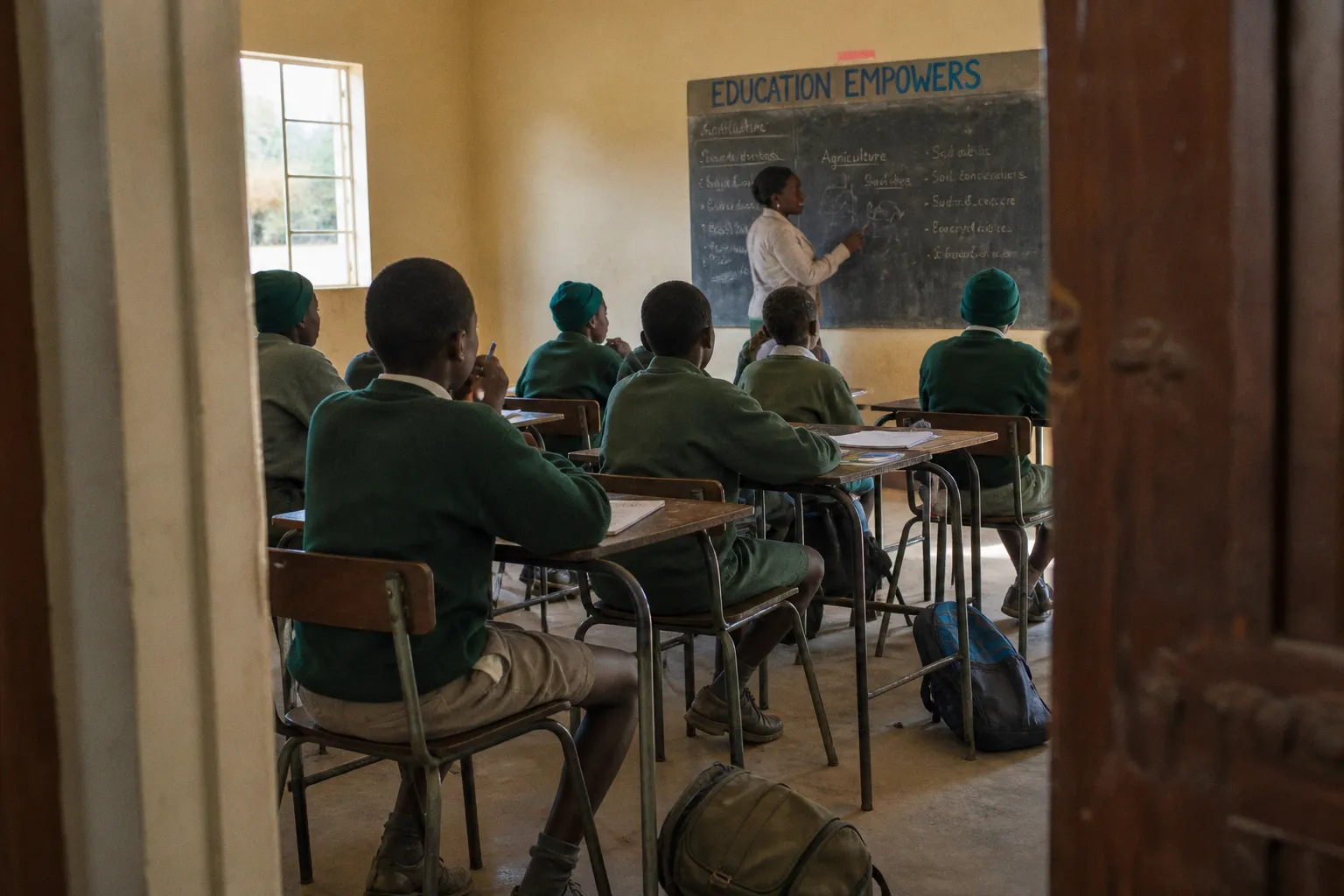
We are looking at another grassroots repair job. This time, the chassis is a rural school system in Zimbabwe, and the funding mechanism is the first part to give out.
The core problem is straightforward: economic pressure is knocking kids out of the education pipeline. The fix is equally direct. The program covers the hard costs—school fees, learning materials, examination costs—for 80 orphaned and disadvantaged children. This isn’t a broad awareness campaign. It’s targeted, material support to keep students enrolled and attending.
The Direct Support Mechanism
The operation focuses on removing specific financial barricards. Rising costs of education, driven by broader economic hardship and drought, force families into impossible choices. The initiative bypasses the symptom by paying for the essential components: the fees that gatekeep attendance, the books required for coursework, and the exam fees that are the final hurdle to a completed grade. Organizers are monitoring attendance and progress, working with schools and community leaders to identify the most at-risk learners. It’s a supply-line fix for a supply-line failure.
A Concrete Outcome: The Case of Gerald
One tracked result is Gerald, a 13-year-old student supported through the Lerato Children’s Home. With the financial pressure removed, he completed his Grade 7 national examinations. His goal now is a career in law. This is the intended outcome: a functional pathway from primary education to a viable future trade. The program’s structure—partnerships with schools, caregivers, and government agencies—is aimed at creating more of these clear, operational pathways for other children in the system.
Context for Our Route
For our network, this model presents a replicable blueprint. It’s a community-trust structure that identifies a critical failure point in the local system (cost) and applies a direct, resource-based solution (payment). The emphasis on monitoring partnerships and transparent implementation aligns with the kind of accountable, ground-level work that builds lasting infrastructure. It’s a reminder that the most effective interventions are often the most direct: torque the bolt that’s loose, don’t redesign the whole engine.
Checklist Before You Ride:
1. Identify the specific, material barrier (fees, materials, exams).
2. Partner with existing local entities (trusts, schools, community leaders) for identification and oversight.
3. Fund the direct cost, not the overhead.
4. Monitor a clear outcome (attendance, grade completion).