Sonam Wangchuk’s Hunger Strike and the Urgent Need for Indian Education Reform
According to the BBC, Sonam Wangchuk has been fasting in Delhi since 28 June in support of youth-led demands for education reform after controversies including exam-paper leaks.
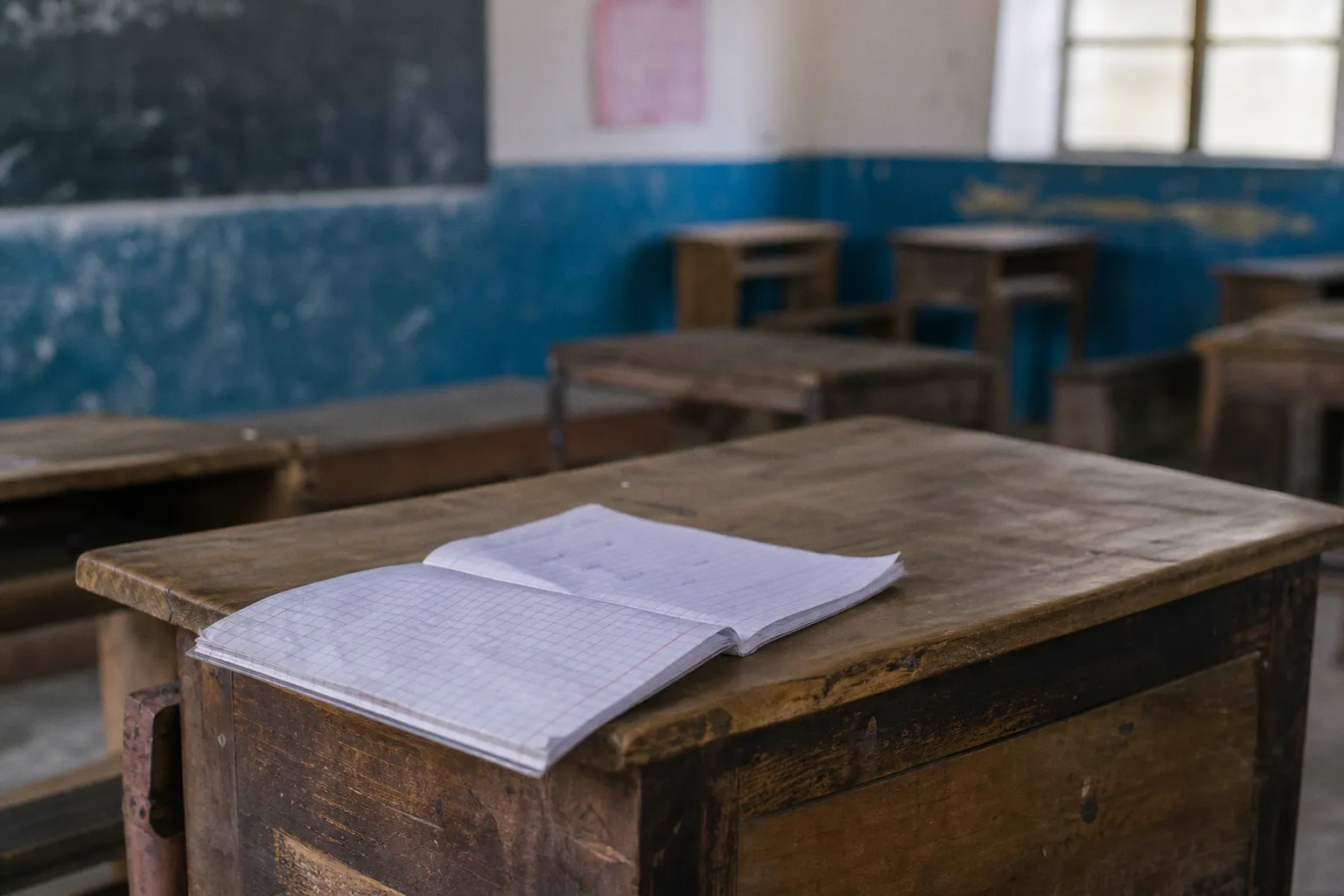
The engineer, educator and activist has reportedly consumed only salt and water, lost more than 9kg, and was forcibly admitted to hospital by police on 18 July. For school volunteers and bike crews, this is not a cue to chase the protest line. It is a hard reminder to inspect the weak joints in the education system before we haul supplies to the next campus.
The fault line is trust in the exam system
Wangchuk is backing the online satirical Cockroach Janta Party movement, which is pressing for reforms following failures that include leaked examination papers. The group’s name references a term reportedly used by India’s most senior judge about unemployed young people.
That detail matters on the ground. A repaired classroom, a new library rack or a routed-in computer kit cannot compensate for a process students believe is compromised. When we work with a public school, the first questions should not stop at paint, desks and attendance. Ask which exams the pupils are preparing for, whether the school has a clear channel for exam notices, and who can explain the timetable to families when confusion hits.
Do not promise a result we cannot anchor. Volunteer networks can support study spaces, transport and basic information flow. They do not control examination security or national policy.
A fast has turned the pressure up
The BBC reports that Wangchuk says he will end his fast only if the government accepts accountability for recent education-system failures; if he and CJP leaders reach parliament and MPs assure them the issue will be taken up; or if lawmakers visit him in hospital with that assurance.
The protest has drawn support from opposition leaders, activists, actors and musicians, according to the report. But the operational point is simpler: public attention is now fixed on reform demands, while local schools still need steady work. Keep the two tracks separate. Advocacy needs accurate reporting and consent. Campus work needs inventory, permissions, a route plan and a crew that can finish what it unloads.
For riders planning education runs, avoid turning a school visit into a protest photo stop. Confirm with school leadership what activity is welcome, who is responsible for students on site, and whether a planned delivery clashes with examinations or other school operations. If the answer is loose, bypass the visit and reschedule.
Build for the school day that follows
Wangchuk is well known for previous hunger strikes focused on Ladakh’s fragile ecology and for walking hundreds of kilometres with supporters from Ladakh to Delhi before this protest. His current demand is tied to the education system, not to a single school repair programme.
That distinction keeps our work properly torqued. The response at school level is not grand rhetoric. It is usable infrastructure and clean coordination: a dry room for books, working lights where they are needed, a verified list of materials, and a handover record that does not vanish when the bikes leave.
Before the next run, check three things: the school’s immediate request, the timing around exams, and the named person who will receive and maintain the equipment. Secure those points first. Everything else is noise.