CJP Mobilizes Local Communities to Overhaul Rural Schools via Sarpanch Challenge
CJP — the activist outfit running under the banner "Cockroach Janta Party" — just rolled out a national volunteer program aimed squarely at fixing India's broken rural government schools, and the playbook turns the old top-down donor model inside out.
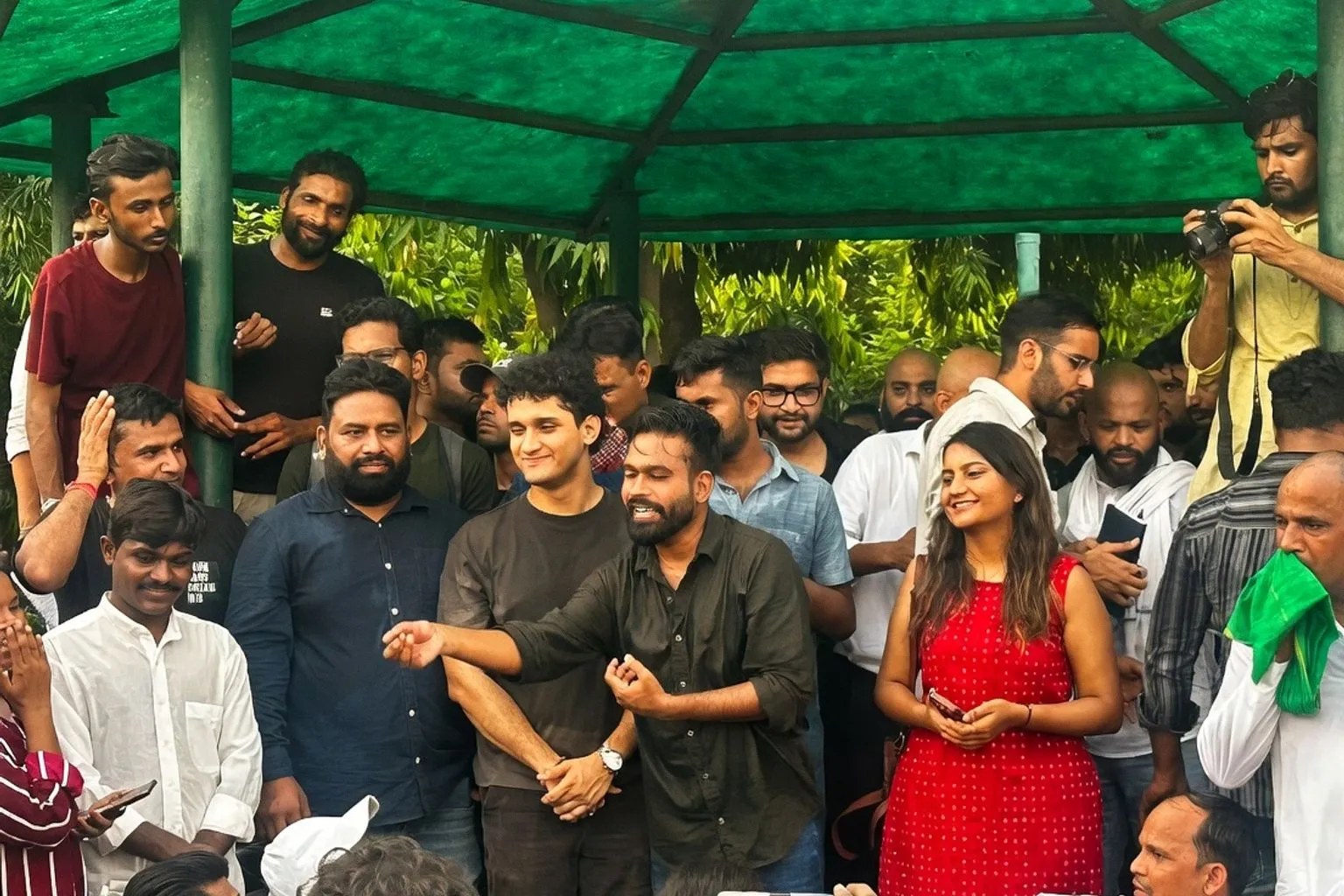
According to The Mooknayak English, the campaign titled "School Thik Karo" puts parents, youth, and village sarpanches on the hook for inspecting classrooms and pushing local administration to deliver repairs. For anyone already running routes into village school rebuilds, this is the structure we've been waiting for — the bureaucratic fuel pump just got primed.
How the Sarpanch Challenge Actually Works
The mechanics are simple, which is exactly why they might hold. Walk in. Look at the building. Check four things — CJP is calling them non-negotiable: the structural basics that decide whether a school functions or fails (the published checklist is the reference, treat it as your torque spec sheet). If something's busted, document it on your phone, file it with the sarpanch and panchayat, and you've just started the clock on accountability. No white-paper cycles, no waiting for a politician's calendar to open.
CJP leaders have made clear the operational shift: the era of sharing photos of broken classrooms on social media is over, and the new directive is ground-level construction work. That maps cleanly to how volunteer biker networks already move — we stage at a village, we audit, we fix, we roll out. The only fresh tool is the documentation requirement: phone logs of missing facilities, presented as evidence to district magistrates when local bodies stall. That's the wrench in the gears for any bureaucrat hoping to delay.
The Two-Month Window
The immediate target is one hundred schools upgraded to full functionality inside sixty days. The timeline CJP published is rigid enough to use as a dispatch schedule:
- Day 1 to 15: Community submits the audit, and eyes whether structural work has actually started on the ground.
- Day 16 to 30: Track execution. Materials, workmanship, finish — anything substandard gets flagged before it's buried under plaster.
That second window is where most volunteer builds bleed out, so don't skip it. We've all watched a freshly plastered wall crack open because nobody checked the sand ratio. If the campaign scales, expect ride teams to be routed directly into Day 16 monitoring runs rather than new builds — load that into your planning, not your wish list.
What's Still on the Drawing Board
Two operational gaps worth flagging before anyone commits a route. First, the call for a reliable rural school transport network is still a slogan, not a funded program — no fleet, no drivers, no budget figures in the public materials. Riders looking to coordinate pickups should not assume CJP is footing that bill. Second, the "Sarpanch Challenge" depends entirely on local sarpanches being willing to be publicly named alongside repair demands. In some districts that's a five-minute conversation; in others it puts a target on the family. Build contingencies for hostile panchayats, not just cooperative ones.
Bottom line for the crew: the framework is real, the checklist is real, the two-month deadline is real — what isn't real yet is the transport layer. Treat the audit as a logistics problem, document everything, and watch who flinches when you file the first report.