Safaricom Ethiopia Foundation Launches Large-Scale School Supply Distribution
TechAfrica News reports that the Safaricom Ethiopia Foundation has launched a school-supplies initiative covering nine operational regions in Ethiopia.
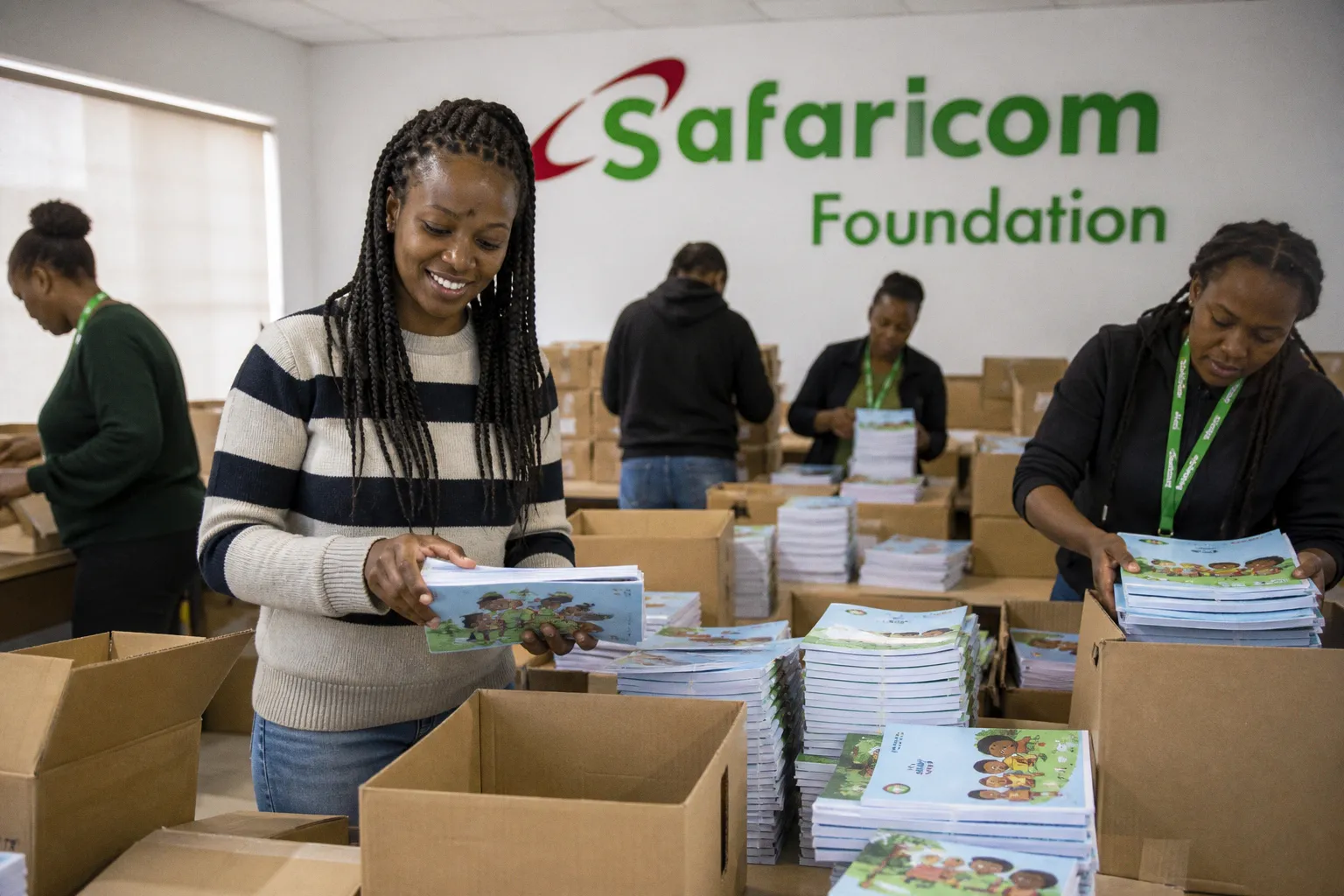
The programme is set to distribute 60,000 exercise books and 11,000 pens, with more than 5,500 low-income families expected to receive support before the new academic year. For crews working around rural education access, the useful point is not the headline volume alone. It is the handoff: who moves the materials, where they land, and whether the count survives the last kilometre.
The load is defined. The route is not.
The Foundation says the distribution will cover North, North East, North West, Afar, West, Central, South, East 1 and East 2. Distribution is expected to begin shortly, and the materials are intended to ease back-to-school costs for families.
That gives us a clear cargo list:
- 60,000 exercise books;
- 11,000 pens;
- more than 5,500 low-income families;
- nine operational regions.
It does not give us a school-by-school allocation, a delivery timetable, a transport plan or the names of participating local organisations. Those gaps matter. A supply drive can have the right tonnage at the warehouse and still fail at the classroom door if the final handoff is loose.
The Foundation says local stakeholders will help carry out the distribution so the materials reach the students who need them most. That is the operational hinge. Local coordination should anchor the delivery. Riders, volunteer networks and school-repair crews should treat the announcement as a programme to monitor, not a route map already cleared for travel.
What this means for field crews
We know the initiative is aimed at students across the Foundation’s operational areas. We do not know which schools will receive the books and pens, how the materials will be divided between the nine regions, or whether every family will receive the same package.
So we should not rush to duplicate the model by hauling supplies toward a named destination that has not been confirmed. Before adding a school-supplies run to an existing education project, confirm the receiving school or local stakeholder, the number of students covered, the storage point and the person responsible for the final count.
That is basic load discipline. It prevents two common failures: sending material where it is not needed and counting warehouse stock as completed delivery.
The numbers also show why route planning matters. The initiative involves a large book shipment but a smaller pen shipment. That may reflect different purchasing or allocation decisions, but the source does not explain the split. We should not infer that every student receives both items, or that the supplies will be distributed evenly across regions. Until the Foundation or its local partners publish those details, the only safe statement is that the programme targets more than 5,500 low-income families with the stated quantities.
The next checkpoints
The Foundation presents the programme as part of Safaricom Ethiopia’s wider social and economic support work, with education identified as a central area. The immediate test is execution, not intent.
We should watch for four hard details:
1. when distribution actually starts;
2. which schools or communities are covered;
3. how the 60,000 books and 11,000 pens are allocated;
4. which local stakeholders handle the final handoff.
Until those points are clear, keep the bikes parked and the manifests open. The announcement establishes the cargo and the broad operating area. It does not yet establish the route, the delivery sequence or proof that the materials reached classrooms.