Beyond the Headline: How to Audit Logistics for School Supply Drives
According to the Miami Herald, Bam Adebayo’s annual back-to-school drive has delivered supplies to 3,500 underserved children.
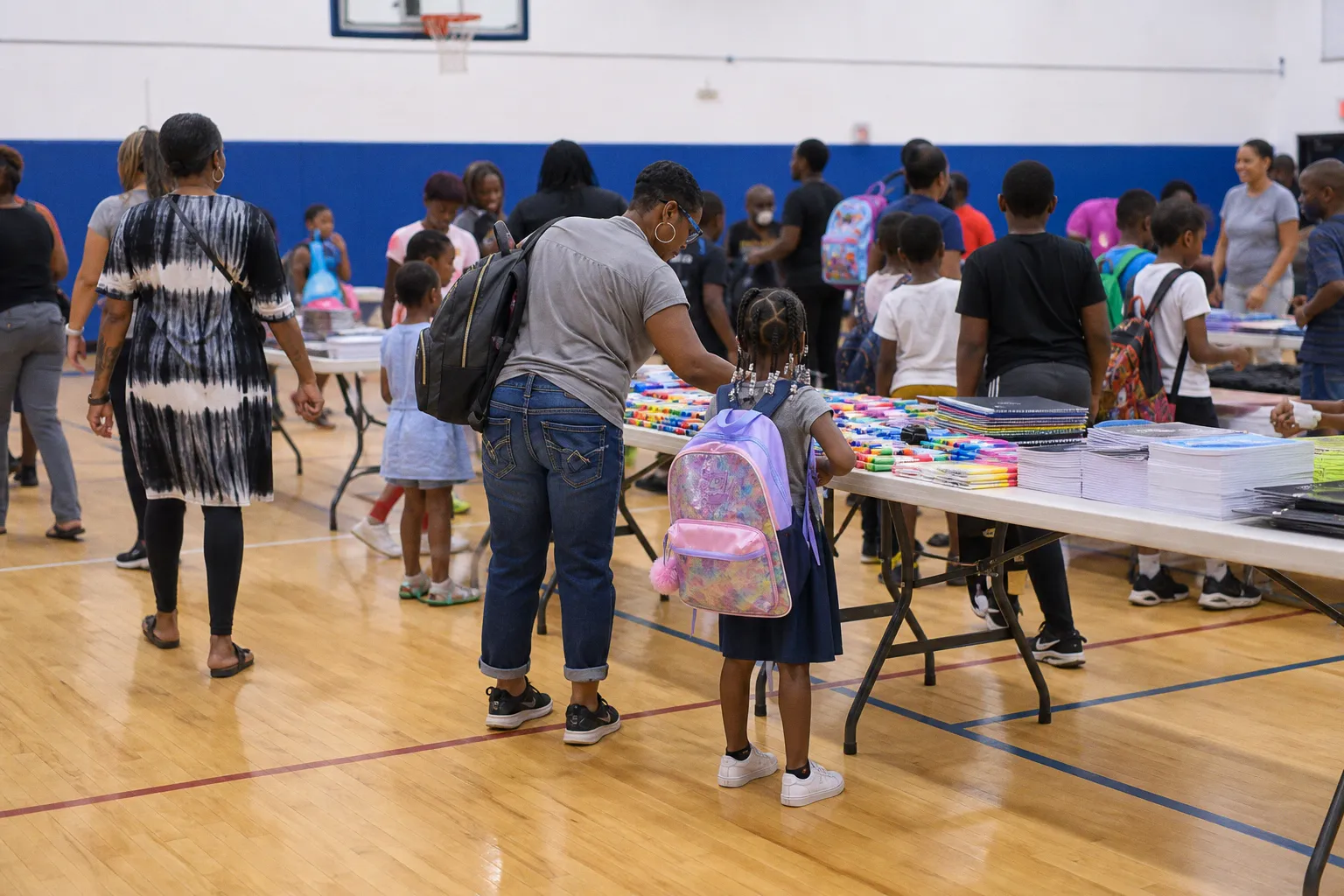
That is the headline number, and it matters because supply runs only count when the last bag reaches the last desk—not when the boxes leave a staging area. For volunteer rider crews and school-rebuild groups, this is the part worth checking before we load up.
The count is clear. The load plan is not.
The available report confirms the annual drive and the 3,500 children served. It does not identify the supply list, distribution sites, delivery schedule, partner groups, or the route from storage to students.
That gap is not a criticism. It is a field note. A figure like 3,500 can cover a clean operation or a messy one. We need to know what was packed, how it was counted, and where the handoff happened.
Before replicating or supporting a school-supply run, pin down the basics:
- the number of receiving schools or pickup points;
- the item list per student;
- who holds stock before distribution;
- whether families collect supplies or crews deliver them;
- the cutoff point for shortages, damaged cartons, and late arrivals.
Do not torque a logistics plan around a headline number alone. Confirm the delivery chain first.
Supplies help, but the classroom still needs work
The wider school-news cycle makes the same point from different ground conditions. WCTV reported that Grady County Family Connection distributed free back-to-school supplies to more than 200 students in Georgia, with sponsors and volunteers involved. Elsewhere, reports flagged students affected by delayed school works and parents in Tanggirejo joining community service to improve their elementary school.
These are separate stories, not one program. Still, the operating lesson is plain: bags and notebooks solve one load. Classroom condition, access, and upkeep are different loads. They need separate crews, separate materials, and a plan that does not let one task bypass the other.
For biker networks working with public schools, that means splitting the run early. One team can haul and sort supplies. Another can survey the site: gates, roofing, water points, classroom furniture, storage, and the safe place to anchor donated stock. Mixing all of it into one “school drive” makes tracking fail fast.
What to lock down before the next run
The Miami Herald item establishes the scale of Adebayo’s drive, but the operational detail is still unreported in the material available here. Until that detail is clear, do not assume a matching model will fit another district.
Build the manifest. Name the receiving point. Count at handoff. Keep a short record of what remains unfixed after the supplies are gone.
A full school bag is useful. A blocked route, an unsecure storeroom, or an unfinished classroom can still stop the work cold.