How Mission of Hope Streamlines Large-Scale School Supply Distribution
According to Upper Michigan's Source, the Mission of Hope event in Escanaba, Michigan runs into its ninth season this weekend—backpacks, new shoes, hygiene kits, books, and household goods flowing through the U.P.
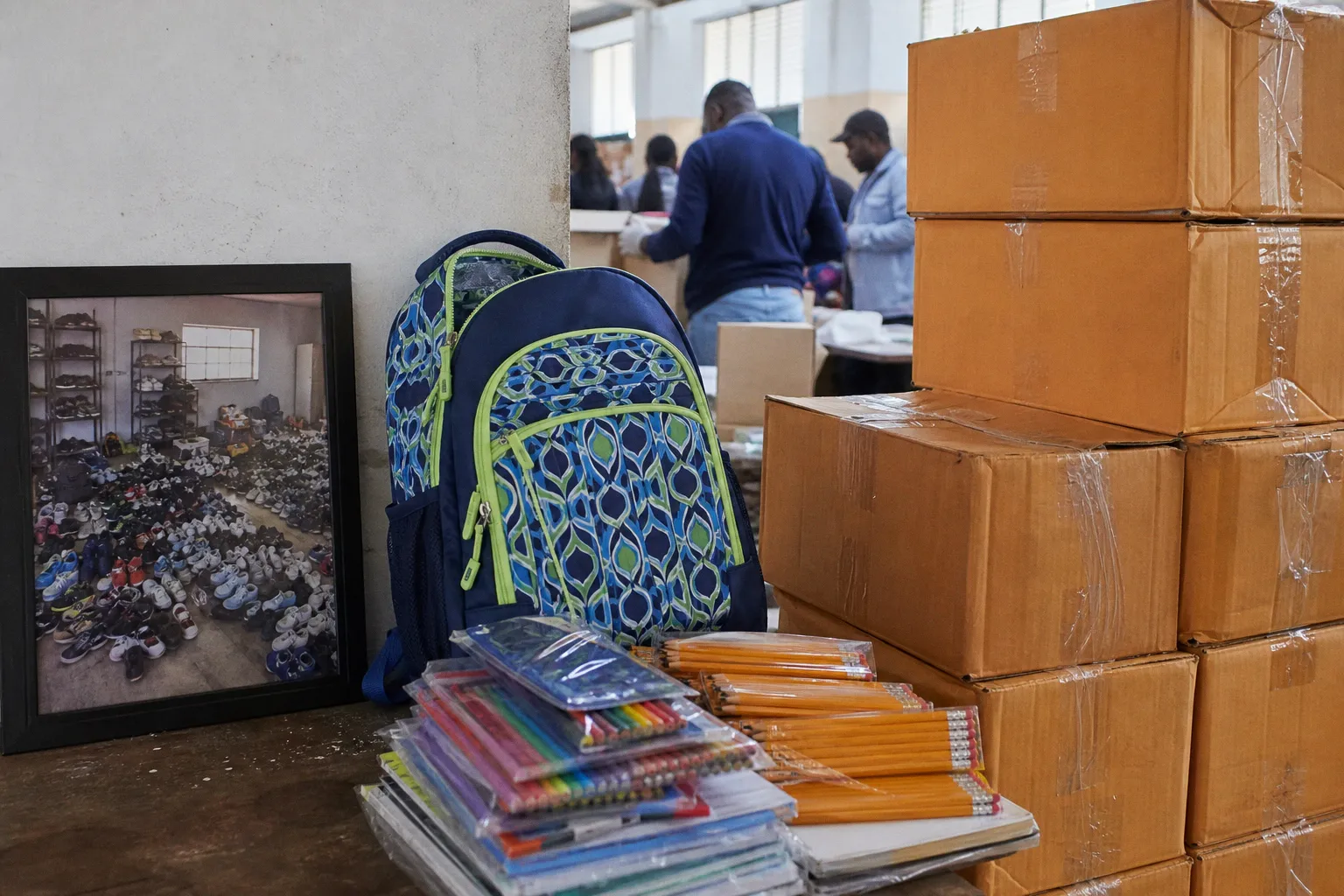
State Fairgrounds Ruth Butler Building from 3:00 p.m. to 5 p.m. on Sunday. For anyone running a school-rider supply chain, the logistics are the story: 1,400 people served last year across multiple counties, pre-K through high school seniors, all sorted in a two-hour window by a church-led volunteer coalition.
The logistics that actually move
The kit list reads like a manifest: backpacks, school supplies, new shoes, haircuts, hygiene items, books, household products. Director Paul Culbertson, lead pastor at Wellspring Community Church, built the operation around a no-questions-asked intake—no address checks, no bank-account verification. "Just come, come and let us serve you," he told WLUC.
That intake model is the load-bearing wall. No paperwork means no bottleneck. It also means partner churches, businesses, and nonprofits can feed the pipeline with donated goods without routing through a bureaucratic intermediary. For our network planning supply runs into rural blocks, the takeaway is straightforward: pre-pack kits by grade band, stage them at a single anchor building, and keep the door open exactly as long as it takes to clear the queue. Last year's run cleared 1,400 across multiple counties—proof the chassis holds at scale.
The wider signal
This isn't an isolated event. WKRN News 2 flagged a separate nonprofit school-supply drive this week; Inquirer.net reported Mandaluyong pupils receiving supplies with a sponsor eyeing K-12 scholarships; The Whistler Newspaper covered a Kaduna enrollment push targeting 100,000 out-of-school children. Different geographies, same chassis: community-funded, volunteer-staffed, built to move goods and kids into classrooms before the first bell rings.
The Mission of Hope model is nine years old. The Kaduna enrollment drive and the Mandaluyong scholarship track are newer, but the throughline holds—local anchors, donated goods, low-friction intake. What changes is the terrain and the partner stack. What doesn't change is who shows up at the door.
Field checklist
Before the next ride-out, lock these down:
- Kit inventory sorted by grade band—pre-K through senior high, not one-size-fits-all.
- Single anchor location, drive-through layout if the lot allows it.
- Two-hour target window with volunteers pre-briefed on station roles.
- Partner roster locked 72 hours out: churches, shops, local NGOs, rider groups.
- No-proof intake policy posted at the door and signed off in advance.
- Backup stock staged off-site for re-up during the run, not after.
Culbertson started the program because he was once the kid waiting on those supplies. We don't need the backstory to run a clean operation, but it's a fair reminder that the gear matters less than whether the door is actually open.