Project ANAIM Brings Foundational Literacy to Indigenous Women in Remote Guyana
According to Village Voice News, Food For The Poor Guyana rolled out Project ANAIM out of Massara Village — bankrolled by the Greater Guyana Initiative — to put foundational literacy and numeracy…
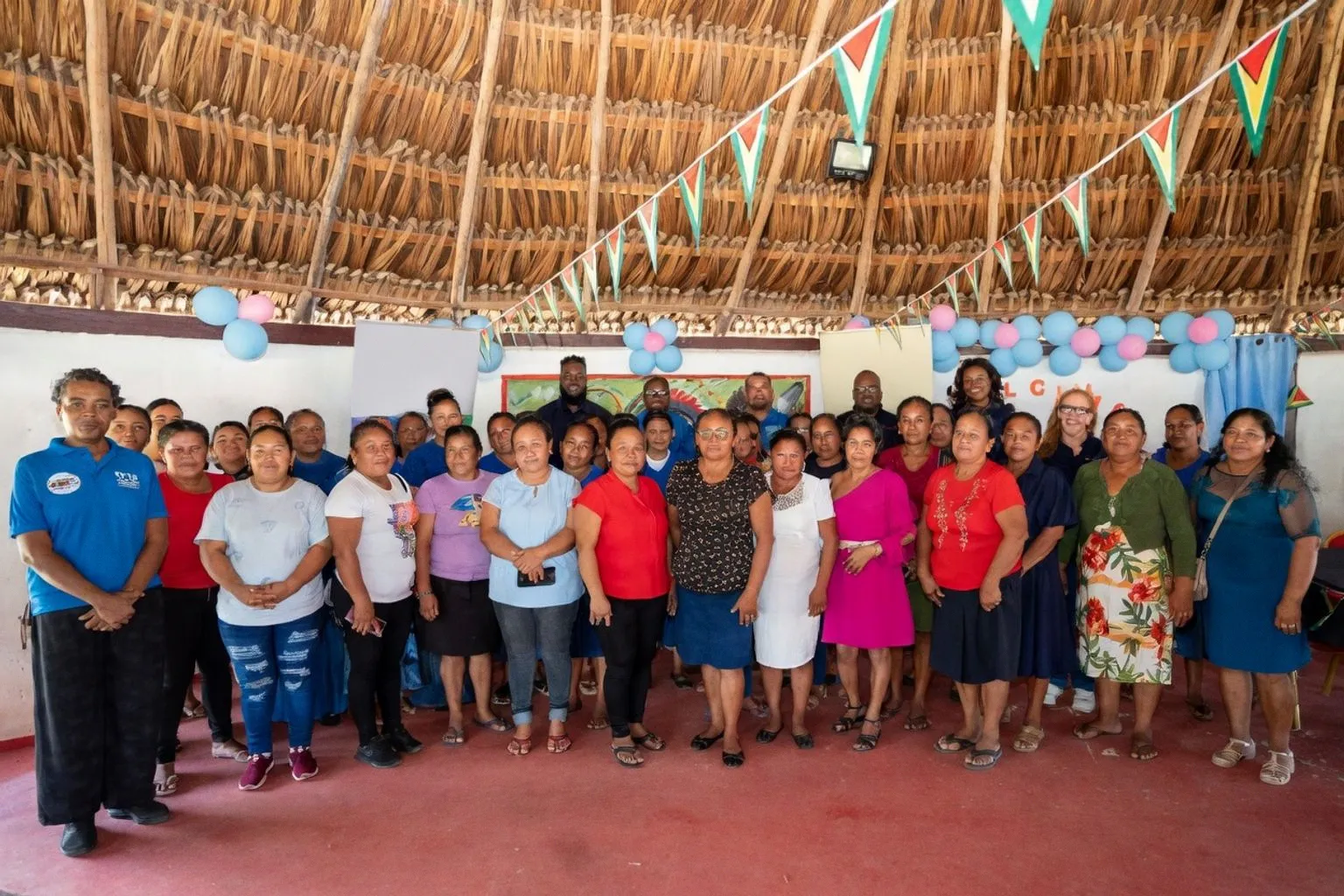
According to Village Voice News, Food For The Poor Guyana rolled out Project ANAIM out of Massara Village — bankrolled by the Greater Guyana Initiative — to put foundational literacy and numeracy training in front of 90 Indigenous women scattered across five remote communities. It's a narrow target, a tight operational line, and the kind of grassroots classroom work our crew tracks when the job is rebuilding access from the dirt road up.
For readers running volunteer biker networks and small NGO routes, this is a signal worth reading — not a story to romanticize.
The Logistics on the Ground
Massara Village is the anchor point. Five communities means five access routes, five weather windows, five local coordinators to align with before the first primer gets opened. The cohort is 90 women — that's the entire bench for this phase. No expansion targets, no projected multipliers, just 90 slots divided across five villages. Greater Guyana Initiative writes the check; Food For The Poor Guyana runs the classroom. That's the chain of command as it currently stands.
The training itself is foundational literacy and numeracy — not certification tracks, not vocational stacking, just the bottom rung: reading, counting, functioning inside a system that assumes you can do both. For Indigenous women in remote Guyana, that rung has been missing long enough that the gap shows up everywhere else downstream.
Why It Maps Onto Our Routes
We cover rural classrooms, two wheels at a time, mostly in India. Guyana is outside our usual routing. But the mechanical problem is identical: how do you deliver structured education to a population that lives hours from the nearest functioning school, in communities the state budget barely reaches? That is the question our volunteer networks keep solving the hard way.
Project ANAIM is solving it the institutional way — named NGO, named funder, fixed cohort, fixed geography. If those four variables hold, the next variable to watch is materials logistics. Workbooks and primers don't ride themselves into Massara. Someone is hauling them, and that someone has a route to plan, a fuel budget, and a rainy season to dodge.
What We Watch For
Retention is the first wall. Ninety women enrolled is not ninety women finishing. The dropout curve in adult literacy tracks with distance, child care, and whether the local coordinator is still showing up in month three. Second wall is measurement — foundational literacy needs a clear baseline and a clear endpoint, otherwise the funder has no reason to renew. Third is replication: if Phase One proves out across five villages, does Phase Two scale to ten, or does the model collapse once the easy wins are spent?
None of that is in the launch announcement. It never is. But if ANAIM posts numbers six months out — cohort retained, baseline gains documented, materials restocked — we treat it as a working template for any biker crew or small NGO staring at a similar map and a similar shortage of paved roads.