Integrating Indigenous Knowledge into Tribal Education Projects
According to The Hindu, NITI Aayog member Balasubramaniam visited the Karnataka Tribal Research Institute in Mysuru to review tribal welfare initiatives and pressed the case for documenting…
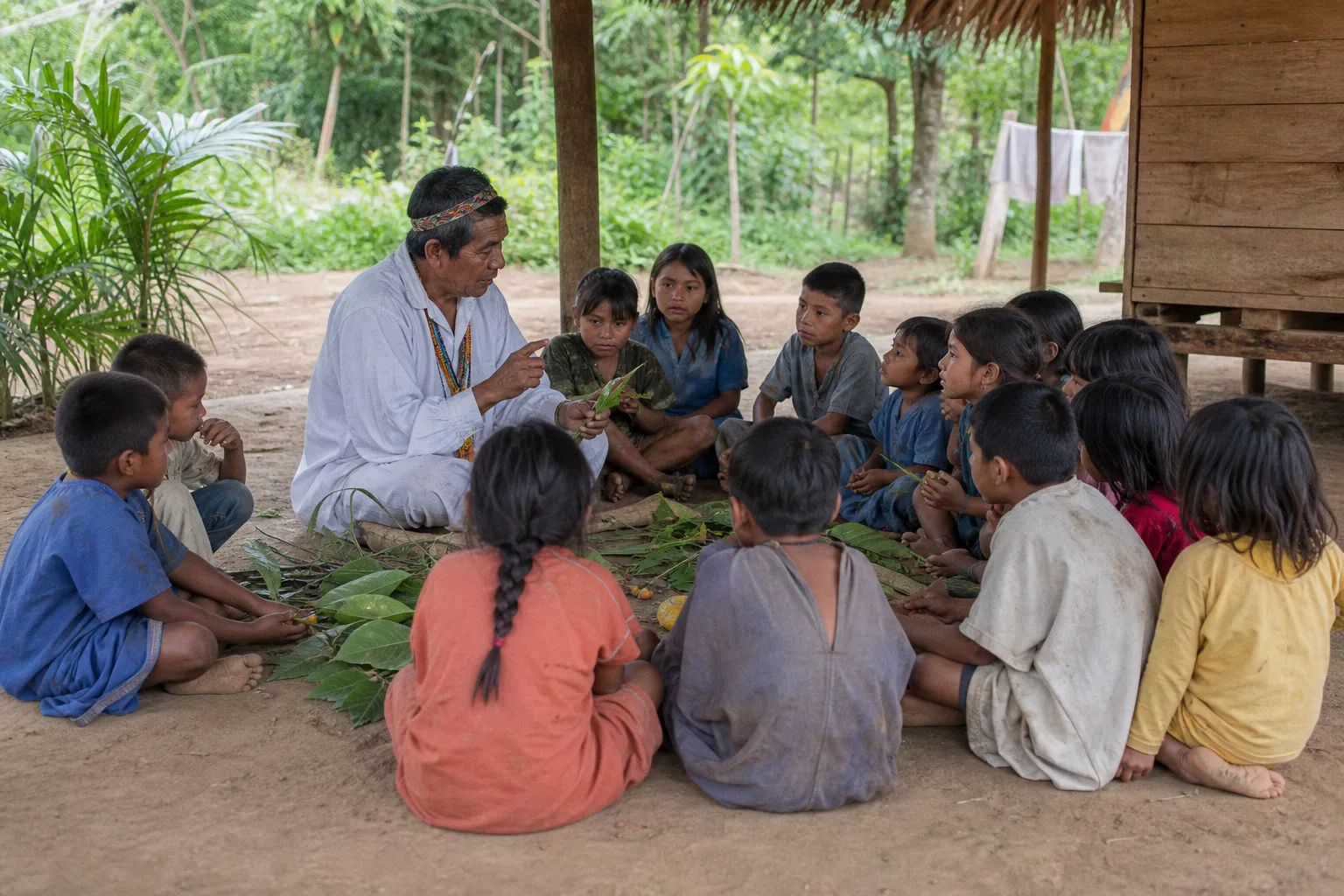
According to The Hindu, NITI Aayog member Balasubramaniam visited the Karnataka Tribal Research Institute in Mysuru to review tribal welfare initiatives and pressed the case for documenting traditional knowledge, customs and languages. That is the useful part for teams working around rural schools: a classroom rebuild can be hauled in, anchored and handed over, but local knowledge is easier to lose than a roof sheet.
For rider networks and education volunteers, the signal is plain. Do not treat tribal-support work as a generic school-upgrade run. Before we load materials or schedule a teaching activity, we need to know what language is used, what knowledge already sits with the community, and who is trusted to carry it forward.
Documentation has to reach the classroom
Balasubramaniam’s visit put the focus on records: traditional knowledge, customs and languages. The hard operational question is what happens after the record is made.
A notebook, a filmed interview or a language list is not automatically a school resource. We need to check whether teachers can use it, whether community members want it shared in that form, and whether the material can be maintained after a volunteer convoy leaves. If those answers are missing, do not bolt a “heritage” component onto a school project just to fill a report.
The work starts with listening. Identify the language used by children and teachers. Ask what customs or local knowledge the community itself considers important to preserve. Then set a small, workable handover point: material that stays with the school, a person who can explain it, and a clear route for updating it.
The training link is already visible
In Sikkim, the Tribal Research Institute and Training Centre under the Social Welfare Department has begun a five-day training-cum-workshop for tribal language teachers. The stated aim is to preserve, promote and transmit tribal communities’ linguistic and cultural heritage.
That is a separate initiative, but it marks the part many field plans skip: the teacher is the load-bearing member. We can haul books, repair a room and set up equipment. None of it carries far if the people running lessons have no usable material or training path.
For volunteer biker groups, this narrows the job. Support should not stop at supplies. When a route touches a tribal-area school, map the local institutional contact before arrival. Check whether a tribal research or training body is active. Check whether teachers are already working with language or cultural material. Do not duplicate a programme we have not bothered to understand.
Before the next ride
Keep the checklist short:
- Confirm which community voices should guide the work.
- Ask what can be documented, taught or shared—and what should not be.
- Anchor any donated learning material to a teacher or local institution.
- Separate a one-day delivery from a programme that needs follow-through.
- Do not promise cultural preservation from the saddlebag.
The visit in Mysuru is not a project announcement. It is a reminder of the weak joint in many rural education efforts: we can reach the school, but still bypass the knowledge that gives that school its footing.