Partnering with UNICEF for the Territórios Conectados Digital Education Initiative in Brazil
According to fundsforNGOs, UNICEF is seeking a partner organization in Brazil to plan and run the Territórios Conectados project in Piauí.
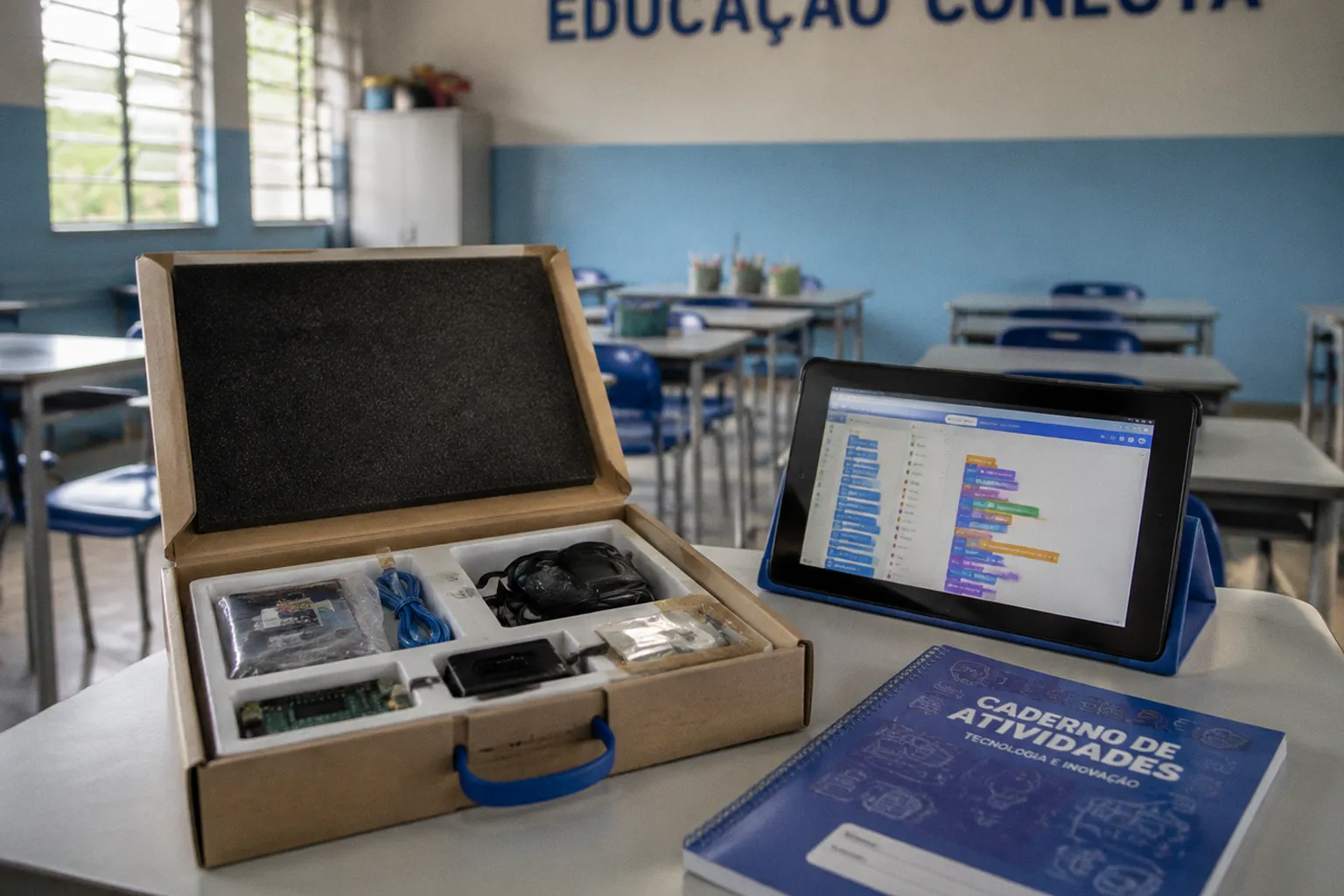
The work is built around digital education and fundamental learning, with delivery tied to public education authorities, teachers, students, community organizations, and local leaders. For operators on the ground, this is not a device-drop project. It is a 12-month system job with policy, training, connectivity, and classroom use tied together.
The load is bigger than hardware
The selected organization will work across three connected fronts.
First comes policy and system support. The partner is expected to coordinate with education secretariats and help develop or strengthen digital education policies. The project target is 12 education secretariats with defined digital education policies during the implementation period.
Second comes workforce capacity. Teachers and education managers are to receive training aimed at building digital and pedagogical skills. The stated target is 2,000 trained participants. That means the partner will need to move beyond a one-day workshop model. Training has to connect with the tools, materials, and classroom routines used later.
Third comes direct work with educators and students. The project plans technology-mediated learning experiences for 10,000 students. These activities are intended to support fundamental learning while building a stronger digital culture in participating schools.
The partner will also help develop or adapt five digital pedagogical materials. Those materials are expected to support learning objectives and help teachers and students use technology for instruction rather than treating technology as the objective.
Where the route gets rough
UNICEF’s project description gives special attention to indigenous, quilombola, and rural communities. That changes the operating plan. A standard urban school package will not automatically fit every territory, and the project calls for culturally relevant educational practices and local coordination.
The organization will need to work with education secretariats, educators, students, community groups, and local leaders. It will also support evidence generation, public-policy advocacy, and connectivity initiatives. The practical point is simple: the work is expected to produce usable evidence about learning and digital competencies, not just activity reports.
Connectivity is part of the route, but the available information does not specify the equipment model, network standard, procurement budget, or local infrastructure requirements. Applicants should not fill those gaps with assumptions. Before committing vehicles, trainers, devices, or field teams, they need the formal application documents and the complete scope of work.
What applicants should verify
The available report confirms the project location, broad duties, implementation period, and headline targets. It does not provide an application deadline, eligibility checklist, award amount, submission channel, or selection timetable.
That missing data is the first inspection point. We should verify:
- whether the organization must already operate in Piauí;
- which education secretariats and schools are in scope;
- how the 2,000 teachers and managers will be selected;
- how the 10,000 students will be reached and measured;
- what UNICEF defines as a completed digital education policy;
- who supplies devices, connectivity, platforms, and technical support;
- what evidence and reporting formats are required;
- how the five digital materials will be approved and adapted locally.
Do not torque the plan around the targets alone. The hard part is the interface between policy, school management, teacher practice, community consent, and working connectivity. Until the official application package confirms the route, treat this as a partnership opportunity with a defined direction—but not yet a complete operating map.