Brazil Launches Permanent Education Fund for Amazonian Indigenous Communities
Reuters is reporting that President Lula signed a decree locking in a permanent fund for bilingual education and school construction inside Amazon indigenous territories.
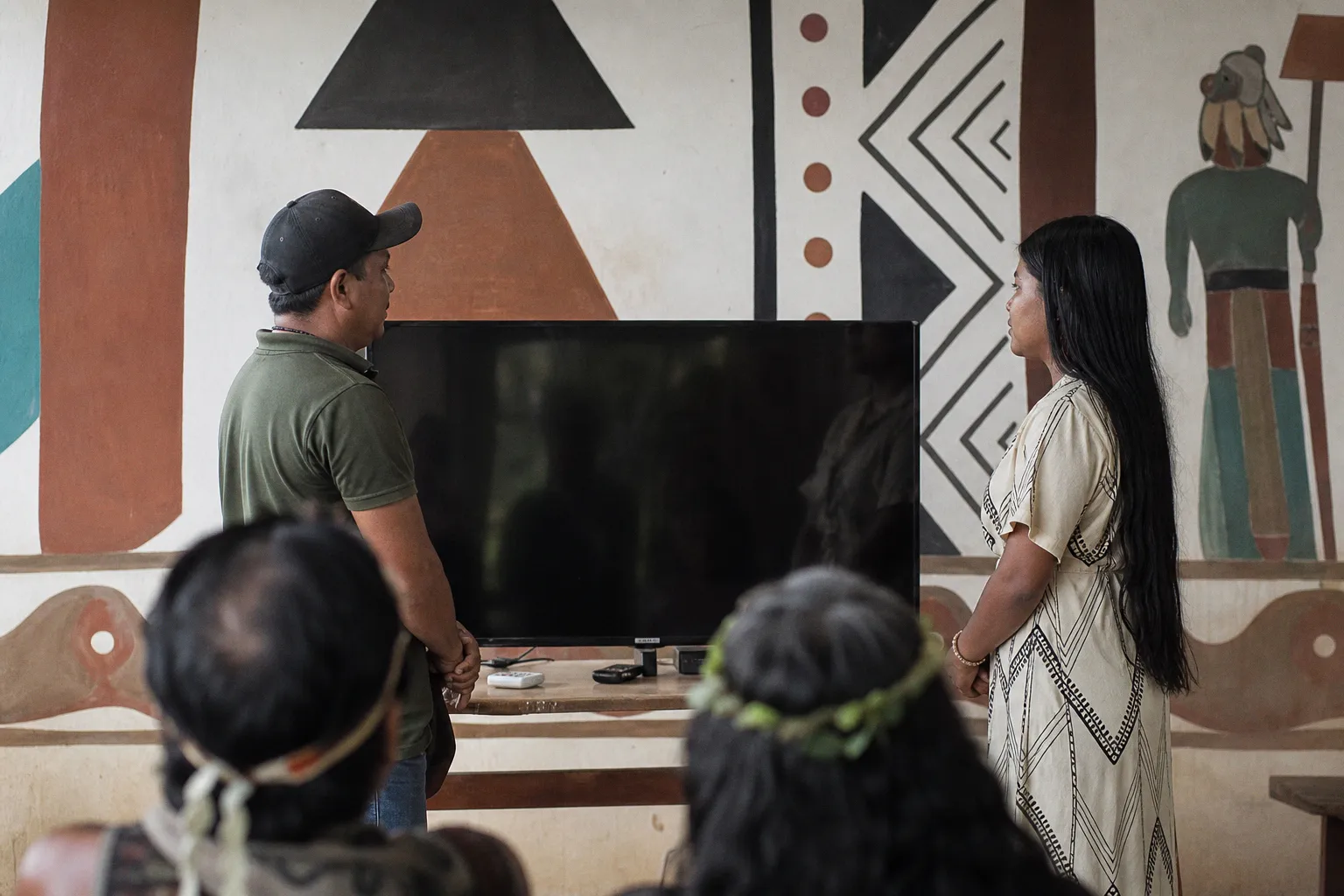
The stated play: keep tribal kids learning on their own land instead of pulling them out. For crews like ours, this is the kind of structural change that rewrites the route map for the next decade.
What the decree actually does
The mechanism is a permanent fund. Not a pilot. Not a grant cycle. Permanent. Bilingual curricula and school construction sit at the top of the line items, both scoped to indigenous territories inside the Amazon basin. The framing from Brasília is access without displacement — kids stay on ancestral land, the state carries the build cost.
Reuters filed the wire on July 23. We don't have the full text in front of us, so the operational details — disbursement schedule, which ministry runs it, how the construction contracts are tendered — are still unconfirmed. Watch the official gazette for the annexes before you read anything into the headlines.
Why it lands on our map
We work a different continent. Different terrain, different language politics, different ministry names. But the chassis is identical: a central government deciding indigenous education is a permanent line item, not a charity drive. Bilingual instruction means the curriculum is built around the community, not bolted on after. School construction inside the territory means no boarding-school pipeline pulling eight-year-olds hundreds of kilometers from home.
That's the friction our own networks burn half their fuel budget fighting — schemes that fund the bus, not the school. A permanent, territorially-scoped fund is the opposite move. It anchors the building where the kids already live.
What to track from here
Two things. First, the implementation rules. A fund on paper is just a number; the disbursement mechanics decide whether a school gets built in two years or twelve. Second, the parallel moves elsewhere. CBC reports Canada just pushed new federal legislation shifting First Nations child welfare funding to indigenous governing bodies, with educational support provisions attached. Two countries, same direction, same week. The pattern matters more than either decree alone.
For volunteer biker networks running school material hauls or rebuild convoys, the read is simple: when the state starts building, the volunteer logistics layer has to pivot. Fewer raw-material runs, more teacher support, more last-mile distribution. Route recalculation, not mission change.