How Community-Led Data Mapping Transformed Social Services for the Sama Bajau
According to the United Nations Sustainable Development Group, a community-led initiative in Surigao City, Philippines, helped Sama Bajau families secure permanent stilt housing, establish a learning…
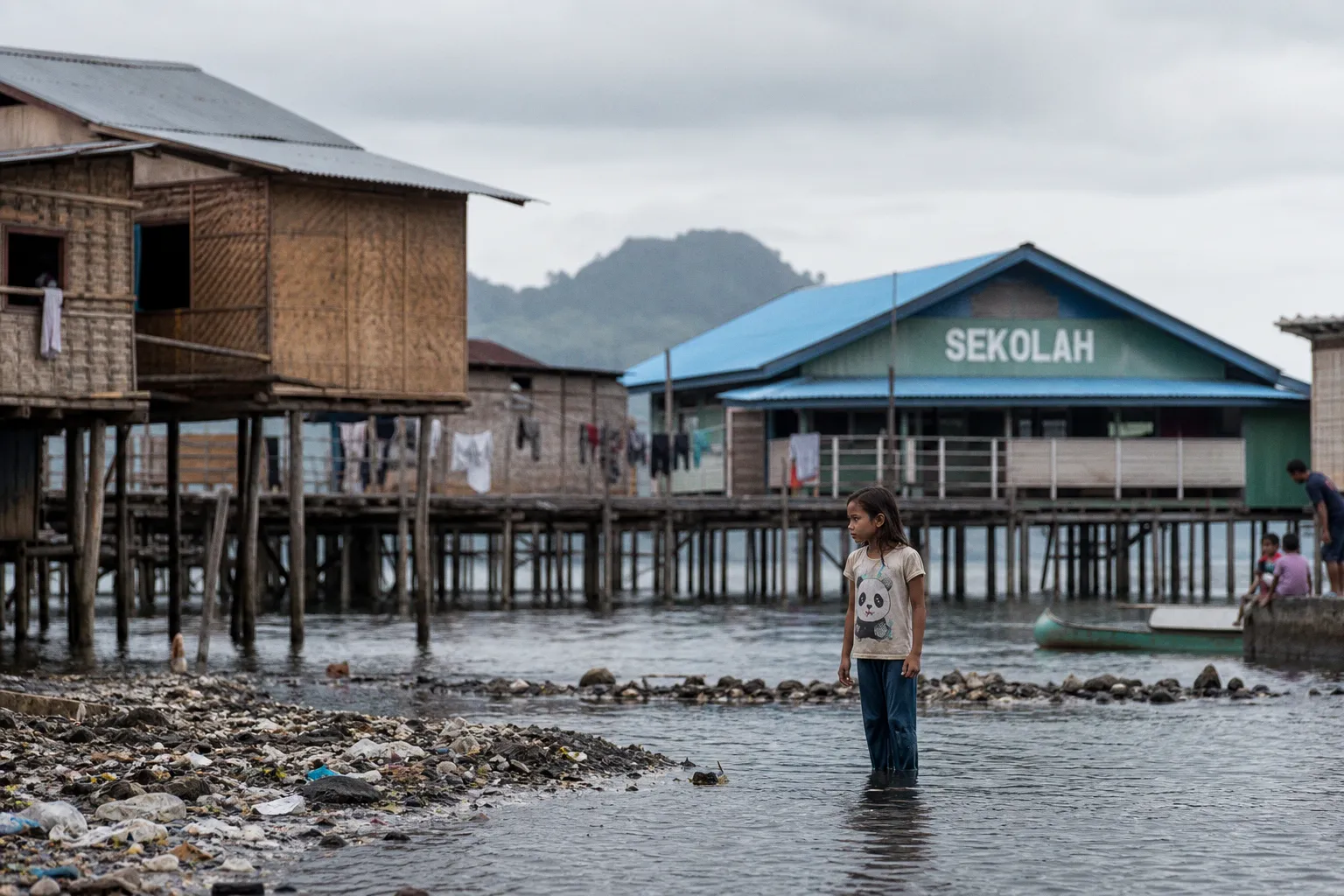
According to the United Nations Sustainable Development Group, a community-led initiative in Surigao City, Philippines, helped Sama Bajau families secure permanent stilt housing, establish a learning center, and gain a place in local planning. The important part is not the ribbon-cutting. It is the route used to get there: families documented their own housing, education, livelihood and basic-service problems before agencies committed to a response. For crews working around rural schools, that is the part worth carrying forward.
The failure was in the map
Many Sama Bajau families in Surigao have a long sea-based tradition. Coastal living also puts them in the path of typhoons, flooding and other climate hazards. The UN says these pressures have contributed to food-price increases, limited access to suitable shelter, and difficulty enrolling children in school and keeping them there.
That creates a familiar field problem. A school project can look simple on a plan and fail on the ground because the plan does not match the settlement. If families are moving between unsafe housing, unstable income and weak access to services, a classroom alone does not close the route to education.
The Surigao initiative started with evidence from the households themselves. Eighty Sama Bajau and informal settler families were supported in assessing their living conditions. They built household profiles covering housing, education, livelihoods and access to basic services. That gave residents a structured way to state where the system was failing and gave local authorities a clearer record of the gaps.
We should note the distinction. This was not presented as a technology-first education programme. It was a coordination job anchored in local data.
Anchor the response to the families
The Localize to Realize joint programme connected Surigao City, barangay authorities, national agencies, universities, civil society and businesses. The UN Resident Coordinator’s Office brought the agencies and partners together. UN-Habitat contributed work on inclusive settlements, housing and local planning. UN Women helped ensure that women’s experiences and priorities entered the household monitoring and decision-making process. The programme was financed through the Joint SDG Fund.
The reported result was a combined response: permanent stilt housing, a new learning center and representation in local planning. The UN describes the process as converting community-generated data into services, plans and policy changes.
For riders and volunteer builders, the operating lesson is direct. Do not haul materials before the settlement is understood. First identify who lives there, what keeps children out of school, which access routes fail, and which local authorities or community bodies must hold the work after the crew leaves. A classroom placed without that chain of responsibility is only a new structure waiting for the same old failure.
The Surigao model also shows why housing and education cannot always be separated in exposed coastal communities. If shelter is unsafe and basic services are out of reach, attendance becomes a logistics problem before it becomes a teaching problem. The learning center matters, but the surrounding support system carries the load.
What to check before we build
The UN account gives us a practical sequence for similar work:
- Profile the households first. Record housing, education, livelihoods and basic-service gaps with the community, not around it.
- Separate the needs. Do not treat a school, shelter and planning seat as one interchangeable project. Each requires a responsible institution.
- Anchor the build locally. Surigao City and barangay authorities were part of the process, alongside national agencies and other partners.
- Include women’s priorities in the record. The programme used household monitoring and decision-making to bring those priorities into the response.
- Confirm the handover route. The evidence must lead to services, plans and policy—not just a completed structure.
We should not copy the surface. Stilt housing is tied to this community’s coastal setting and long sea-based way of life. The transferable part is the method: profile the ground, let residents define the failure, then torque the agencies into one coordinated plan.
Before the next load leaves the yard, check the data, the access, the authority and the handover. If one is missing, bypass the build phase. The road will expose it later.