Kenya Scales Up Education Infrastructure and Equity Through Targeted National Programmes
Kenya's Basic Education Ministry has laid out its progress on three major programmes aimed at fixing equity gaps, building science labs, and expanding school infrastructure across the country.
Kenya's Government Doubles Down on School Infrastructure and Equity — What the Rest of Us Can Bolt onto This
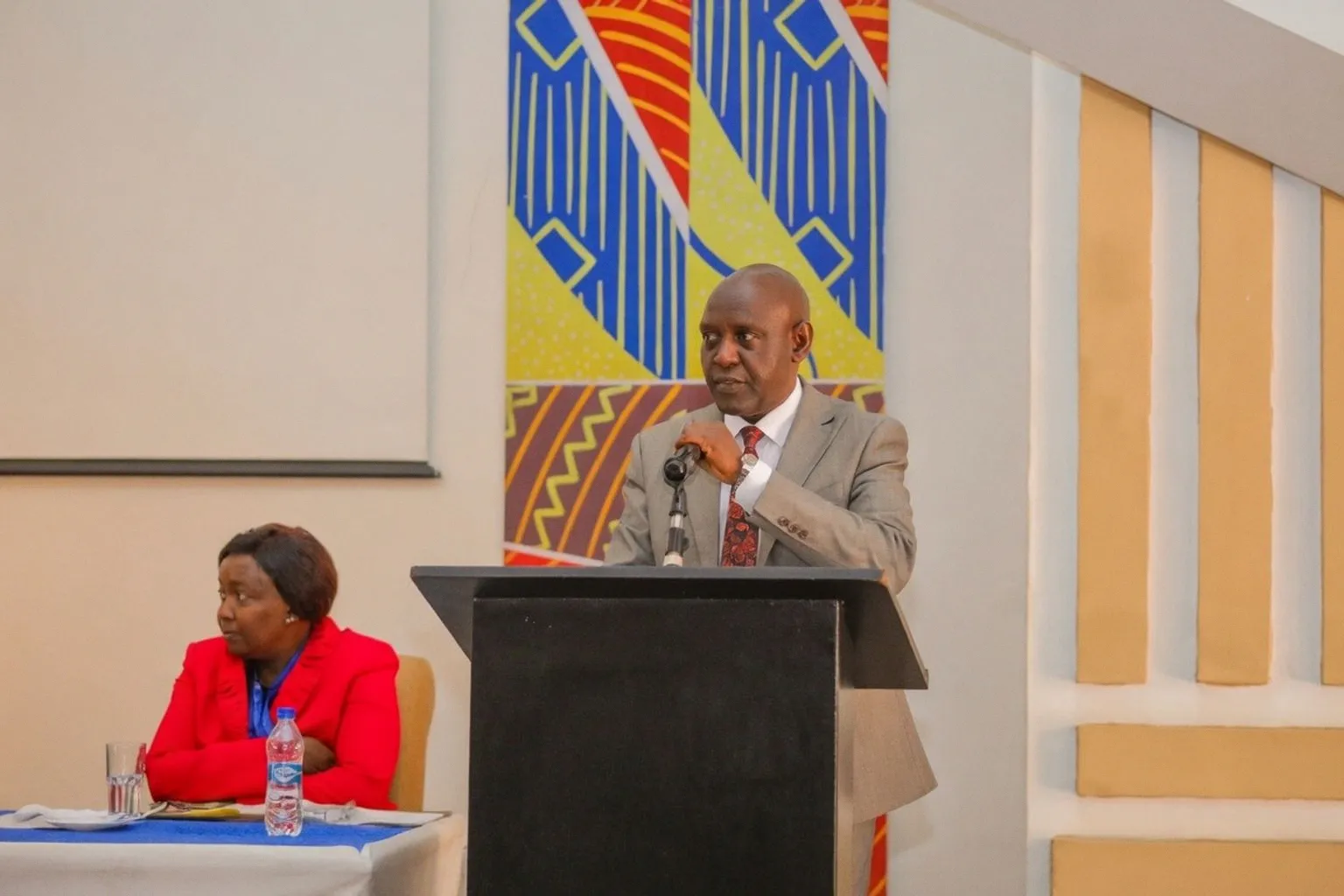
Basic Education Principal Secretary John Ololtuaa detailed the work under KPEEL, SEEQIP, and a Nyamira County infrastructure project during a joint steering committee meeting at the Kenya Institute of Curriculum Development. For those of us hauling concrete and rewiring classrooms in neglected government schools — whether in rural India, Balochistan, or anywhere else the system has stalled — this is a policy blueprint worth cracking open and stress-testing.
What Kenya Is Actually Building
Three programmes, three load-bearing walls. KPEEL (Kenya Primary Education Equity in Learning) targets primary-level access and equity, with a teacher-training component that feeds career guidance into Junior School pathways. SEEQIP (Kenya Secondary Education Equity and Quality Improvement) is expanding science laboratories in Senior Schools and introducing virtual labs at the Junior School level — a direct investment in hands-on science education under Kenya's Competency-Based Education curriculum. The third programme, DSINCP, is infrastructure work in Nyamira County: building out school capacity, cutting overcrowding, creating the physical floorplan CBE needs to function.
Ololtuaa also flagged commitments around learners with Special Education Needs — assistive devices, Education Assessment and Resource Centres, curriculum review — and stressed safeguarding standards across all three programmes. That last part matters. Building walls without building protection protocols is how we end up back at square one.
The Pattern We Keep Seeing
This cluster of stories isn't just a Kenya headline. Balochistan's education drive is reportedly reviving schools and expanding access for thousands of children. India's government school divide is under fresh scrutiny, with Counterview highlighting the gap between policy promises and ground reality. The Philippines is framing educational access as a step toward inclusive opportunity. Same diagnosis across four countries: public school systems that were underfunded, underbuilt, and under-maintained now face pressure to deliver competency-based, inclusive education — and the gap between the plan and the dirt road is enormous.
We know that gap. We torque bolts into it every weekend.
What We Check Before We Trust the Blueprint
Kenya's rollout sounds structured — committee oversight, curriculum-aligned infrastructure, special-needs provisions. That's the plan on paper. Here's what we'd want to verify before modelling anything on it: actual completion rates on the science labs, not just the announcement. Whether virtual lab rollouts have the bandwidth and hardware to run in rural areas, or whether they're metro-only solutions. How DSINCP's Nyamira buildout handles maintenance funding after the ribbon-cutting. Whether safeguarding standards carry enforcement teeth or sit in a binder on a shelf.
For our crews rebuilding Indian government schools, the takeaway is tactical. When a national government puts equity, infrastructure, and inclusive design into the same programme, it validates the exact work grassroots networks are already doing — just without the bureaucratic steering committee. The risk is that top-down programmes crowd out community-led repair crews or set standards that exclude the kind of patch-fix, immediate-need work that keeps a village school open while the big project crawls through procurement.
The Checklist
- Monitor: Whether Kenya's KPEEL and SEEQIP disbursements reach county-level implementation or stall at the national committee.
- Cross-reference: India's own equity programmes against the Counterview critique — are the same gaps repeating.
- Borrow: The assistive-device and EARC model for special-needs inclusion; it's a component most grassroots rebuilds skip.
- Flag: Any policy that mandates infrastructure standards without pairing them with maintenance budgets — that's where good builds go to die.
We don't romanticise the paperwork. But when four countries hit the same wall at the same time, we read the signals. The infrastructure deficit in public education isn't a local problem anymore. It's a pattern. And patterns have repeatable fixes — if we torque them right.