Bridging the Digital Divide in Rural Maharashtra Schools
The wires are quiet on Maharashtra's rural classrooms, but the problem isn't. We're seeing projects elsewhere hit the same wall: no stable power, no pipe, no digital tools.
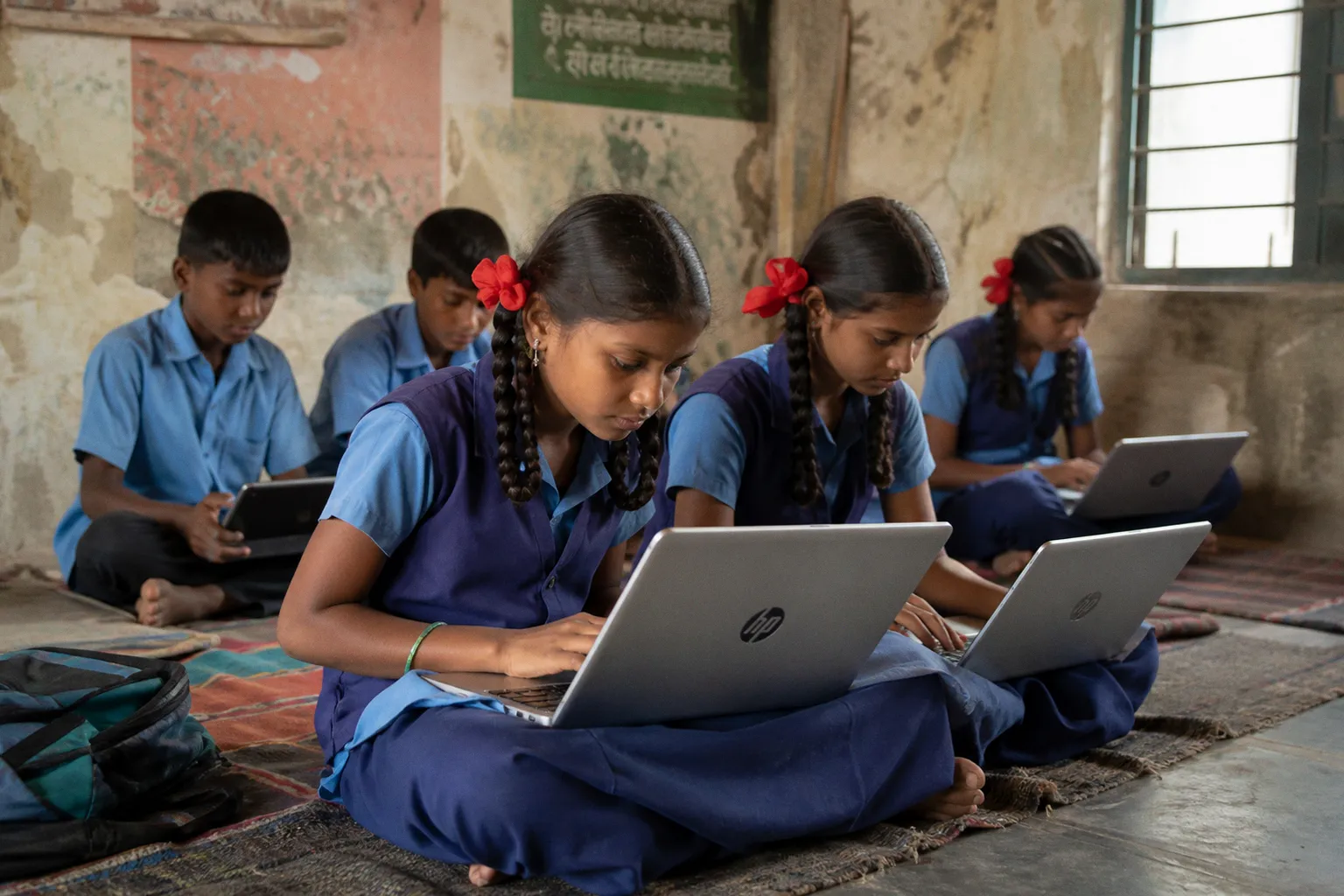
What Sabah and Marion County are doing offers a direct map for any crew trying to get a signal and a lesson plan out to the last mile.
The Infrastructure Problem: Satellite Over Copper
Forget waiting for fiber. A Malaysian state just plugged 177 schools into Starlink, including 10 in Keningau's rural and island zones. The requirement is simple: electricity. Once that's anchored, high-speed internet arrives without the years-long hold-up of trenching cable. For builders scouting Maharashtra's villages, this is the baseline check. Locate a power source, and you've located a potential connectivity point. The digital gap narrows one mount and dish at a time.
The Funding Mechanism: Grants on the Ground
Connectivity is just the pipe. What flows through it needs tooling. Over in Ohio, the 2026 TEACH Grants are pumping resources directly into engineering, arts, and literacy projects for local schools. This is the operational model: identify the specific deficit—whether it's devices, content, or teacher training—and secure targeted capital to address it. No sweeping overhaul, just focused deployment. For our work, it means bundling proposals that link connectivity hardware with practical curriculum upgrades.
The Operational Reality: Friction Points to Note
The initiative in Sabah is paired with the Google Educator BEST Programme. That's the key. You can't just haul a dish to a rooftop and call it mission complete. The infrastructure demands a crew who can torque the bolts and another who can train the teachers. It’s a two-part logistics chain: hardware deployment and human capital development. Skipping the second part leaves you with a expensive ornament on the roof and a teacher in the classroom still writing on a chalkboard.
Bottom line: The route to digital literacy is paved with specific, actionable steps. First, secure and power a satellite receiver. Second, lock down a grant that covers devices and teacher training. Third, run the installation and the educator program in parallel, not in sequence. The gap won't close with talk; it closes with a power drill, a funding proposal, and a lesson plan that works offline. Check your local grid and your grant portals.