Beyond the Backpack: Addressing the Real Infrastructure Gaps in Global Education
UNICEF has rolled out its "Back to School, Back to Learning: Building Strong Foundations for Every Child" campaign, and the supply chain underneath that headline is exactly the friction we know from the road.
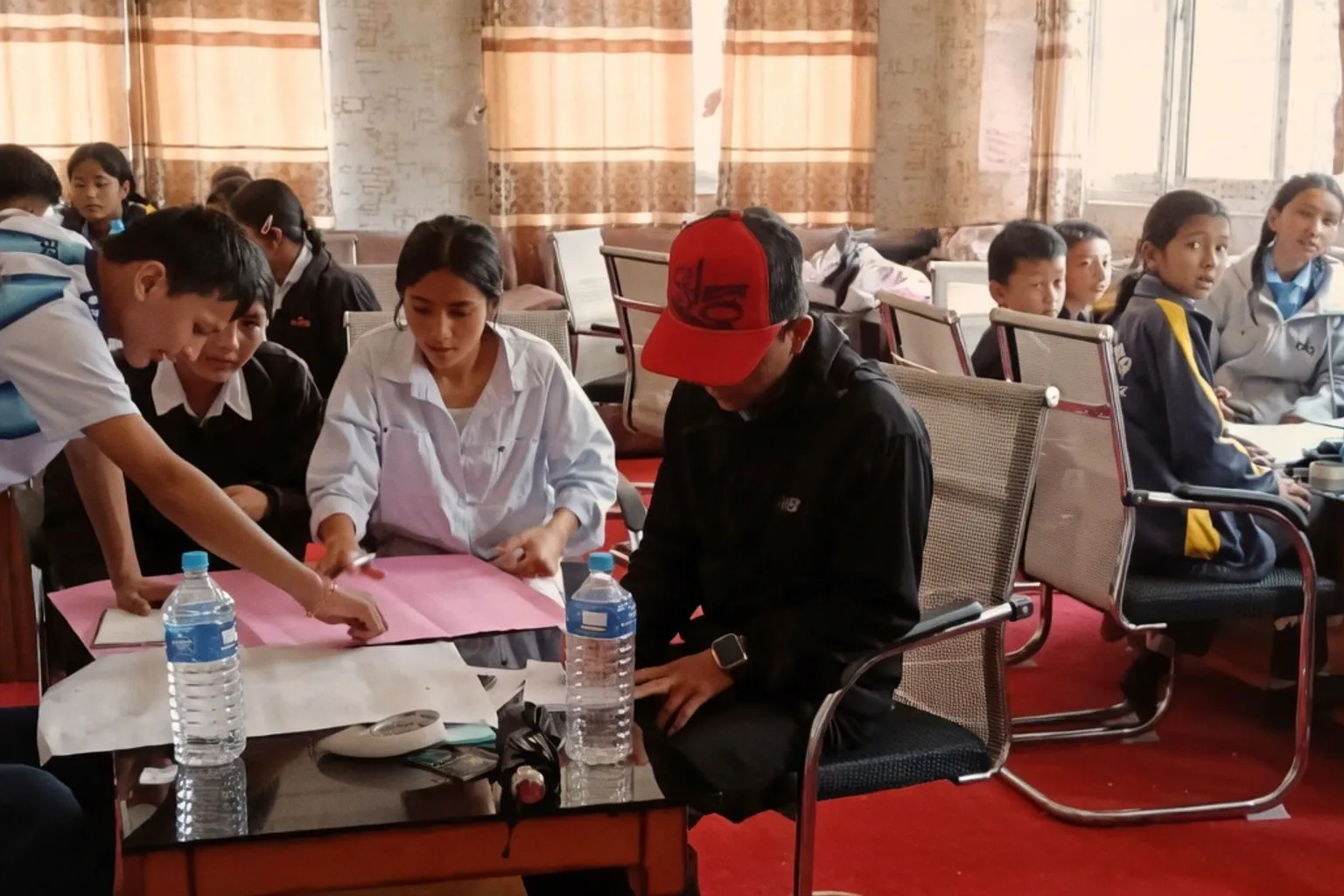
Three other dispatches this week — a Nigerian foundation moving over 200 back-to-school packs to orphans and persons with disabilities, a special needs school in Kwale, Kenya appealing for help as infrastructure gaps hamper learning, and a three-year ILO follow-up from Nepal's Pauwadungma Rural Municipality — hit the same pressure points from different angles. For the crew, this is the term-opening briefing.
Packs Don't Fix Buildings
A foundation in Nigeria distributed more than 200 back-to-school packs to orphans and persons with disabilities, according to The Guardian Nigeria. Textbook supply run: books, uniforms, the kit that gets a child through the gate. Useful. Necessary. But Kwale's Special Needs School in Kenya is making the louder point right now — infrastructure gaps are hampering learning. You can hand a kid a bag and still fail them if the classroom is unusable. Materials in, structure out is the wrong order. We have ridden into both situations; the first looks good in a photograph, the second keeps a term running.
The Nepal Receipts
The ILO follow-up from Pauwadungma gives us the only number set worth memorizing this week. The municipality has a child population of 2,398 and, after being declared a Child Labour Free Zone in 2023, now allocates roughly NPR 800,000 (about US$5,250) a year to support children at risk, plus a further NPR 1.3 million (about US$8,540) to strengthen child clubs and related programmes. Around 100 students received educational assistance in the follow-up period — scholarships, uniforms, stationery, school bags. Nine children had reportedly dropped out of school. Four came back through municipal intervention. The chain that brought them back is worth stealing: teachers, ward offices and municipal officials identify the reason for absence, contact the family, and support the return. That is a working pipeline, not a one-off drop.
What We Scout For
Three things, every route. First — is the building usable, or are we hauling materials into a structure that will fail the term anyway. Kwale is the warning. Second — does the local government have a follow-through budget line, not just a one-time donation. Pauwadungma's annual allocation is the template, and even the municipality acknowledges the resources do not yet cover all the needs. Third — who catches a kid when they stop showing up. A foundation can hand out 200 packs and call it done. A municipality with a teacher-to-ward-to-official chain can bring four dropouts back. That is the gap between a photo op and a term.
The road doesn't care about slogans. The classroom doesn't either. Pack the right kit, check the walls, know the follow-through — then roll.