Integrating Cultural Wisdom and Faith to Transform First Nations Education
More than 250 educators, school leaders and community members from across Australia and Aotearoa convened in the Toowoomba region last week for the 2026 Queensland First Nations Catholic Education…
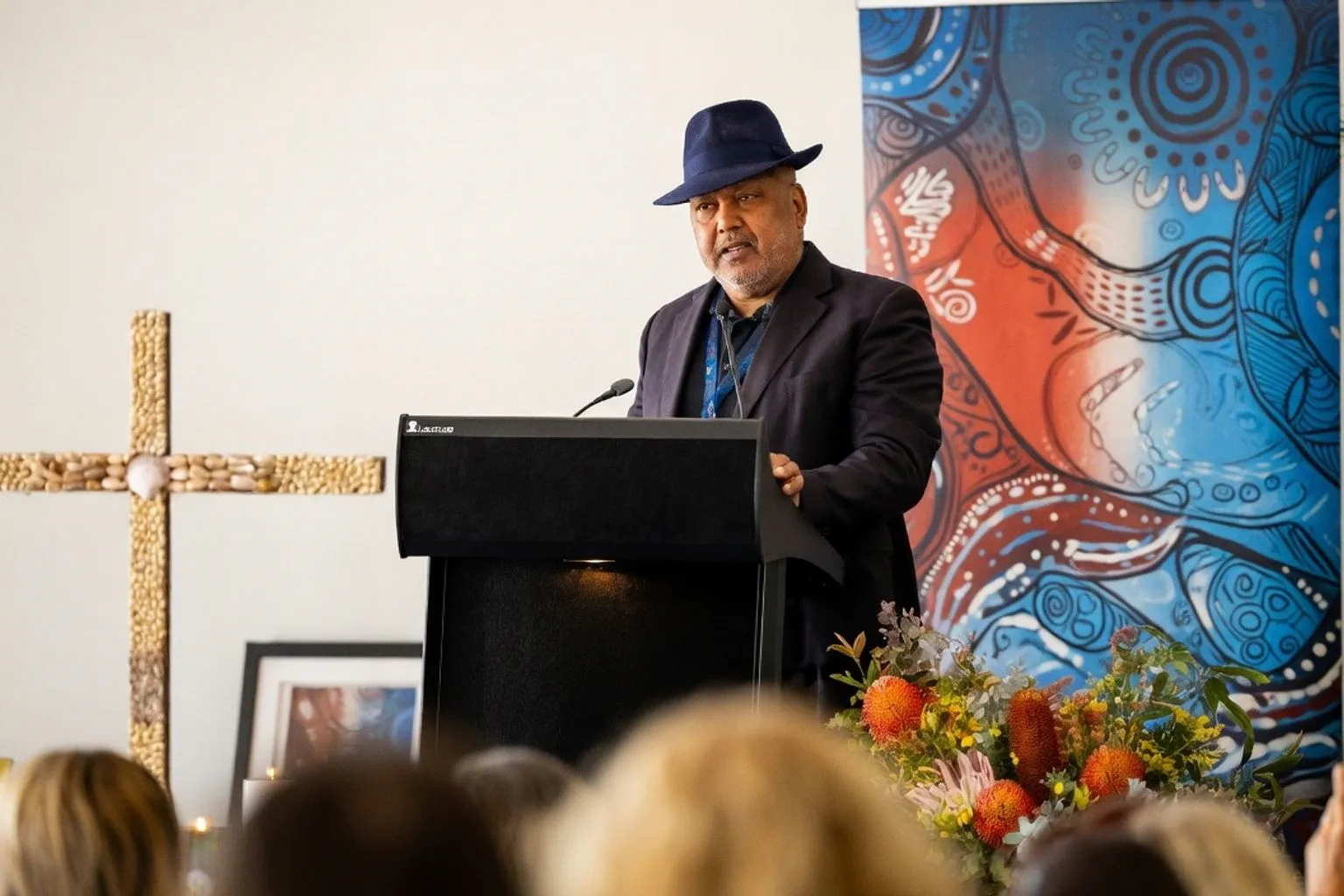
More than 250 educators, school leaders and community members from across Australia and Aotearoa convened in the Toowoomba region last week for the 2026 Queensland First Nations Catholic Education Conference, "Heart on Country," according to CathNews. The three-day run moved from the sacred Bunya Mountains — Booburrgan Ngmmunge, a site of significance for the Jarowair people — into Toowoomba proper for keynotes and workshops. The structural read: the organisers built the cultural foundation on the land first, then shifted the working sessions into the city. That sequence is worth studying.
Sequence of operations
The opening day was a cultural immersion at Booburrgan Ngmmunge, set against the Bunya Mountains in South East Queensland. Reflection, connection, cultural learning on Country — all before the working sessions started. Day two and three moved to Toowoomba for keynote presentations, workshops and networking. Pat Coughlan, executive director of Toowoomba Catholic Schools, framed the hosting as "a proud moment for the region" and called the event "a call to listen, to learn and to lead with heart." Tawana Carmody, First Nations Education Officer with Toowoomba Catholic Schools, said the land-based opening "invited us to walk together in respect, to reflect on the wisdom of First Nations peoples and to honour the stories, traditions and spirit that continue to guide First Nations education today."
The keynote spec
Noel Pearson — lawyer, founder of Cape York Partnership and Good to Great Schools Australia — walked delegates through the operating requirements. His brief, as reported by CathNews: schools must be responsive to First Nations students, recognise the cultures and histories they bring, and treat the classroom as a place that teaches every young person the full history of the country. "We need to be responsive to First Nations students and recognise the unique cultures, histories and perspectives they bring to our schools," Pearson said. That's not a framing line. It's a curriculum spec — and it sets the bar for any school that wants to keep the First Nations cohort in the room.
Marking the playbook
A second consultation on First Nations education policy is now open, according to The Educator K/12. The structural pattern here lines up with what most grassroots education mobilisations end up running: anchor the work in the place, name the history, pull the educators into one room, and keep the policy loop open. For crews working the ground on school rebuilding, the lesson is simple — conference programmes, policy consultations, and volunteer mobilisations all run on the same chassis. The country, the curriculum, the cohort, and the conversation. Miss one and the rest doesn't hold.