How Tripura’s Village Development Plan is Transforming Tribal Infrastructure
According to Tripura Star News, Phase-I training has wrapped in 38 Village Committees and Phase-II in 24, with 1,338 participants through the chairs so far.
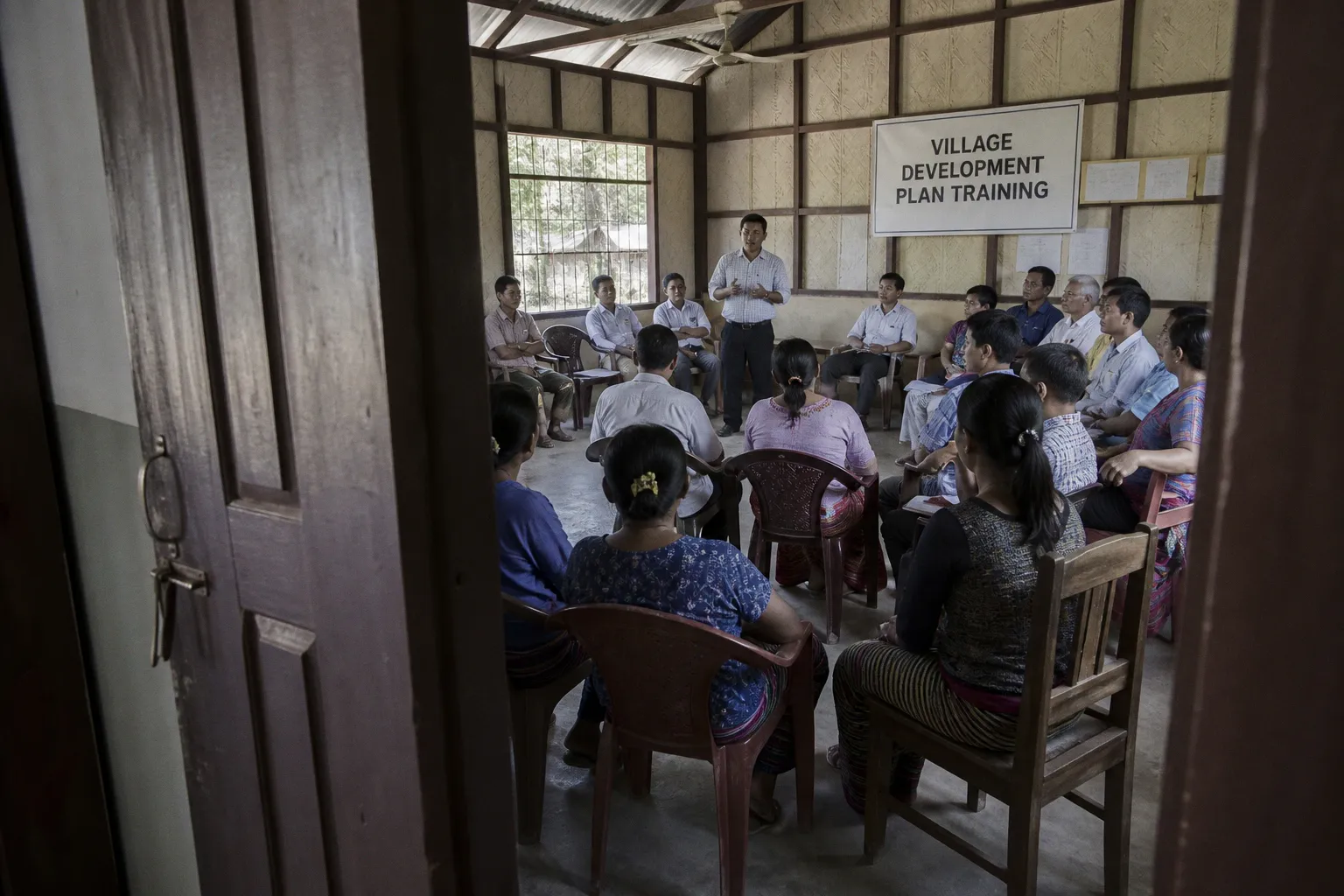
Tribal villages across Tripura are running a structured community planning exercise that could reshape where — and how — rural infrastructure gets built, and that's worth watching for anyone routing volunteer efforts into the northeast.
The Setup On The Ground
Tripura's Tribal Welfare Department has put SIPARD in charge of Village Development Plan trainings under the TRESP framework. The sessions aren't theory — they run inside Village Committee offices and adjacent community spaces. Each block has 23 Resource Persons and six Master Trainers running the process, with Block Project Management Units handling logistics and turnout. Three structured phases. No shortcuts.
Who's In The Room
The planning tables pull a wide cross-section of village life: School Management Committees, Anganwadi workers, ASHA workers, SHGs, Producer Groups, Cluster Level Federations, Community Resource Persons, elected representatives, senior citizens. That's the point. A 360-degree read on what each tribal village actually needs — water, classrooms, roads, health posts — comes from stacking every functional group into the same room. According to Tripura Star News, Phase-I training has wrapped in 38 Village Committees and Phase-II in 24, with 1,338 participants through the chairs so far.
Current Block-Level Progress
Recent fieldwork is moving fast. Killa RD Block finished Phase-I in Jalema Village Committee with 27 participants. Ampi RD Block ran Phase-I in Palku Village Committee from August 11 to 13, drawing 34 participants. Mungiakami RD Block kicked off a three-day Phase-I session in Maharanipur Village Committee on August 12, scheduled to close August 14. The pilot started with five model Village Committees in West Tripura and Sepahijala districts and has now fanned outward across more blocks.
Why It Matters For The Ride
When community-driven plans get written into formal documents, they become the foundation future resource allocation leans on. Schools, anganwadi buildings, approach roads — the kind of infrastructure volunteer biker networks typically target — get prioritized when villagers have already named them on paper. Watch the finalized VDPs. They're the map of where the next round of grassroots work will be needed.