How the Native Hawaiian Education Program Structures Its $30 Million Grant
The U.S. Department of Education just put $29.7 million on the table to extend the Native Hawaiian Education Program for another year, per the Senate Committee on Indian Affairs.
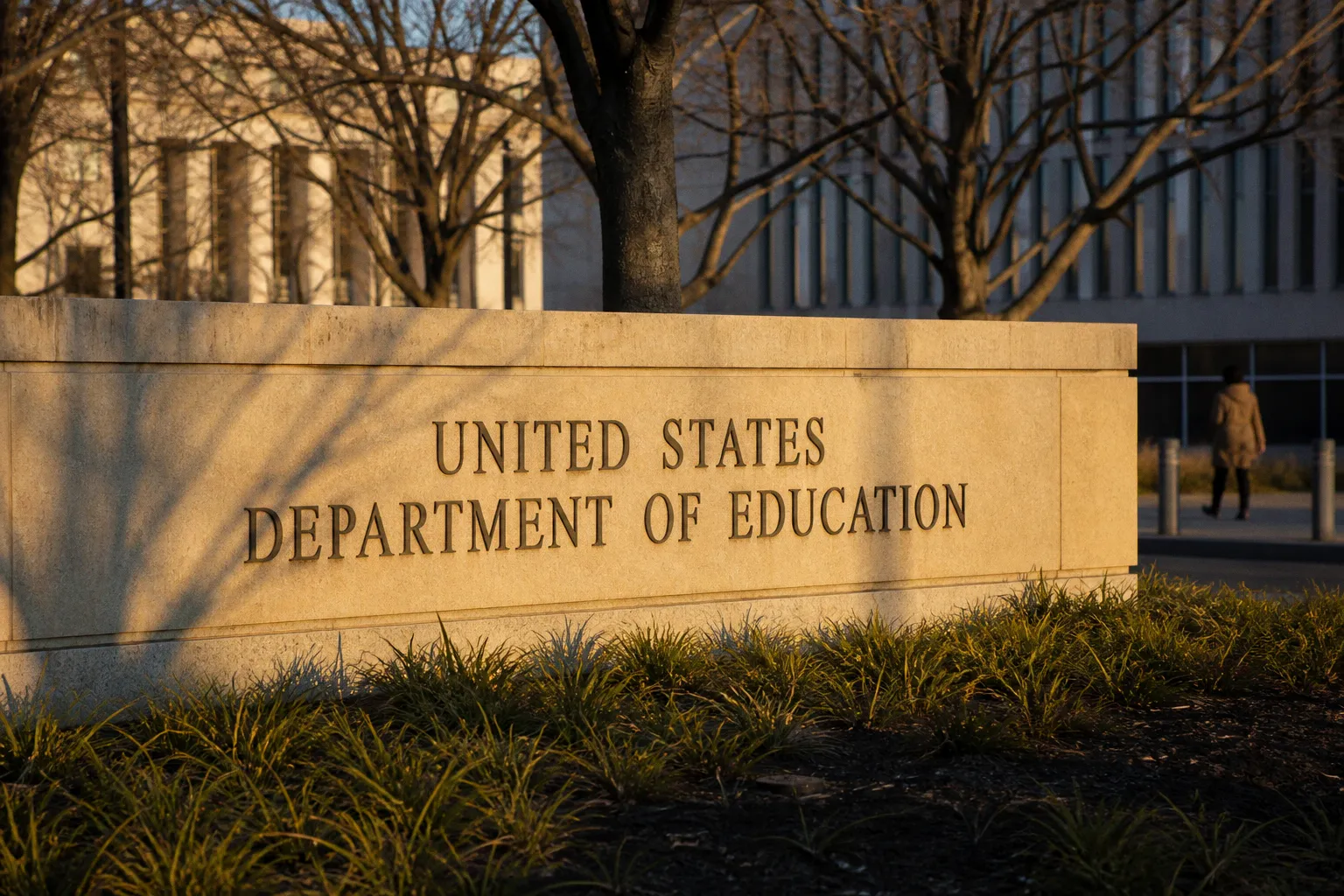
Sixty-plus early-childhood sites, home visiting, parent workforce development, and Hawaiian-language immersion programs serving more than 3,000 families get the runway. For the rest of us running our own education rebuilds on tighter budgets, the structure of this payout is worth pulling apart before we draft the next proposal.
What the money actually covers
One pot, four tracks. The funding hits early-childhood sites, home visiting, parent workforce development, and Hawaiian-language immersion in parallel — not sequentially, not as pilot-then-scale. That matters when we read the line items. The agency is funding a system, not a single intervention. When we write up our own program, we should ask whether we can show a network of touchpoints, not just one classroom or one schoolhouse. Reviewers want a route map with multiple anchor points, not a single stop on the highway.
What to borrow for our own grant run
Three things jump out for our kind of work.
Specify the headcount. The filing names 3,000 families served. Give your funder a number they can verify on paper. Vague reach claims get cut in committee.
Name your infrastructure. Sixty early-childhood sites is not a soft target — it's a delivery network. List our locations, host partners, rotating crew bases. The more mechanical the map looks, the harder it is to dismiss as charity.
Tie language and culture to measurable outcomes. Hawaiian-language immersion sits inside the funding line, not bolted on as a frill. If your program teaches in a local dialect or runs heritage curriculum, build it into the core deliverable, not the appendix. Reviewers fund what they can measure.
Where to keep our guard up
One-year extensions are not multi-year commitments. The funding extends the program for another year — clock resets, paperwork returns next cycle. Plan cash reserves around annual competitive windows, not assumed continuations. When a federal line covers 60 sites and 3,000 families, the per-capita spread is thin. Run our own per-site, per-family math before we commit to staffing or vehicle outlays. Don't let aggregate numbers fool us into overbuilding.
Before we submit our own line items to any federal desk or state agency, run this pass: headcount with real numbers and named families; per-capita cost calculated, not estimated; language and cultural track integrated, not bolted on; funding duration matched to our reserves; reporting cadence matched to our actual bandwidth. Don't promise what our crew can't deliver on the ground. Federal money comes back to bite programs that overstate their mileage.