How One Engineer Built a School for 200 Children in Jharkhand's Mining Belt
mining belt in Jharkhand just became a working classroom. According to The Better India, engineer Nitesh Kumar poured personal savings and personal loans into an 11,000 sq. ft.
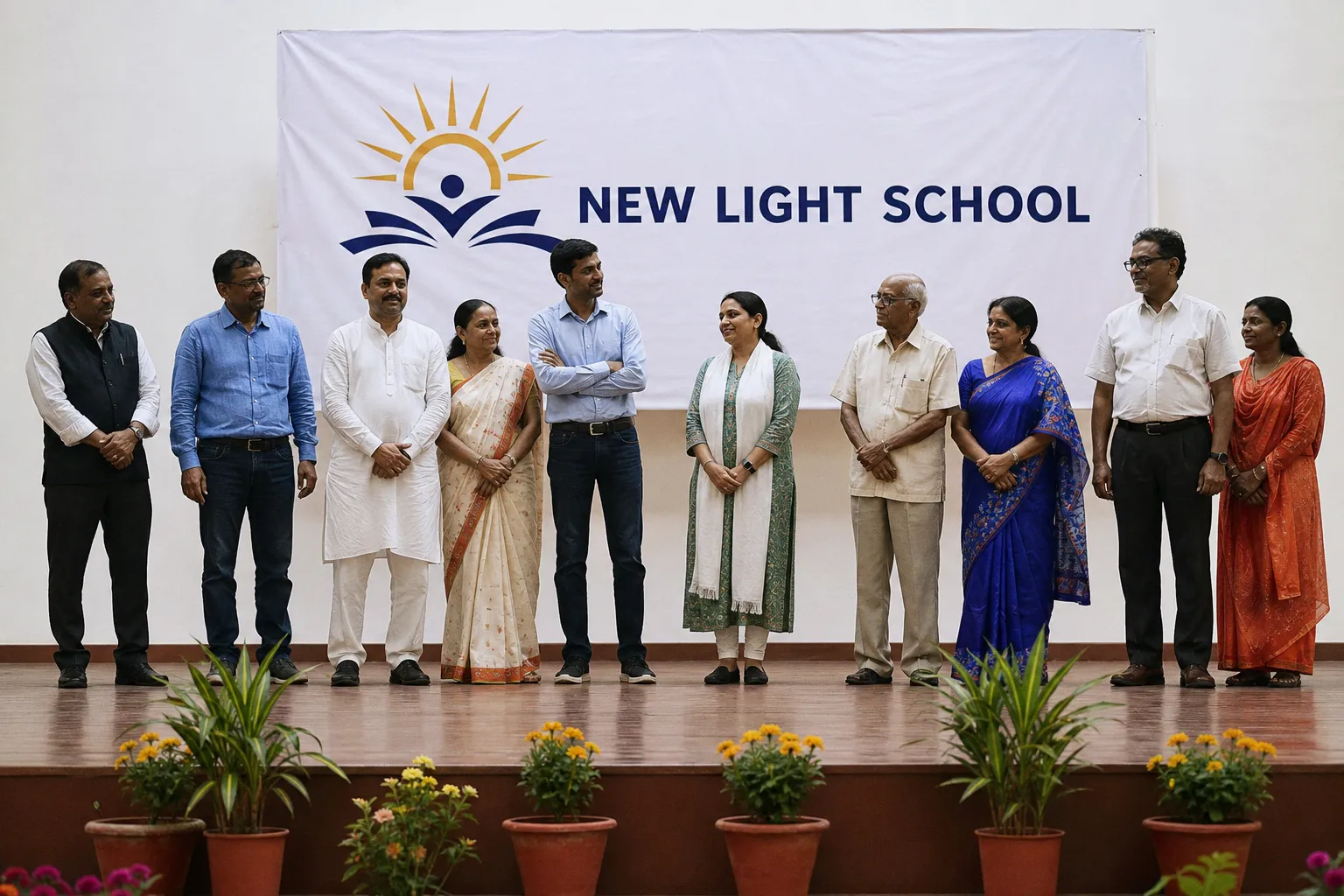
school called Nav Gurukul, now serving more than 200 children—many first-generation learners—at ₹800 a month per student. For our network of bikers and builders running routes to remote sites, that's a blueprint worth unpacking.
The Build in Jharkhand
The site sits in a belt where public schools disappeared alongside formal employment, and families migrated out looking for work. Kumar chose the opposite vector. He stayed, financed the build, and constructed the campus. Result: 11,000 square feet, 200-plus kids enrolled, a fee structure that keeps the door open for the poorest households. No state scheme drove this. One person, personal capital, personal risk.
For riders mapping a school-rebuild route, the takeaway is structural, not sentimental. An individual with engineering training and a willingness to take on personal debt can stand up a functional campus where public infrastructure failed. The model is lean, the overhead is low, and the ₹800-per-month price point is auditable from a distance.
Other Wheels Already Turning
We're tracking parallel efforts across the country. In Nagaland, the Rural Education Mission launched at Government Middle School New Pangsha earlier this month—a five-year, community-supported push, per the Nagaland Tribune. Head Teacher M Hanga framed it as a community-driven initiative targeting underprivileged students with study furniture, solar lamps for off-grid homes, sector-wise tuition classes, awareness programmes for parents, and educational field trips. Deputy Commissioner P Mono Khiamniungan cut the ribbon on the additional classroom and pushed parents to enroll kids in their own village schools instead of shipping them out.
Down in Okhamandal, SMEStreet and Prittle Prattle News report that TCSRD—the Tata Chemicals rural development arm—rolled out a School Support Programme pulling in 120 local educators. Corporate-funded, so the durability question is different from Kumar's grassroots build. Different mechanic on the ground, same core checklist: trained teachers, steady supplies, predictable term.
What to Verify Before We Roll
Three checkpoints before we commit bikes, funds, or labor to any of these sites:
1. Governance trail. Whose name sits on the land deed, and who controls the bank account? One-man operations without a registered trust are fragile. A founder's hospital bill can close the school.
2. Teacher pipeline. A building is just a box. Confirm at least two years of paid faculty on the roster before we haul materials up a bad road.
3. Exit plan. If Kumar walks away tomorrow, does Nav Gurukul keep running? If yes, it's a model worth replicating. If no, it's a monument to one person.
We ride to places like this. We just don't ride blind.