Anant Zende: How One Man Built a Self-Funded Campus for Tribal Children
The Logical Indian profiles Anant Zende — a Shrigonda, Maharashtra operator who runs a 4.5-acre residential campus for tribal, nomadic, and denotified children entirely on public support.
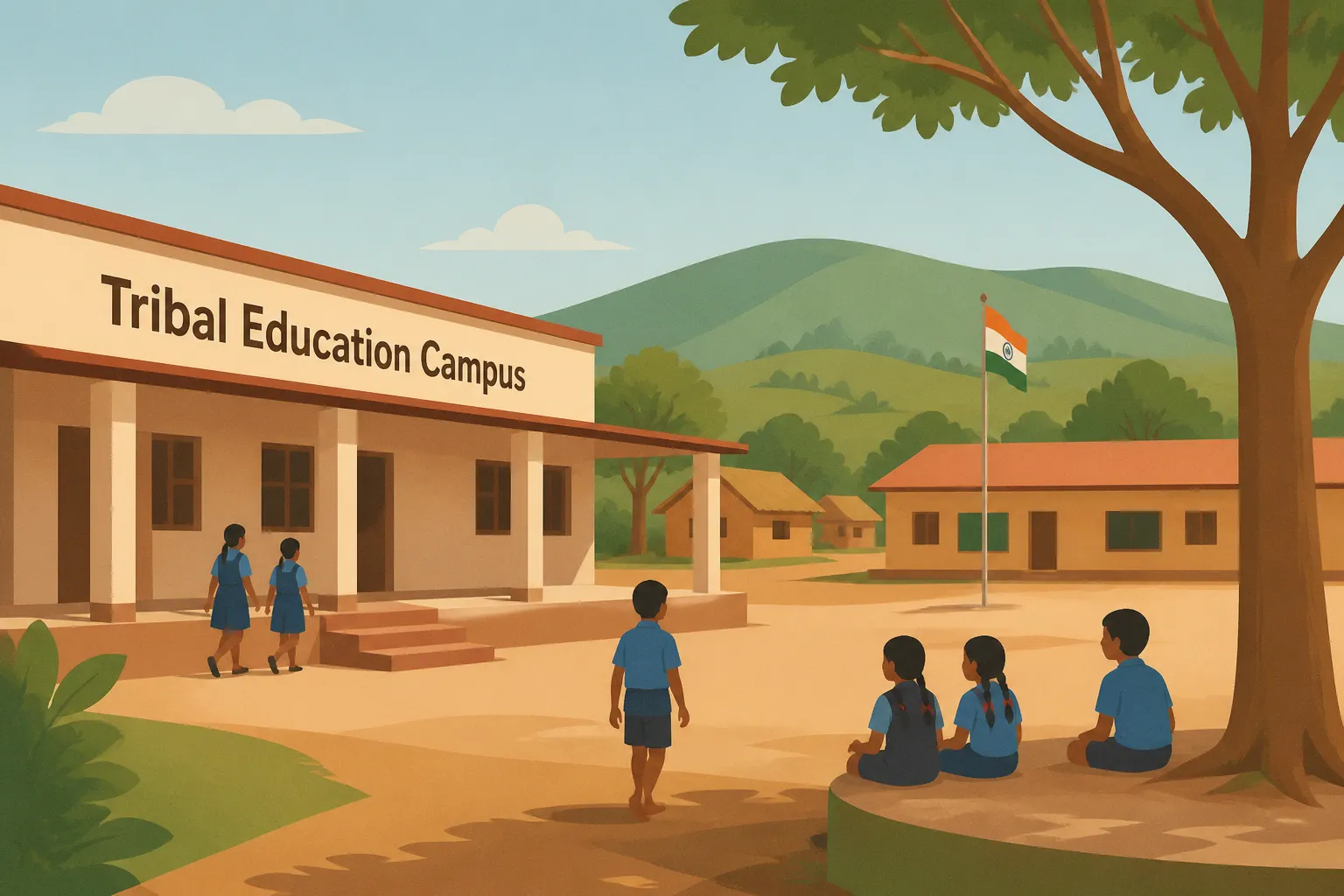
No government grants, no CSR anchor, no foundation money — nineteen years of patient build-out. For any of us running ride-convoys or planning school rebuilds into Maharashtra, this is what a fully self-funded children's campus looks like from the inside.
How the walls went up
Zende registered the Mahamanav Baba Amte Multipurpose Social Service Organization in 2008 with nothing but the work itself. The first structure was an ancestral Kulkarni Wada, made available by Mumbai resident Girish Nilkanth Kulkarni. From that single handed-over building, the operation has grown into a 4.5-acre campus housing 140 children. A separate hostel for 100 tribal girls is mid-construction right now. The lesson for us: we don't need a foundation grant to start. We need one building, one registrar filing, and the willingness to stay for a decade.
The intake problem nobody talks about
Most coverage frames this as "education for marginalized kids." The operational reality is heavier. A hostel serving the Phase Pardhi community closed, and Zende took the children in. Many arrived with no birth certificate, no school record, no Aadhaar, no caste certificate — which means no school admission and no legal standing at all. The org handles every step itself: birth registration, Aadhaar enrollment, caste certificates, school admissions, legal guardianship where needed. It also encourages kids to drop names rooted in stigma and adopt ones they choose. That's not charity work. That's forms, transport runs, court visits, school liaison, repeated follow-ups — the administrative friction that decides whether a child gets a desk or stays invisible on paper. If we're hauling desks into these communities, we also need to know the paperwork trail that has to clear before a desk is used.
What's running, what's pending, who pays
On the ground today: 140 children in residential care, plus education, healthcare, and skill development tracks. The 100-bed tribal girls' hostel is still being built. Zende's own salary comes from a day job as a peon at Shri Bhaneshwar Bhangaon Vidyalaya, run by the Gyanadeep Rural Development Service Organization — meaning the founder's income stays untied to the org's books. For us mapping future convoys into Maharashtra, Shrigonda is a verified anchor site: a self-funded campus that needs the same physical haul — water, materials, transport corridors — that any rural school rebuild demands. Zende cut his teeth on rural sanitation drives alongside Anna Hazare and Popatrao Pawar, then moved through Snehalaya and Anandwan before launching the org — meaning the political groundwork was laid long before the first child walked through the door.