Karnataka’s 1,000-School CSR Initiative: Why Field Teams Must Wait for Specifics
As reported by India CSR, Karnataka is planning a CSR-led upgrade of 1,000 government schools.
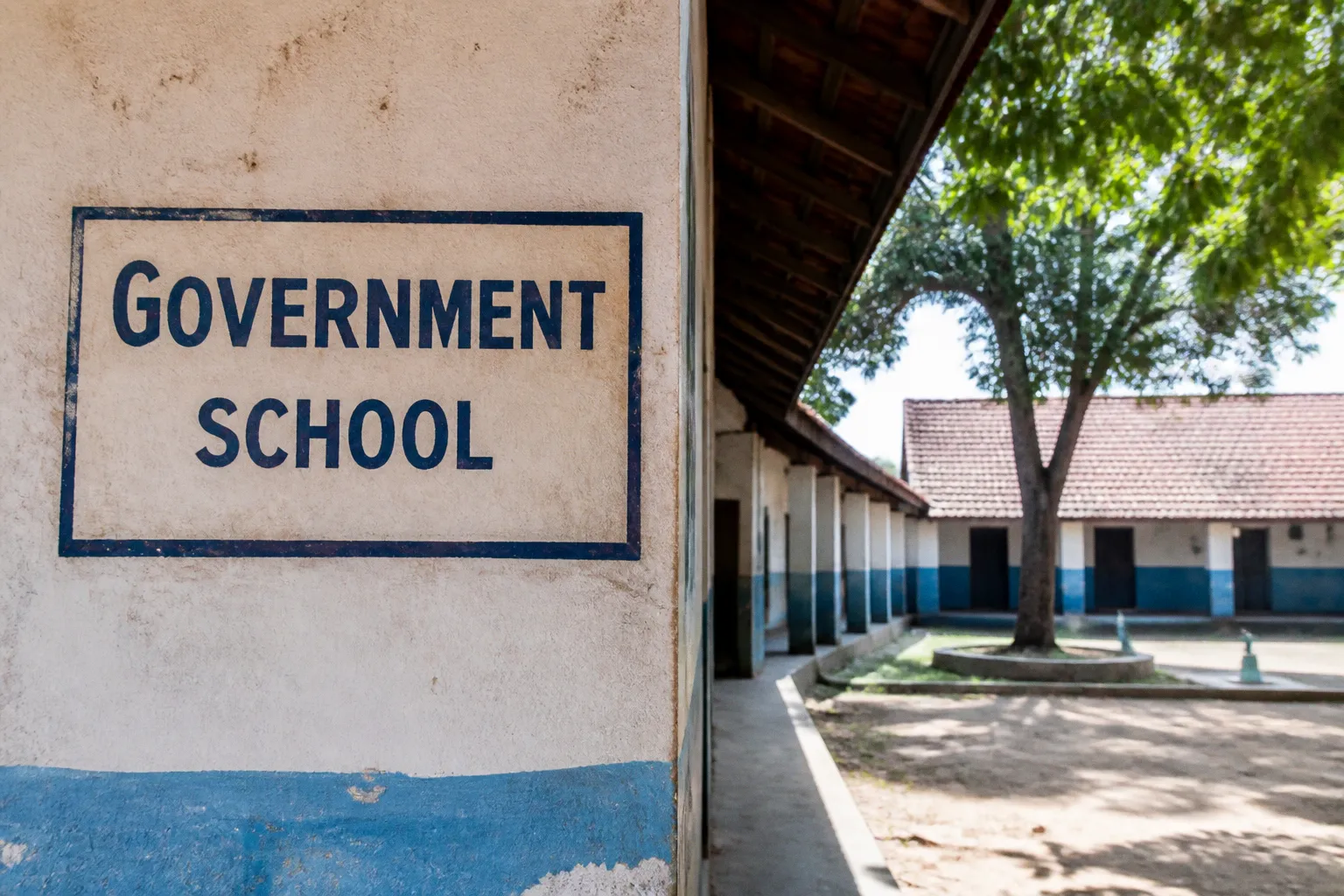
That is the full confirmed payload available at this stage: a large target, a private-sector funding route, and no published detail in the evidence on locations, work packages, budgets, or deadlines. For crews, NGOs, and rider networks working around rural schools, the important point is simple: do not move tools or money against the headline alone.
The number is a route marker, not a work order
“1,000 schools” tells us the proposed reach. It does not tell us which schools are on the list or what “upgrade” means at each site.
That distinction matters on the ground. A school may need roof work, toilets, classroom repairs, water access, electrical work, furniture, or several jobs at once. None of those details are confirmed here. We should not assume that a CSR-led programme will cover the same items that local volunteers usually haul, anchor, or repair.
Before planning a route, we need the district list and the site-level scope. Without them, a convoy cannot calculate distance, load, labour, tools, or access risk. A generic promise covering 1,000 campuses is not a bill of materials.
The source record also gives no confirmed budget, implementation agency, schedule, procurement model, or monitoring system. Treat those gaps as operational gaps, not paperwork.
What field teams should verify first
If the plan advances, the first useful document will be the school-by-school allocation. It should identify the campus, district, proposed work, responsible organisation, and current status. Until that appears, local groups should avoid presenting individual schools as selected beneficiaries.
The next check is scope. Ask whether the programme funds construction, repair, equipment, maintenance, or some combination. Those are different jobs with different failure points. A classroom wall can be rebuilt once; drainage, wiring, doors, and sanitation require inspection and follow-up. If maintenance is not included, the handover may leave the hardest work on the school and community.
Then check the route. A list of schools is not a logistics plan. We need road access, material delivery points, storage, working hours, and a safe place to stage tools. Volunteer riders can help with surveys, small loads, and local coordination, but we should not substitute a motorcycle convoy for a confirmed contractor or engineering plan. Torque the right fasteners. Haul only what the site can receive. Bypass a job when the paperwork or structure is not sound.
There is also a verification problem. The available evidence confirms the headline from India CSR, but it does not provide the underlying programme details. Two other items in the evidence concern development projects in Myanmar and government schools in Jammu and Kashmir. They do not confirm Karnataka’s school list, funding amount, or delivery schedule. Keep those stories separate.
What to watch before committing
The next credible update should answer four practical questions:
- Which 1,000 government schools are included?
- What work is approved at each site?
- Who is funding and delivering the work?
- When does field execution begin?
Until those answers are published, the plan is a planning signal, not a deployable assignment. For NGOs and volunteer networks, the safe sequence is survey, verify, scope, then haul. Do not promise a school a repair because a headline names a target. A route starts with coordinates and a work order, not a round number.