How Khula Education Sustains Rural Preschools Without State Funding
GroundUp's reporting out of KwaZulu-Natal's uMzinyathi District traces how non-profit Khula Education keeps four rural preschools and eighteen partner community centres running without direct state funding.
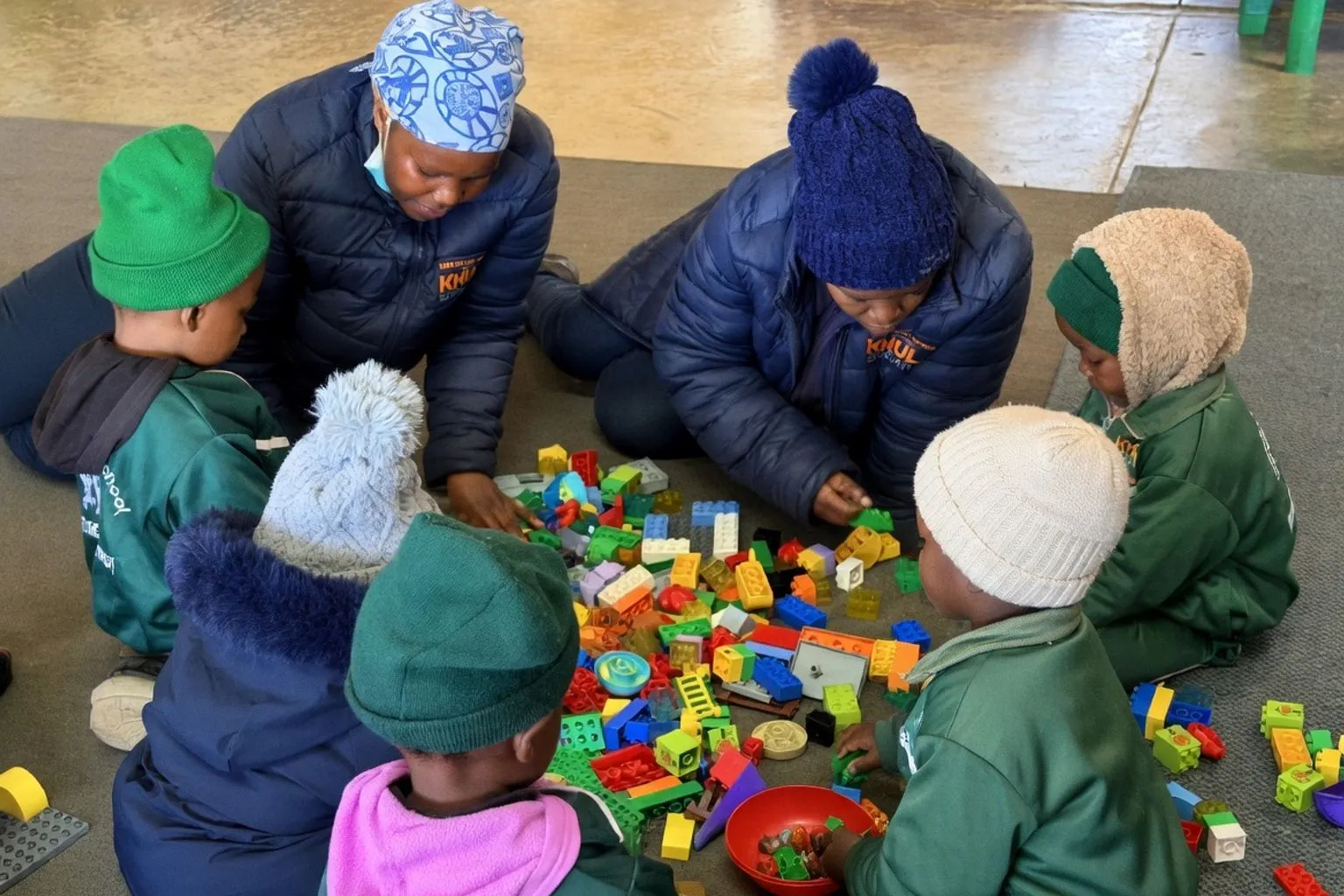
Project brings hope to rural early learning centres
The setup reads familiar to anyone hauling learning materials down dirt roads: a thin crew, a long list of sites, and a paperwork wall that won't crack. The friction isn't the curriculum — it's the cold-morning attendance drop and the registration queue.
The support loop
Khula's footprint runs through MaNtombi Zwane's God's Grace Daycare in Amoibe, near Rorke's Drift. Zwane has run the centre almost five years with no state subsidy, charging R100 per month for twenty-seven children aged six months to four years. The fee doesn't cover quality care, and parents sometimes skip paying entirely. Zwane covers the gap from her own pocket rather than turn children away.
The Khula partnership changed the curriculum, not the building. Before the link-up, Zwane had no formal learning plan. Now she runs play-to-learn sessions with weekly themes, basic English and Zulu vocabulary drills, and age-appropriate toys supplied by an ECD champion who visits the site. Cold mornings in mid-August cut attendance below a quarter — temperatures dropped to three degrees Celsius — but the staged materials stayed ready. "Because I am self-taught, the Khula early childhood development (ECD) champion has helped me create a learning plan," Zwane says.
The numbers behind the gap
The Thrive by Five Index puts 42% to 45% of enrolled four-year-olds developmentally on track in early literacy and numeracy. The remaining 55% to 58% fall behind on standard tasks. For children outside any early learning programme, the share able to handle expected tasks drops to 18%. The Department of Education reports over 1.3 million children aged three to five are not enrolled in early learning at all.
Zwane wants to register God's Grace with the Department of Social Development or Basic Education, but the recent restructuring of ECD support has delayed her application. Amoibe Primary's principal is helping push the paperwork. Without formal registration, the centre can't tap state funding streams — the income ceiling stays at R100 per child per month.
What we're tracking
- Champion density. Khula's model depends on ECD champions physically visiting each site. Scale that across a wider district and the human logistics break down.
- Weather attendance. August's drop wasn't a teaching problem. It was shelter, warm food, and transport. Buildings matter as much as charts.
- Funding pipeline. If the registration clears, the operation shifts from donor-supported to state-supported. That rewrites the volunteer cost line.