Evaluating ACER India’s New School Improvement Framework for Grassroots Impact
ER India has rolled out a school improvement tool built around wellbeing and future readiness, according to The Hans India.
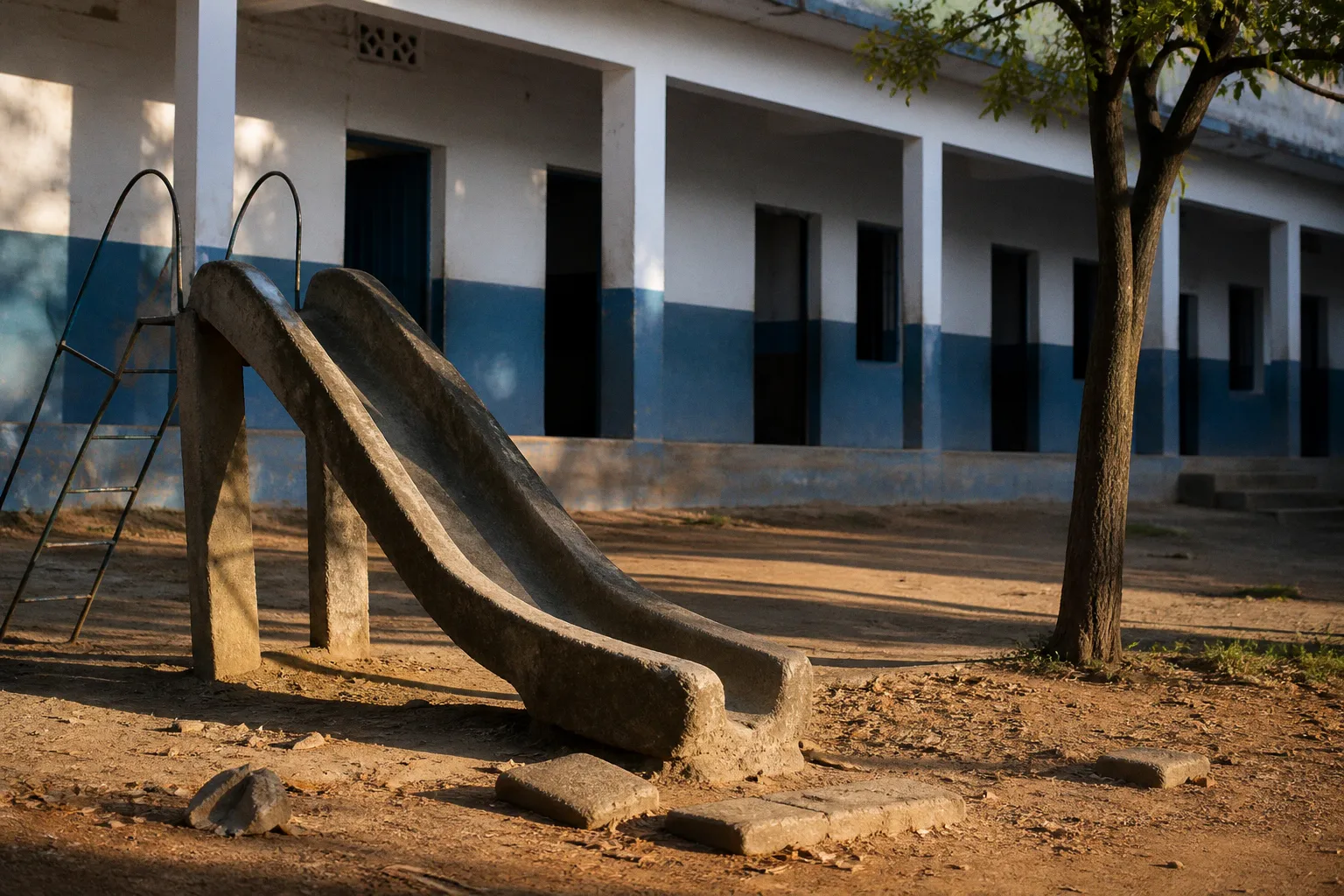
For our network — the crews hauling paint, cement, and replacement desks into neglected government schools across India — that headline cuts two ways: is this something we can plug into on the ground, or is it another assessment layer that never reaches the buildings we actually work on? Either answer changes how we plan the next ride season.
What we can confirm
The Hans India carries the launch. That's the scope of our evidence right now. No methodology, funding figures, pilot sites, partner schools, or rollout timeline appear in the public reporting we pulled. What the headline gives us: ACER India is framing the tool around two pillars — student wellbeing, and what they're calling future readiness. That second term is doing heavy lifting in education circles, and what it actually measures will decide whether it helps our schools or simply bypasses them.
If the instrument is built like most assessment frameworks — rubrics, surveys, scoring matrices — it lives in a state block office and never touches a cracked classroom wall. If it's built like a district-run audit checklist, it might give our partner NGOs another lever when they walk into a block education officer's room asking why a particular school hasn't been prioritized for repair.
Where it sits in the reform picture
This isn't dropping into a vacuum. Business Standard's recent coverage of India's school education reform debate — pointing to the "Adarsh Baal Vidyalaya" model as a case study for why structural change is needed — runs parallel to the ACER India launch. Both stories are pulling at the same thread: the gap between policy ambition and the actual condition of public schools on the ground. Our audience rides straight into that gap every season.
The pattern is familiar. A reform announcement. A model school. A framework. Then months of silence while the paperwork catches up to the buildings. Our job is to keep moving on the buildings regardless.
What to watch from the saddle
- Whether ACER India publishes the instrument openly or locks it behind training and licensing. The first version can be used by a small rural NGO with two staff members. The second version can't.
- Which state or district bodies get named as early adopters. That's the pipeline for future state funding flows — and the signal for where volunteer attention needs to redirect.
- Whether the tool measures physical infrastructure — roofs, water supply, toilets, electrification, classroom count — or only pedagogical and wellbeing markers. Our schools won't survive the next monsoon on a wellbeing score.
- Whether any grassroots volunteer biker network or partner NGO gets pulled into field testing. If yes, that's the cue to engage. If no, the tool is probably designed for a different audience than ours.
Bottom line: file it on the watchlist, not the route sheet. The schools we're riding to this season still need the same things they've always needed — walls that hold, roofs that don't leak, and a crew that actually shows up with paint and a work order. The frameworks can catch up later.