Building a Sustainable Solar Workforce for Rural and Underserved Communities
Department of Energy's Solar Energy Technologies Office has laid out a full-scale workforce pipeline — apprenticeships, certifications, collegiate competitions, career counseling — to match the…
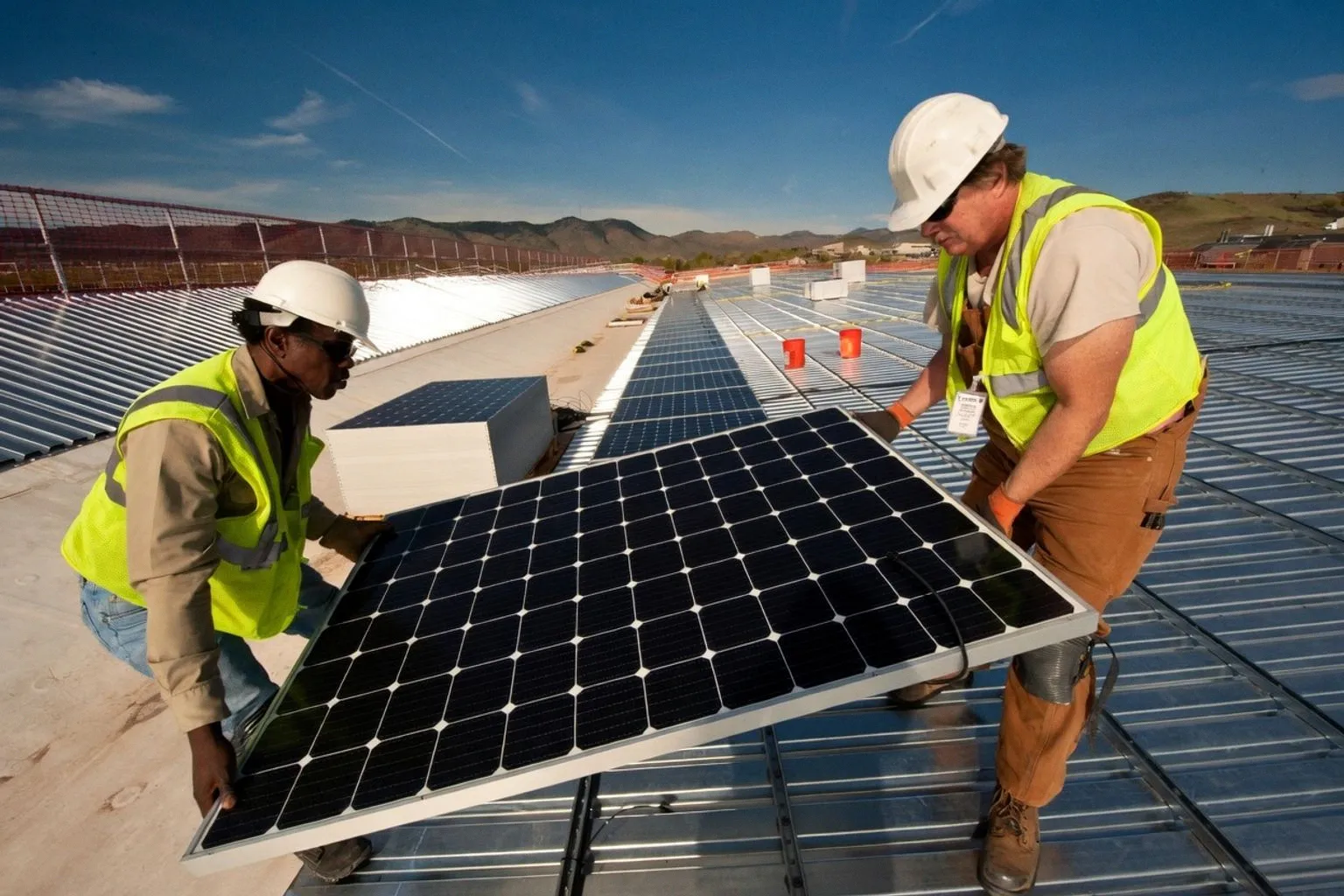
The U.S. Department of Energy's Solar Energy Technologies Office has laid out a full-scale workforce pipeline — apprenticeships, certifications, collegiate competitions, career counseling — to match the country's accelerating solar deployment. For those of us hauling panels into tribal belts and wiring up classrooms that never had reliable power, the framework matters: it maps the exact skill gaps we hit on the ground when we try to hand a solar install over to local crews who've never touched an inverter. India's own push, including Chhattisgarh's Tribal Development Department signaling AI-enabled learning modules for tribal students and banks like Canara Bank earmarking CSR funds for rural education and development, points the same direction — the infrastructure is arriving, but the hands to maintain it aren't trained yet.
The Skill Gap We Keep Tripping Over
The DOE's approach is blunt: the solar workforce needs to grow with jobs accessible to workers from all backgrounds, offering competitive wages and pathways to union membership. Their funded programs cover online and in-person training, work-based learning through internships and apprenticeships, plus certification tracks and job-readiness support. They're also running performance metrics on each strategy to figure out what actually moves the needle.
Strip away the U.S. policy framing and the core problem translates directly. Every rural school we retrofit with a rooftop array needs someone within riding distance who can torque the mounting brackets to spec, troubleshoot a charge controller fault, and swap a failed string without calling a contractor from the district capital. We've seen installs sit dead six months after commissioning because nobody local could diagnose a tripped breaker. The DOE model — train locally, certify, then measure retention — is the same fix we need, just scaled to Indian village conditions.
What Reaches Our Grid
The Chhattisgarh Tribal Development Department's announcement of AI-enabled learning modules for tribal students is a signal worth tracking. If those modules land in ashram schools and Eklavya-model residential schools — the same campuses we route through on build runs — they could double as delivery platforms for basic solar maintenance curriculum. Pair that with Canara Bank Kolkata Circle's CSR commitments toward education and rural development, and there's a funding-and-delivery stack forming: bank money flowing into tribal education infrastructure that already has a roof we can bolt panels onto.
None of this is automatic. The DOE's own documentation stresses that workforce programs need stakeholder feedback loops and continuous trend analysis to stay relevant. Translated: you can't just print a certificate and call it done. Apprenticeship hours on real systems, mentorship from crews who've wired a hundred rooftops, and a feedback channel back to the training body — that's the torque sequence.
Pre-Run Checklist
Before we route a build crew into a tribal block expecting local partners to sustain the install, we verify three things:
- Training pipeline exists on paper and on the ground. A government announcement is not a trained technician. Confirm the program has physical infrastructure — tools, demo panels, a trainer who's actually shown up.
- Certification maps to real fault scenarios. Can the graduate diagnose a dead string, replace a combiner box fuse, read a monitoring app? If the cert is theory-only, budget for a follow-up mentorship pass.
- Funding has a disbursement trail. CSR pledges and departmental schemes are notorious for announcement-to-implementation lag. Trace the money to a sanctioned work order before we commit route logistics.
The solar panels are the easy part. Getting them to stay alive in the hands of the people who need them — that's the build we haven't finished.