Securing ITC CSR Funding: A Strategic Guide for Education and Skill Development NGOs
ITC Limited has locked in its CSR budget for the fiscal year 2026-27, directing ₹11 crore toward education, government school infrastructure, and skill development.
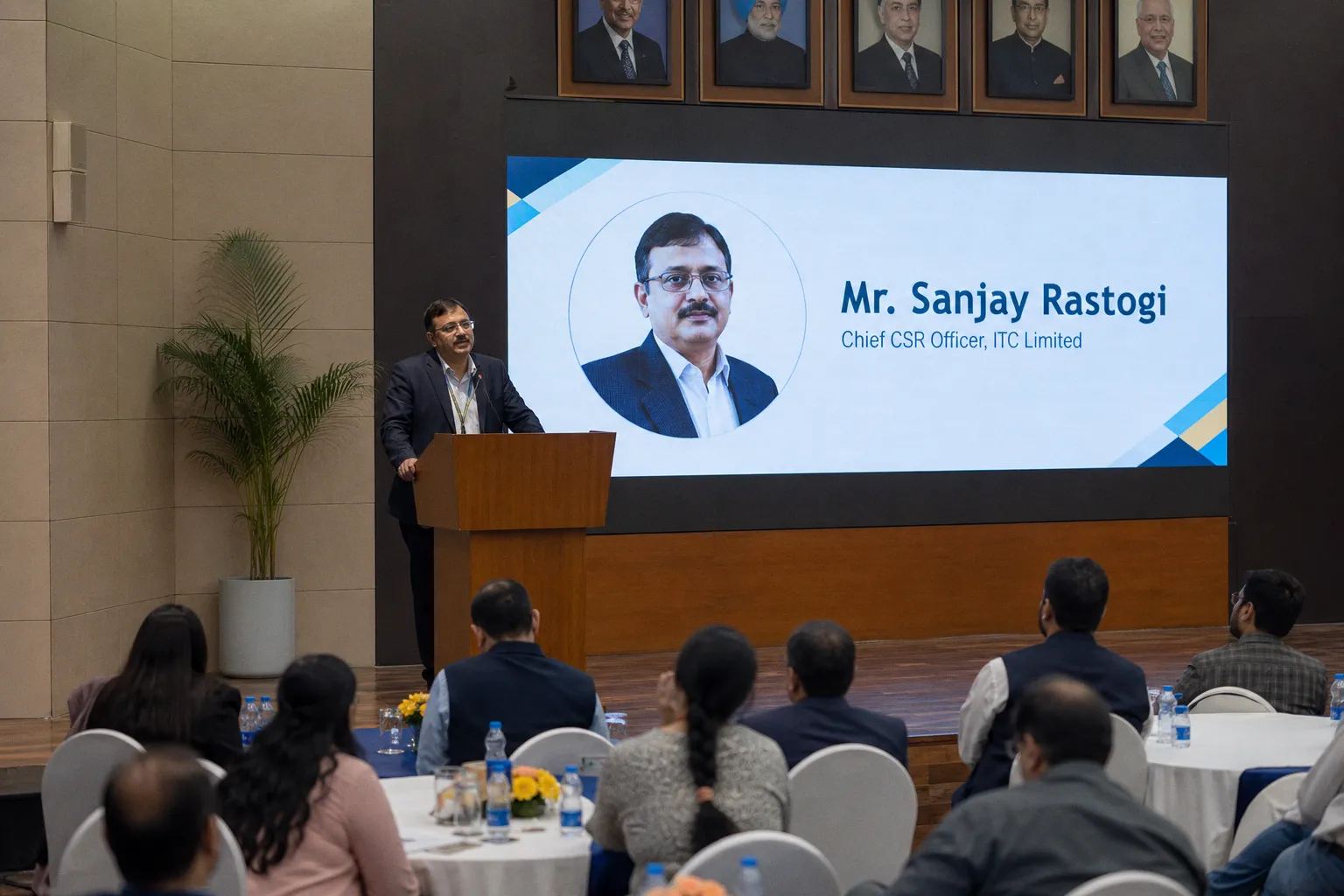
For grassroots NGOs patching together funding for rural classrooms, this is a confirmed pipeline—but only if your project matches their stated priorities and you're prepared to operate as their implementation arm.
What the ₹11 Crore Targets
The money is earmarked for three specific tracks: improving the quality of existing education, upgrading government school infrastructure, and developing vocational skills to boost youth employability. This isn't general operational funding. It's project-based capital for brick-and-mortar upgrades and structured training programs aimed directly at marginalized communities. If your work involves physical school rehabilitation or running certified vocational courses, this allocation is relevant. If it's general awareness or curriculum development without a direct infrastructure or skill-certification component, you're likely outside this lane.
How NGOs Get the Work
ITC doesn't hand out grants and walk away. The company explicitly states that NGOs function as Project Implementation Agencies (PIAs) in most initiatives. You apply, you win the contract, you execute. That means your organization needs the operational bandwidth to manage construction oversight, training logistics, and reporting. The funding flow is for delivery, not for institutional support. Before applying, audit your team's capacity to handle compliance paperwork and site management. The reward is project work; the risk is overextending without the back-office to handle ITC's accountability structure.
The Broader Terrain
This move sits alongside parallel efforts elsewhere. Tripura is operationalizing six new Eklavya Model Residential Schools with central approval, focusing on tribal student housing. Indonesia's government is rehabilitating 10,000 rural schools in a nationwide infrastructure push. The pattern is consistent: state and corporate capital are flowing toward physical learning spaces in underserved areas. The friction isn't the funding—it's the ground-level execution gap. That's where NGOs with track records and logistical discipline can anchor.
Next Move
Don't draft a proposal yet. First, pull ITC's official FY 2026-27 CSR policy document. Cross-reference your existing projects against their six approved programme areas. Map your operational footprint to their geographic implementation zones. If alignment is clean, then structure your pitch as a PIA bid with clear deliverables and a measurable output plan.
Checklist before you haul:
1. Verify your project falls under their education, infrastructure, or vocational skills pillars.
2. Confirm your NGO's registration and FCRA status (if applicable) are fully compliant.
3. Assess your field team's capacity for construction management or training certification oversight.
4. Do not commit resources until you have the formal terms of the CSR agreement in hand.
The money is allocated. The structure is known. The work, as always, is in the torque of the nuts and bolts. Get the spec right before you start turning wrenches.