Beyond Exam Leaks: Why Fixing Education Requires More Than Just Secure Testing
According to Countercurrents.org, the fight over exam paper leaks has pushed education reform back into the headlines, but the wider repairs are still sitting off the route.
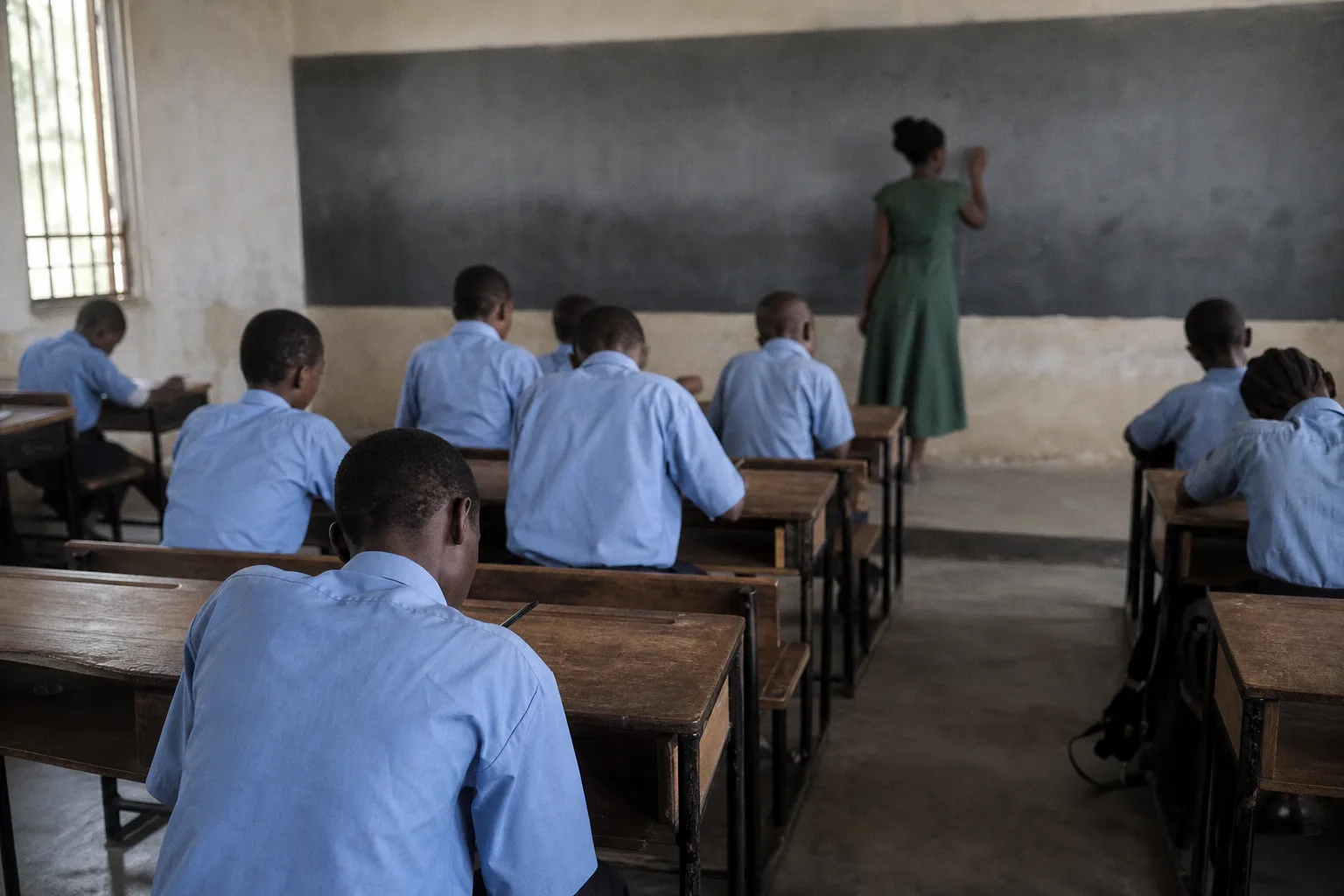
That matters to crews working around public schools: a secure exam is necessary, but it does not fix an empty teacher post, a weak classroom, or a system built to reward memorisation over learning.
The immediate pressure came from recent exam controversies, including the NEET paper leak. Countercurrents.org cites a Dainik Bhaskar investigation reporting 116 paper leaks between 2014 and 2026, affecting 75 million examinees. The same report says eight recruitment exams, including ones connected to scientist selection, had to be cancelled and rerun, while recruitment for roughly 300,000 government jobs was stalled.
Seal the leak, then inspect the whole frame
Paper security is the visible break. It has to be torqued down: tighter handling of question papers, accountable exam administration, and systems that do not leave students carrying the cost of a cancelled test.
But treating that repair as the full job would be a bypass around the actual failure. Countercurrents.org argues that the debate must extend to the examination system and the education system behind it. The reforms associated with Sonam Wangchuk’s protest include moving away from rote learning, reducing the dominance of coaching culture, improving teacher training and respect for teachers, filling vacancies, increasing resources for government schools, and making reform processes more transparent.
Those are not interchangeable parts. A school can have a clean exam pipeline and still run on understaffed classrooms, thin support for teachers, and teaching aimed only at recall.
The protest put pressure on the junction
AOL.com reports that educator and activist Sonam Wangchuk began a hunger strike in Delhi in support of youth-led demands for education reform after a series of controversies, including exam paper leaks. The protest has put public attention on accountability for failures in the education system.
For riders, volunteers, and school-repair groups, the useful signal is not the headline cycle. It is where official attention lands after the crowd moves on. If a district’s school needs a roof anchored, toilets repaired, desks hauled in, or a classroom made usable, exam reform alone will not move that material.
We should keep the route clear between national reform talk and local school work. Check the basics: teacher vacancies, usable classrooms, maintenance gaps, and whether funds reach the government school rather than stopping at an announcement.
Don’t confuse a headline with a handover
The current focus on leaks is justified. Students cannot be asked to prepare for an exam whose chain of custody can be breached. But a reset that ends at the exam gate leaves the rest of the schoolyard uninspected.
Watch for concrete follow-through: staffing, teacher support, school resources, and transparent implementation that survives beyond the next political turn. Until those bolts are tightened, the education system remains a load carried by students and public schools on the roughest road.