Teaching Rural Youth Skin Care and Self-Advocacy Through School Programs
A peer-reviewed study in Cureus is examining how a school-based program can teach rural adolescents to manage skin health and advocate for themselves in clinical settings — a topic that matters…
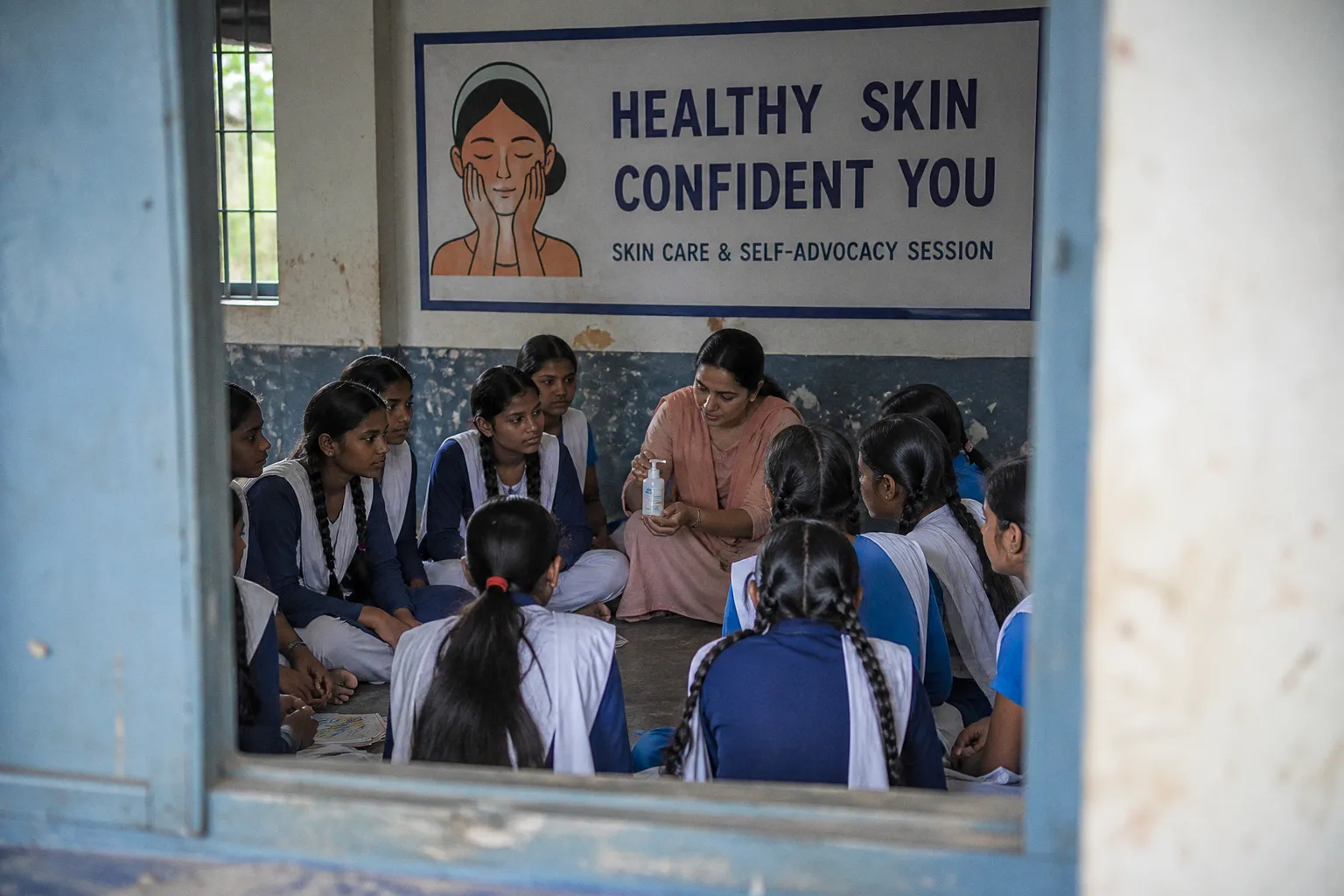
A peer-reviewed study in Cureus is examining how a school-based program can teach rural adolescents to manage skin health and advocate for themselves in clinical settings — a topic that matters directly to any volunteer crew hauling supplies into villages where a basic infection can sideline a kid for weeks. Pair it against what's already working on the ground in Karnataka: a centenary government school in Noojadi village has tripled enrolment over thirteen years by sticking to fundamentals.
The Cureus intervention
The Cureus paper, "Empowering Rural Adolescents to Build Healthy Skin Habits and Self-Advocacy Through a School-Based Intervention," targets the age bracket where habits either get cemented or fall apart. The published details available to us are limited to the title and the venue — methodology, sample size, and outcomes aren't in the materials we can verify. Treat it as a real published study; don't assume specific numbers until the full paper is in hand.
For crews running routes through heat, dust, and limited water, the angle is logistical. Skin health isn't a luxury topic when sweat and UV exposure are daily conditions. A school-based intervention means the message gets repeated and corrected — not delivered once and forgotten.
Bagwadi's working model
In Kundapur taluk, Bagwadi Government Higher Primary School just marked its centenary and a steady climb in enrolment. The numbers tell the story plainly: 38 students when Shailaja Shetty took charge as headmistress in 2013, 72 in 2022, 85 in 2023, 95 in 2024, 110 in 2025, and 117 this year. Shetty pulled the School Development and Monitoring Committee, alumni, and villagers into the build.
What's on the campus now: 12 classrooms, a centenary building, computer education facilities, a purified drinking water unit, a functional kitchen, clean toilets. Students from Katbeltur, Balikere, Noojadi, Bagwadi, and Devalkunda ride in at affordable transport costs. Trainers from Kundapur run weekly karate and abacus sessions. "The school is being developed with the support of alumni, donors and villagers with the objective of providing hi-tech education to rural children," Shetty said. "A good learning environment is helping build confidence among students." Prakash Acharya, president of the Alumni Association, put it this way: "Our objective is to remove the misconceptions people have about government schools. With the support of donors, villagers and alumni, the school has been provided with high-quality facilities at considerable expense."
What to take into the field
Two threads run through both stories. The Cureus work treats adolescents as the intervention point. Bagwadi shows what years of community-backed infrastructure can do to enrolment and retention. For volunteer biker networks mapping routes into rural India, the checklist is short: confirm water, sanitation, and a functional building before running a program through a school, and plan for repeat contact rather than a one-off visit. Both stories point to the same answer — durable habits and durable buildings outlast any single ride-in.