mPokket Expands ESG Reach to Transform Rural Education Across 100 Schools
According to OrissaDiary, mPokket is deepening its ESG commitment through a rural education transformation initiative covering 100 schools in West Bengal.
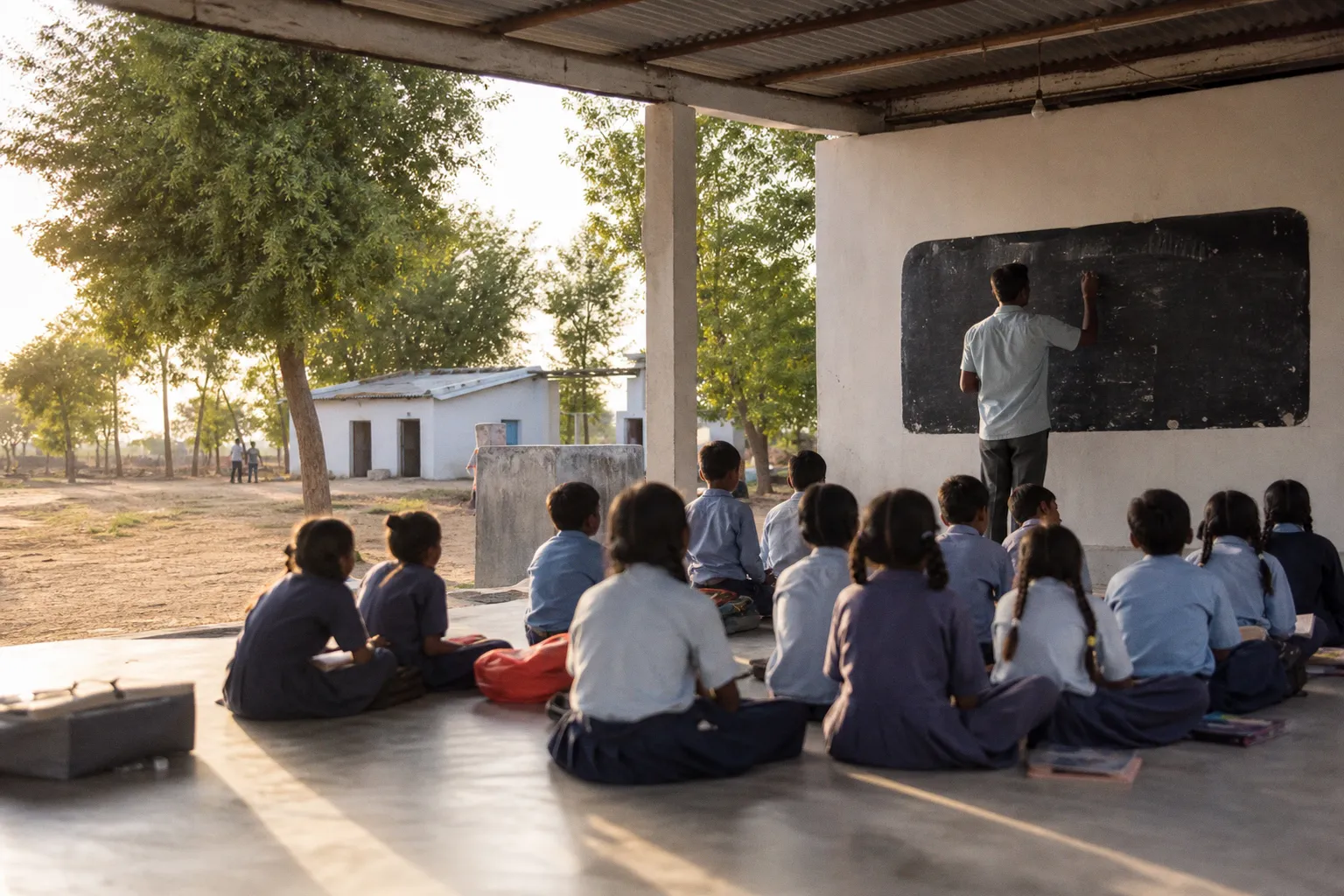
That is the hard number on the board. For riders, volunteer crews and local school partners, the next job is not applause—it is finding the school gates, checking the work scope, and seeing what can hold after the launch post is gone.
The supplied report does not set out the locations, timeline, budget, delivery partners or the physical work planned at each school. So we do not torque assumptions into facts. The announcement signals scale; it does not yet show the route plan.
One hundred schools needs a working map
A 100-school programme can mean a lot of ground. It can also mean a thin layer of activity spread too far. Until mPokket or its implementation partners publish more detail, teams looking to support the effort should separate the confirmed claim from the missing load sheet.
Start with the basics:
- Which schools are included, and in which districts of West Bengal?
- What is being changed: classrooms, sanitation, water access, learning materials, digital equipment, teacher support, or another component?
- Who owns maintenance once installation or repair work is complete?
- Is there a local contact who can unlock the gate, identify the fault and sign off on the handover?
Those details decide whether volunteers can haul useful material to a site—or arrive with the wrong cargo and lose a day on a dirt road.
ESG funding is not a repair specification
The phrase “education transformation” carries no material list by itself. A school does not become usable because a programme has a broad label. The work has to anchor somewhere: a roof that stays shut in rain, a water point that functions, a classroom door that closes, a supply chain that reaches the last kilometre.
We should watch for a school-level breakdown before treating this as a ready-made volunteer deployment opportunity. A district list alone is not enough. We need the actual condition of each site, the permitted scope of work, the party responsible for procurement, and the line between funded work and community contribution.
That matters especially when bike networks are involved. Motorcycles can bypass bad access, carry tools and survey routes. They cannot replace a construction plan, local approval or a maintenance budget.
Hold before you roll
For now, the confirmed point is narrow: OrissaDiary reports that mPokket’s ESG initiative is aimed at rural education transformation across 100 schools in West Bengal.
Before any crew commits time, fuel or donations, get four things in writing: the school list, the work scope, the local coordinator and the handover plan. No map, no loadout. No scope, no promise.