Integrating Indigenous Knowledge into STEM Education for Stronger Communities
According to CSIRO, Australia's national science agency, classrooms in Western Australia's Pilbara became the test bed this month as the Living STEM program ran its 2026 Community of Practice gathering in Karratha and Derby.
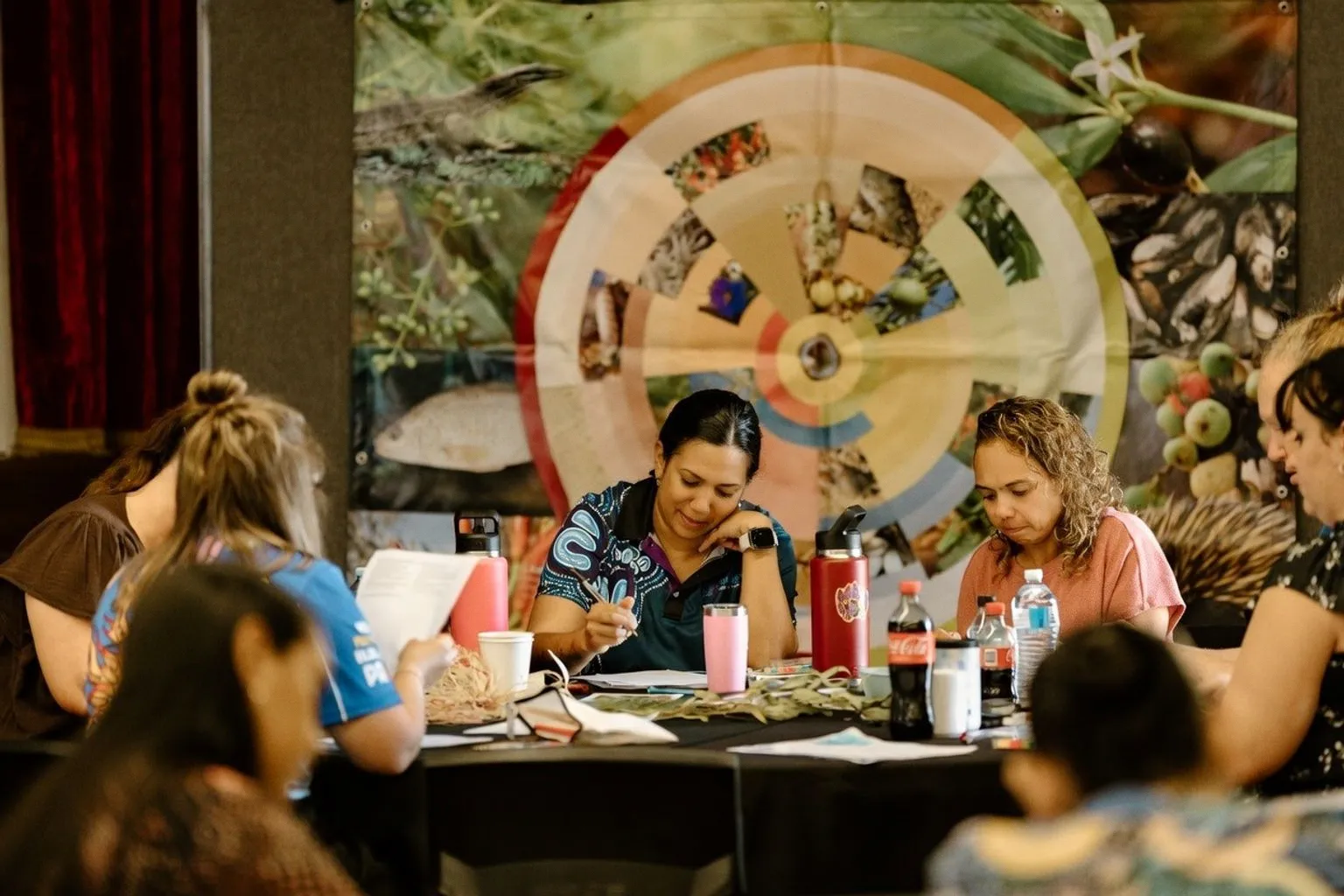
Local schools and Aboriginal community groups met to wire Indigenous Knowledge into the national curriculum through what the agency calls a Two-way science approach, run in partnership with Chevron Australia. For crews hauling supplies into neglected rural school blocks, the underlying mechanics — funding local knowledge holders, putting community curriculum on equal weight with national standards — translate directly to the place-based rebuild work we run. The Pilbara trial is worth a look because it keeps showing up in Indigenous ranger group partnerships and on-Country educator training.
What the Two-way model looks like on the ground
Baynton West Primary School has sat inside Living STEM for three years. Their Aboriginal Education Project Coordinator Harriet Morley told the conference this year is the "exploration" and "big dream stage" — mapping out a sustainable Two-way learning and on-Country program across every year level. Day one of the conference didn't open in a meeting room. It opened on the Yaburara Heritage Trail with Ngarluma and Yindjibarndi knowledge holder Clinton Walker walking educators through bush medicines, rock art, seasonal knowledge and Caring for Country practices — place-based material that can't be pulled off a sign at a cultural site. CSIRO also committed $1.5 million to a new scholarship program at the University of Newcastle, backing Aboriginal and Torres Strait Islander students into STEM and energy transition degrees. Separately, the Mapurlarri Prawn Farm on Bathurst Island in the Northern Territory — presented at the conference by CSIRO Indigenous Project Officer Kelli Schmitt — demonstrates how Traditional Ecological Knowledge combined with Western science can lock in local jobs and strengthen economic independence. The farm runs with Indigenous groups across northern Australia and pulls CSIRO support in as a backbone.
What to bolt onto the route checklist
Three points worth anchoring before the next supply run. First, outside funding routed to local knowledge holders beats outside curriculum parachuted in — that's the structural torque that keeps the model standing past the first grant cycle. Second, on-Country learning sticks harder than classroom-only delivery; the educators who walked the Yaburara trail reported the difference directly, and the program's three-year track at Baynton West backs that up. Third, the scholarship pipeline is the long lever. A school building is a short-term anchor that ages out in a decade; a degree-track scholarship for the same community runs 20 years out and produces the teachers, scientists and ranger coordinators who run the next school program. Watch how the Two-way framing holds up when CSIRO reports outcomes next cycle, and pay attention to whether the Chevron Australia funding structure extends beyond the current program window — that's the load-bearing wall.