How the $22 Million Sudan Education Initiative Aims to Reach 200,000 Displaced Children
The United Nations has launched a $22 million education initiative aimed at over 200,000 Sudanese children displaced by the country's ongoing war.
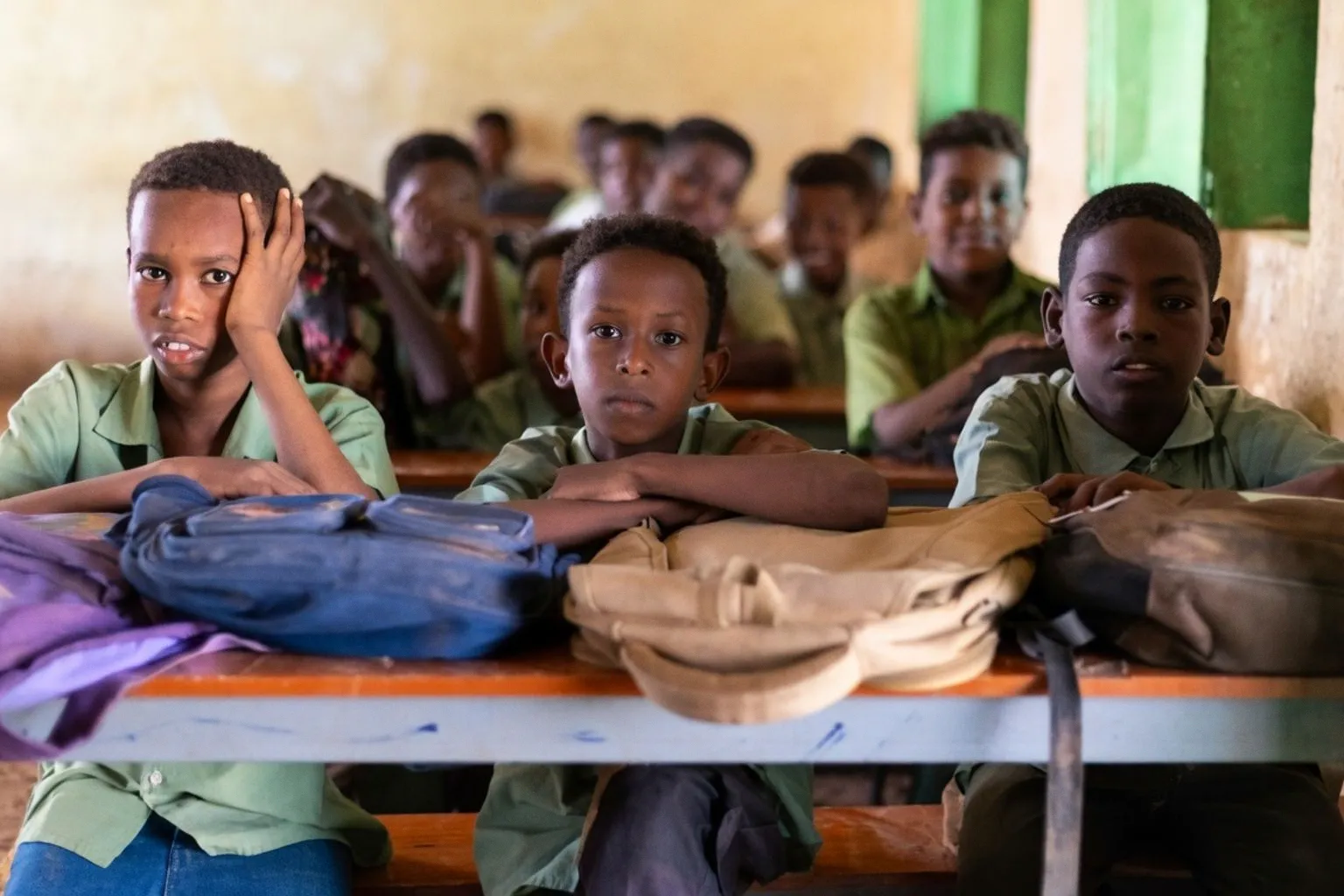
According to the UN, the funding covers essential school supplies, structured learning opportunities, and psychosocial support for students pulled out of normal routines by the conflict. For crews running two-wheeled supply lines to under-resourced classrooms, the scale of this logistics problem is worth stopping and studying.
The manifest
Three buckets sit inside the $22 million: school supplies, learning access, and psychosocial support. The third bucket is the one most grassroots rebuilds underweight on the planning sheet. Counting notebooks and chalk boxes is straightforward. Counting trained counselors is not. Trauma care demands a longer calendar, paid staff, and a different skill stack than hauling tarpaulin or textbooks across a district.
A manifest that lists only pencils is a manifest that misses the actual job.
The route problem
We know what a 200-kilometre supply run looks like when the tarmac holds. A Sudanese delivery corridor means checkpoints, active fighting zones, and population clusters that relocate without warning. The UN has armoured convoys, NGO partners with security clearance, and the diplomatic weight to negotiate access. Our networks have fuel receipts, spare inner tubes, and WhatsApp threads. The principle does not change in either operation: a child who is displaced, hungry, or stranded at a broken-down truck does not sit in a classroom.
What to track
Three numbers will tell us if this programme holds its line. First, how much of the $22 million reaches school grounds rather than overhead and logistics fees. Second, how many of the 200,000 children are inside a classroom by the close of the next term. Third, whether the psychosocial support component gets staffed in the field or stays on paper as a budget line item. If those numbers check out, the approach carries direct lessons for any conflict-adjacent district our biker networks run through. If they do not check out, it confirms what we have learned from a decade on dirt roads: money does not anchor a school. Delivery does.