How Shared Infrastructure Bridges Divides Between Rival Communities
A model school in Kenya is pulling children from rival communities into the same classroom, according to a report carried by the Kenya News Agency.
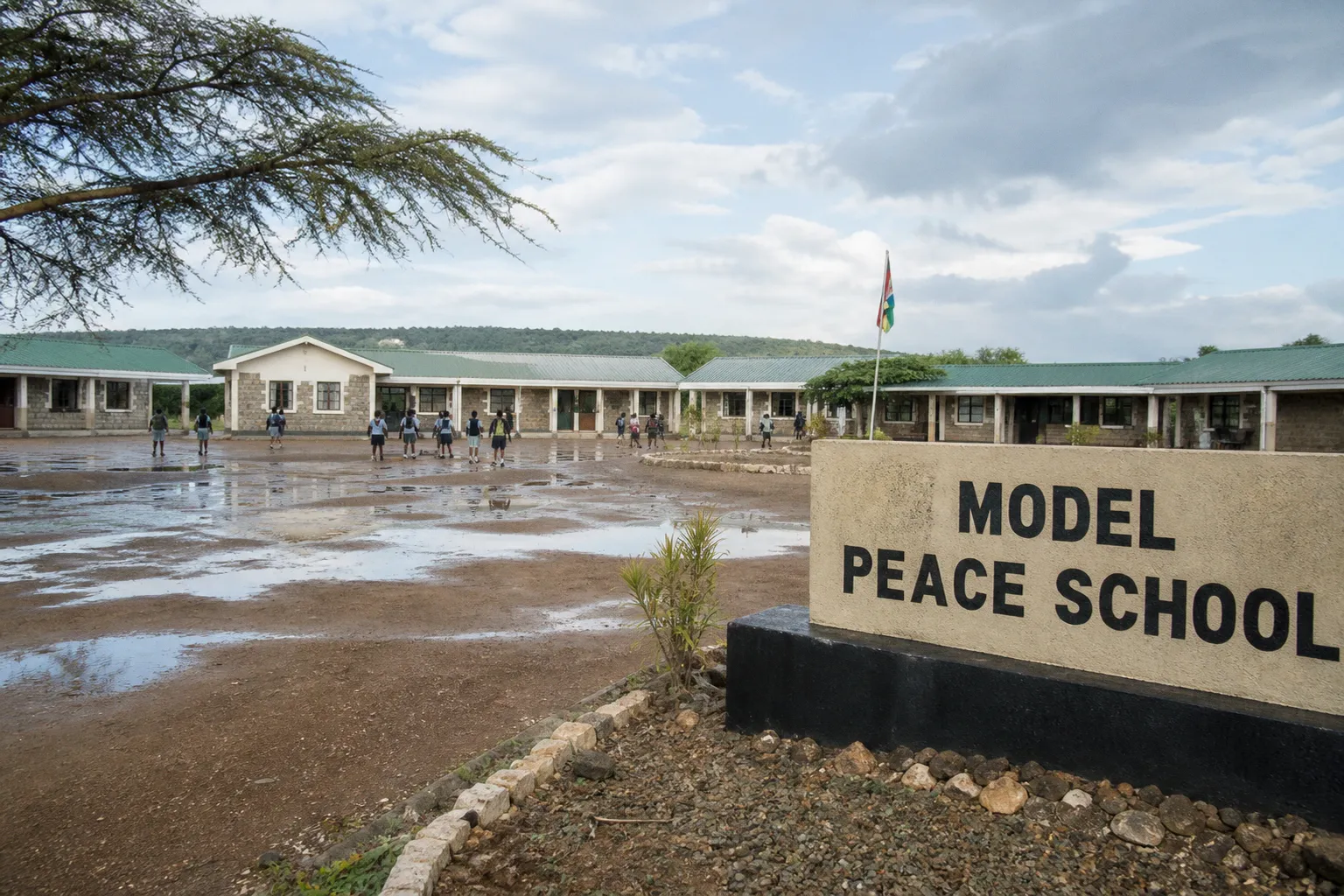
A Model School as a Routing Problem
For our crew — the volunteer bikers and field hands who spend their weekends hauling cement and chalk across rural India — the story reads like a logistics problem solved with a building instead of a bypass.
The Friction Point
What we know from the wire is thin, so we're working the frame, not the fine print. A "model school" in this context is a centralized campus built to absorb students from communities that have spent years drawing lines in the dirt between each other. Same bus, same kitchen, same yard. The architecture of the thing is straightforward: remove the friction point by collapsing it into one structure. Our builders will recognize the logic — it's the same move we make when we reroute a supply convoy through a single staging post instead of running three parallel runs into hostile territory.
The Parallel Drill in Albuquerque
Closer to home for our North American readers, ABQ Ride and the UNM Foundation are running their annual Stuff the Bus school supply drive. Different terrain, identical playbook. The transit authority donates the bus, the foundation anchors the collection points, volunteers move the weight. A supply chain is a supply chain, whether the cargo is textbooks for a Kenyan model school or pencils for an Albuquerque classroom. The mechanism is what matters: identify the gap, lock down the hub, turn the wheels.
What We Watch For
For grassroots networks plotting their next school rebuild, two questions fall out of these reports.
First, is the model school actually absorbing students from both sides, or is it running parallel to existing local schools that still segregate by community? A campus that only rebrands without rerouting the kids is just paint on a wall.
Second, who owns the supply chain once the cameras leave? ABQ Ride's drive has institutional backing — a transit authority and a university foundation. Our Indian runs usually don't. Every volunteer network should be asking which local body signs off on continued resupply before the first brick is laid. Without that anchor, the model school becomes a monument and the bus drive becomes a one-off.
The Crew's Take
We're not romantic about any of this. A school that brings warring kids together is a logistical achievement — nothing more, nothing less. It means someone threaded a route through territory where most operators won't go. That's our kind of work. Show up, torque down the bolts, and make sure the next shipment lands before the road washes out.