How Community Supply Drives Build Scalable Logistics for Social Welfare
Local news feeds are humming with reports of coordinated school supply drives—from the US “Fill the Bus” campaigns to a Canadian community group soliciting donations for those in need.
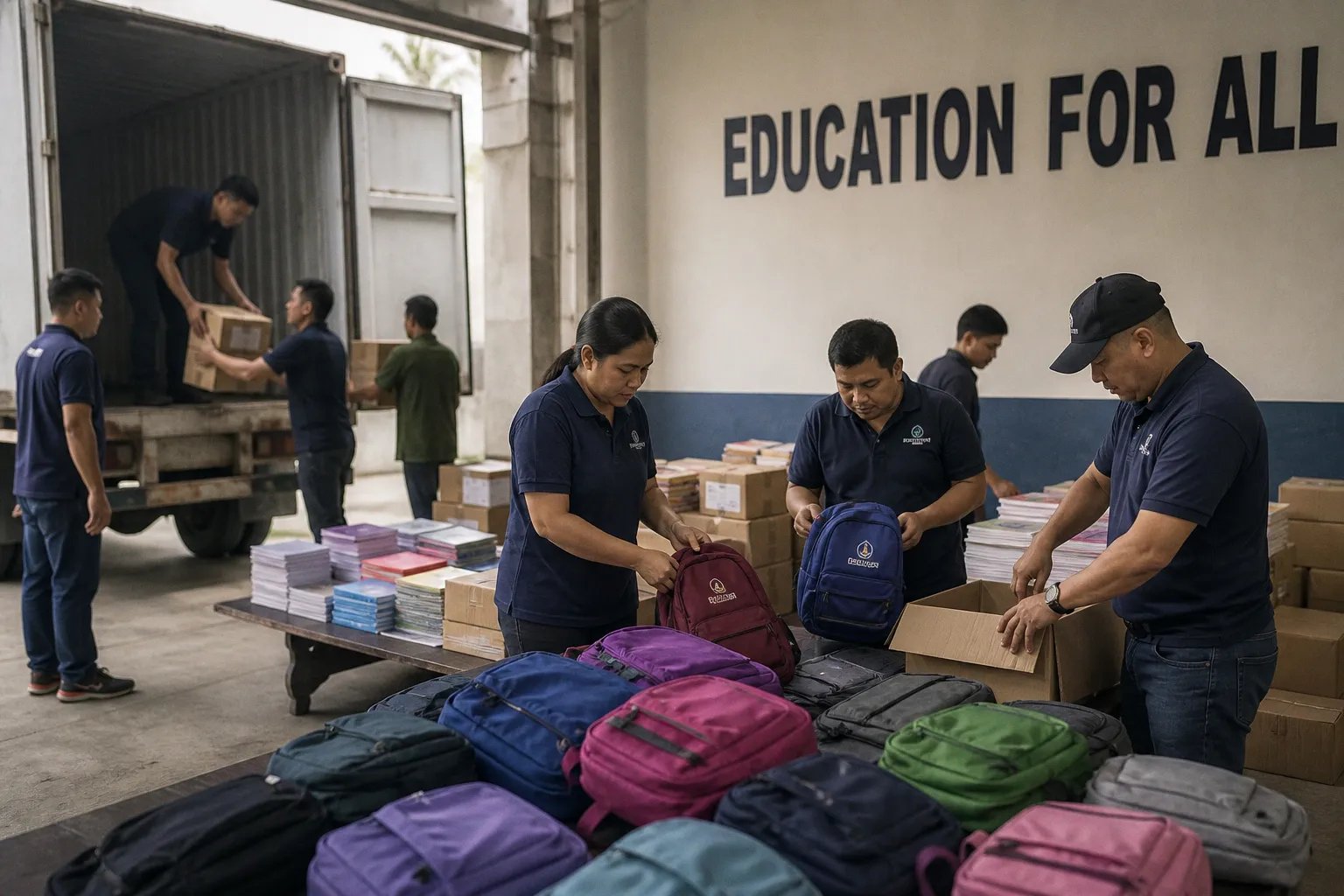
For us on the ground here, these headlines aren’t heartwarming anecdotes; they’re a field report on a logistical pattern we use every day. They confirm the model works: collect, sort, and haul gear directly to the point of need. Our job is to filter that pattern for the specific friction of our terrain.
The Operational Blueprint is Public
What these community collaborations demonstrate is a repeatable supply chain. The “Fill the Bus” drive, as reported by regional outlets, is a bulk collection and redistribution event. The Penticton group’s appeal follows the same logic: identify a specific deficit and organize a targeted haul. This isn’t charity theory; it’s a documented procedure for moving mass from point A to point B. We operate on the same principle, just with different transport and final-mile delivery.
Sourcing and Verification Matter
A drive’s success hinges on two non-negotiable steps: verifying the actual demand and sourcing materials that hold up. Reports mention providing supplies to “hundreds of families” or those “in need.” Before we bolt anything down, we stress-test that claim. Is it backpacks that tear after a week, or sturdy stationery? Are the listed needs accurate, or assumptions? These community efforts, when they function, cut through the guesswork and deliver tested solutions directly.
The Checkpoint Before We Engage
For any rider or chapter looking at a local supply drive, the checklist is blunt.
- Anchor Point: Who is the receiving agency? Get a name and a delivery address in writing.
- Load Manifest: What specific items are needed? “School supplies” is too vague. Demand a list: notebooks, geometry sets, sports gear.
- Torque the Agreement: Confirm the handoff protocol. Do they accept opened bulk packs? What’s the deadline?
- Bypass the Middleman: The most efficient route is direct. Coordinate drop-off to avoid warehouse limbo.
The news from abroad shows the system functions. Our mission is to torque every connection, from donor to classroom, to ensure the load doesn’t shift en route.