Delta State Launches $10 Million AGILE Initiative to Expand Secondary Education for Girls
The Nation Newspaper reports that Delta State has inaugurated a steering committee for the Adolescent Girls Initiative for Learning and Empowerment (AGILE), a World Bank-supported programme backed by US$10 million.
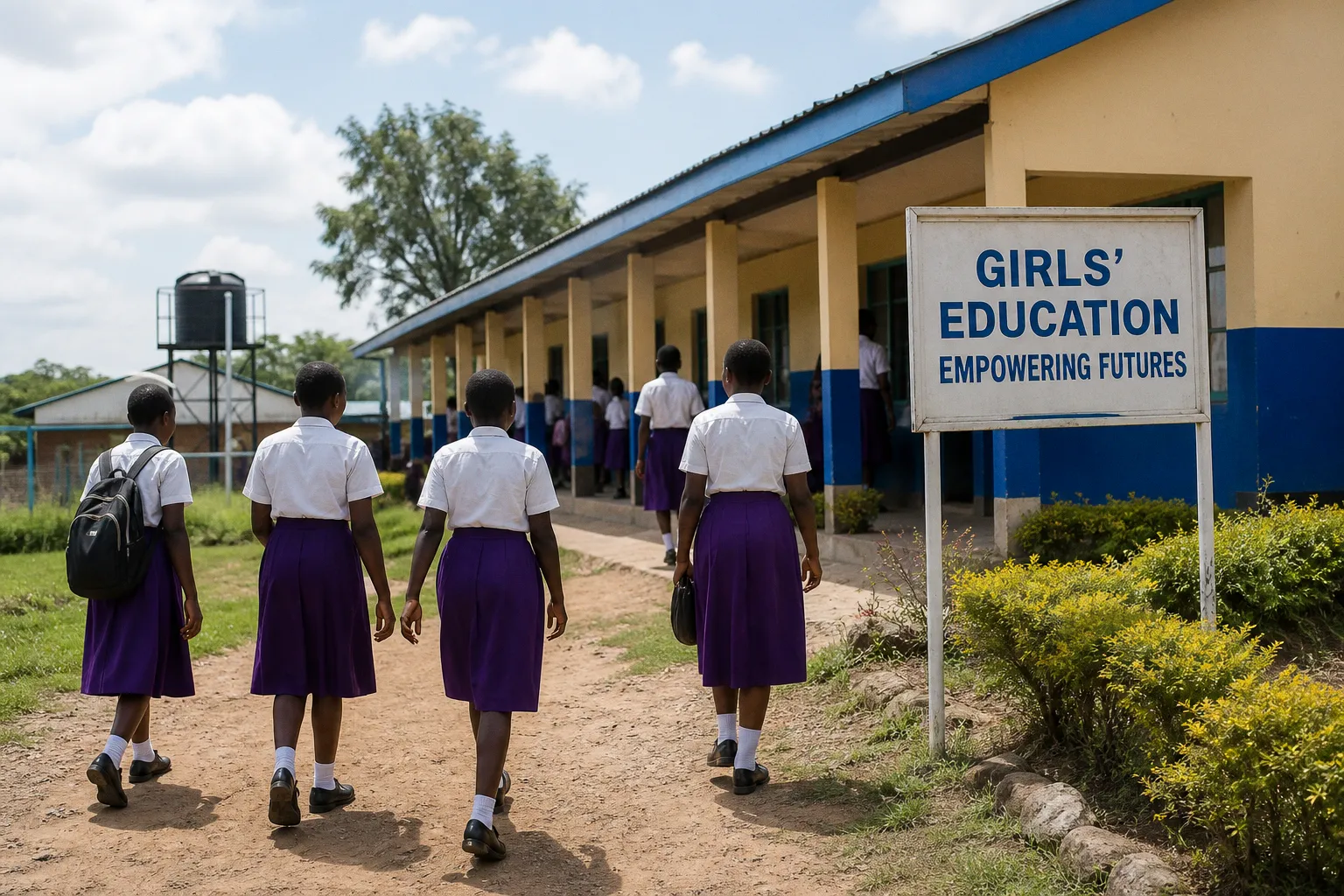
The project is aimed at girls aged 10 to 20 and is intended to improve access, retention, and completion in secondary education. For field groups working around rural schools, the important point is simple: this is a coordination and rehabilitation job now, not a finished classroom delivery.
The first load is coordination
Delta has brought together commissioners, permanent secretaries, government agencies, and representatives from NGOs, civil society organisations, and local education authorities. The committee is chaired by the Commissioner for Secondary Education, with the Commissioner for Humanitarian Affairs, Community Support Services and Girl Child Development as co-chair.
That structure matters because school rehabilitation fails when no one owns the handoff. Classrooms, water points, sanitation, learning materials, household support, and digital access do not sit neatly inside one ministry. The committee is expected to provide direction, coordination, and oversight across the participating bodies.
The State Project Coordinator, Lucky Nkemachor, said the programme is designed to address barriers including poverty, cultural norms, inadequate infrastructure, and safety concerns. The stated support package includes improved school facilities, life-skills training, financial assistance for vulnerable households, and digital learning opportunities.
We should read that as a broad operating plan, not proof that every item is already on the ground.
What is actually moving
Delta is described as a newly onboarded limited-funding state. Its initial focus will be the rehabilitation of existing school infrastructure. The reported work areas are classrooms, water, sanitation and hygiene facilities, and learning materials.
The World Bank facility is reported at US$10 million, with an initial US$1 million already accessed for commencement activities. No delivery schedule, school-by-school allocation, contractor list, or completed-site count is provided in the available report. That leaves the practical verification work ahead.
For riders, builders, and local education groups, the route is clear. Do not treat the funding headline as a site inspection. Start with the existing school condition. Check whether classrooms are usable, whether WASH facilities are functional, and whether learning materials reach the schools named in implementation records. Separate repairs from new construction. Record what is anchored, what is damaged, and what still needs hauling.
The programme’s stated target is not only enrolment. It also covers retention and completion. That means a repaired classroom is one part of the route. Household financial pressure, safety concerns, and social barriers are also listed as obstacles. Any field assessment that counts roofs but ignores whether girls can remain in school will miss the failure point.
What to track before committing support
The steering committee has pledged transparency, accountability, and effective coordination. Those are commitments, not results. We should track the evidence as it appears.
For local partners and volunteer networks, the useful questions are narrow:
- Which schools are included in the first rehabilitation phase?
- What work is assigned to classrooms, WASH facilities, and learning materials?
- How is the reported initial US$1 million being allocated?
- Which agency owns inspection and sign-off?
- What support is reaching vulnerable households?
- Are retention and completion being measured alongside enrolment?
Until those answers are available, bypass broad claims and work from verified site conditions. Photograph the starting point, log materials, record defects, and keep the school name attached to every delivery. The World Bank facility gives Delta a funding frame. The dirt-road test is whether girls can enter, stay, and finish secondary school.