CJP Launches Nationwide Campaign to Revitalize Rural School Infrastructure
According to Rediff, the Cockroach Janta Party (CJP) will launch a nationwide campaign on August 15 focused on poor rural government-school infrastructure.
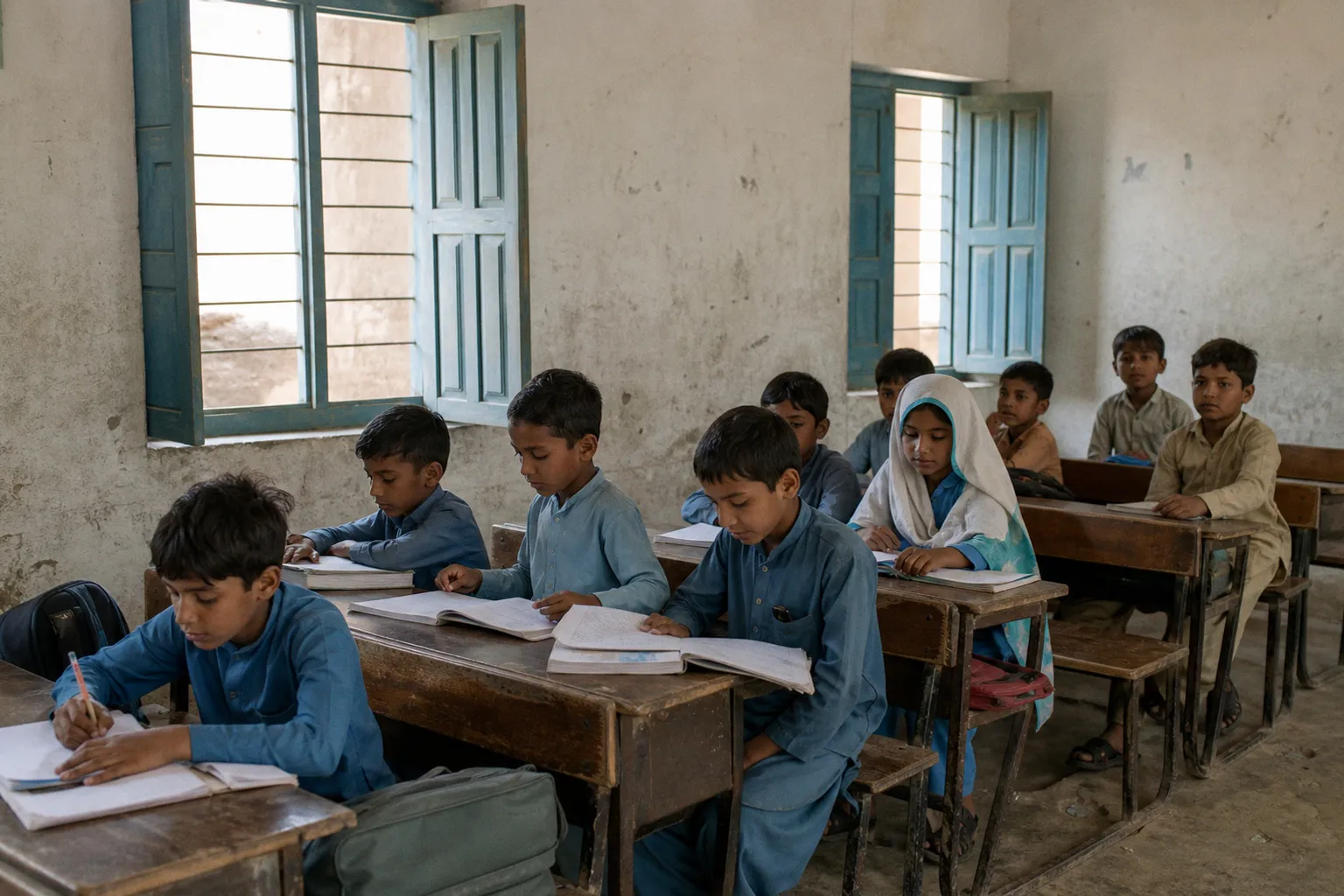
The move puts neglected village schools on the route map for citizens, parents and local leaders, not just education officials. For riders and volunteer crews, the useful question is not whether the campaign sounds large. It is whether a local school has a clear need, a reachable decision-maker and a repair plan that can survive after the convoy leaves.
The campaign puts schools on the inspection list
The CJP’s stated focus is rural government schools and the condition of their basic infrastructure. The campaign is also described as a call for village-level action, with local leaders expected to take responsibility for improving schools in their areas.
That gives volunteers a starting point, but not a work order. A headline about a nationwide campaign does not confirm which districts are active, which schools have been identified, or where outside crews are wanted. We should not haul paint, tools or building material into a village on the strength of a broad announcement alone.
Before committing a route, verify four things:
- the exact school and village;
- the local contact responsible for access;
- the work that is actually requested;
- who will maintain the repair after completion.
If those points are missing, the job is still reconnaissance. Treat it that way.
What field crews should verify first
The available reporting frames the campaign around rural education infrastructure, but it does not provide a confirmed project list or repair schedule. That leaves the first phase on the ground: inspect, record and anchor the request to a local authority.
We should separate visible damage from a complete repair requirement. A broken door may need a hinge, a frame or a full replacement. A leaking roof may require a structural assessment before anyone climbs up with a sheet of metal. A school that looks ready for a quick volunteer fix may still have access, safety or approval problems.
Use a simple site record. Note the school name, village, approach road, contact person, requested work and material needed. Photograph the condition before any intervention, but confirm that the school and local representatives permit recording. Keep the file with the route lead. That prevents three crews from hauling the same supplies while another school remains untouched.
The campaign’s value will depend on whether local reporting turns into controlled work. Public attention can identify failures. It cannot, by itself, torque a loose gate, anchor a water tank or make a building safe.
Do not confuse visibility with completion
CJP’s August 15 launch gives the issue a national frame. The practical test comes later, at village level. The sources do not establish how the campaign will select schools, track repairs or measure completion. Those gaps matter for anyone bringing money, motorcycles or labour into the job.
We should wait for confirmed local instructions before promising a build. Ask who owns the work, who supplies materials and who signs off the result. If the answer is unclear, bypass the publicity and keep gathering facts.
The route is simple: verify the school, inspect the failure, secure local authority, price the materials, then haul. No confirmed site, no load. No safety clearance, no climb. No maintenance owner, no handover.