CFAs: Indian Residential School Community Engagement Fund (Canada)
Per fundsforNGOs, applications are now being accepted for the Indian Residential School Community Engagement Fund, a grant pool backing Indigenous-led and survivor-centered community support…
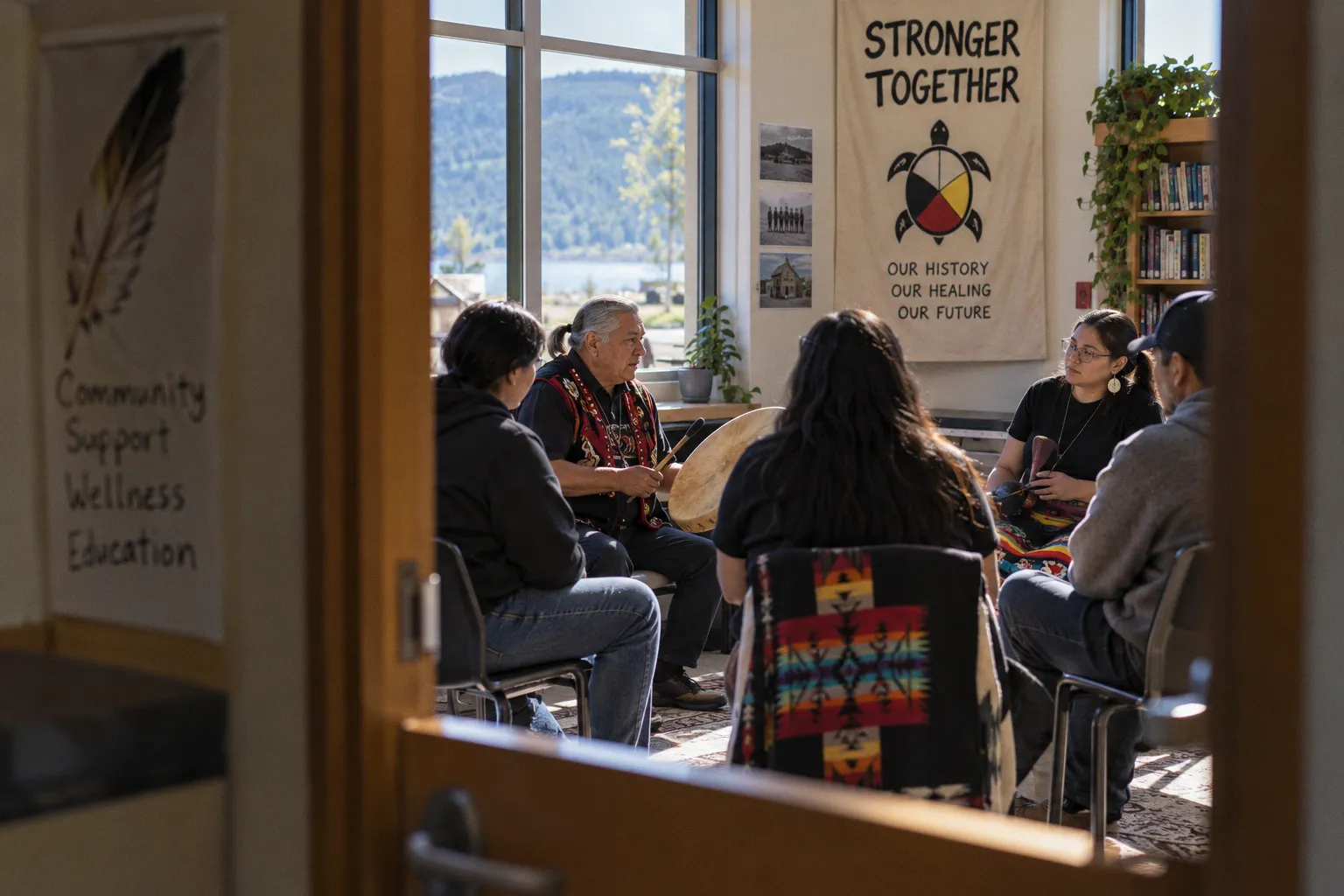
A new funding call has opened in Canada, and while it does not touch Indian roads directly, the mechanism mirrors the kind of grassroots, community-driven financing that powers our own school runs. Per fundsforNGOs, applications are now being accepted for the Indian Residential School Community Engagement Fund, a grant pool backing Indigenous-led and survivor-centered community support, wellness, and educational initiatives. The relevance for us is structural: this is how state-adjacent money moves when communities hold the steering.
What the fund actually backs
The fund targets community support, wellness, and educational initiatives that are Indigenous-led and survivor-centered. That phrasing matters: the people most directly affected by the residential school system sit at the design table, not just the receiving end. Per the fundsforNGOs listing, that is the operating principle. We do not yet have the full call document in front of us. Amounts, deadlines, eligible applicant types, grant ceilings, and reporting cadence are not in the snippet we pulled. Treat the scope statement as the confirmed piece. Treat the paperwork mechanics as unverified until you read the call yourself.
Why it earns a line on our atlas
Our bread and butter is rural Indian classrooms hauled back into service by two-wheeled volunteers. Canada is a different grid — federal, provincial, layered with a long historical shadow of residential schools we will not romanticize. What we are watching is the funding architecture: survivor-centered, community-anchored grants filtered through an intermediary that aggregates calls. The same machinery — open calls, third-party aggregators, tribal or community governance on the applicant side — is what determines whether a village school project gets fuel money or stalls out. File the pattern, not the geography. If a model like this ever lands in India under a tribal welfare or education ministry, the playbook is worth having already mapped.